
Vandaag of morgen in huis

Kwaliteit gegarandeerd

Welkomstaanbiedingen ontgrendelen: GRATIS bezorging | Tot 80% korting | Gratis 30 dagen JoyPlus-proefperiode
Download de app
A bag of cat food featuring terms such as “grain-free”, “natural” or “high protein” can seem like an obvious choice. Yet one eye-catching claim tells you very little about how suitable it is for everyday use. The right choice depends on whether it is complete cat food or a supplementary treat, as well as your cat’s age and condition, the ingredients and how you intend to serve the food.
Cat food with chicken, fish, beef or lamb can be appealing to fussy eaters. However, always check the legal designation on the packaging. “Complete pet food” is intended as a cat’s daily main food. “Complementary pet food” is not suitable as the only meal.
INABA Churu cat treats and INABA Bisque, for example, are complementary products. They can be given as a reward, topper or extra treat, but they do not replace complete cat food.
Grain-free cat food contains no grains, but that does not automatically mean every cat will tolerate it well. Other ingredients, such as certain protein sources, legumes or fats, can also play a role. So look at the full ingredients list and change your cat’s diet gradually.
If stomach or intestinal problems persist, speaking to a vet is wiser than repeatedly buying a different product.
A multipack or bag of several kilos of cat food can be convenient, but only if your cat actually eats it. With wet food, pay attention to refrigeration and the recommended period of use after opening. Dry food should be stored in a cool, dry place in a tightly sealed container.
A small pack is often more practical when trying a new flavour. If your cat likes the food, you can then compare the cost per meal of larger packs.
Look on the label for the designation complete nutrition for cats or complete pet food. Products for adult cats should also clearly state which life stage they are intended for.
According to the product information, INABA Churu Cat Tuna contains 91% moisture and approximately 6 calories per treat. This makes it suitable as a supplementary extra, but the packaging clearly states that it is not a complete meal.
Do not only look at the front of the packaging. Compare the composition, protein percentage, fat content, moisture content and recommended daily amount.
One example is Farmina N&D Quinoa Cat Digestion Lamb. The stated analytical constituents include 36% crude protein, 20% crude fat and 10% moisture. The ingredients list includes fresh and dried lamb, herring meal, quinoa, peas, fish oil, vitamins and minerals. The digestive support designation is a product claim; according to the brand’s own research, it should not be treated as a medical guarantee.
For cat food intended for sensitive stomachs, consistency is particularly important: choose a recipe with a clear, straightforward composition and make the switch over approximately five to seven days, as recommended in the product information.
Cat food for adult cats is not the same as food for kittens or senior cats. Energy requirements can also change after spaying or neutering. According to the product specifications, Farmina N&D Prime Complete Cat Food for Neutered Cats contains 38% crude protein, 16% crude fat and 200 mg of L-carnitine per kilogram. The daily amount should be adjusted according to your cat’s weight and activity level.
Use the feeding guide on the packaging as a starting point. Then check your cat’s body condition regularly. A vet can help with overweight, underweight or specific nutritional problems.
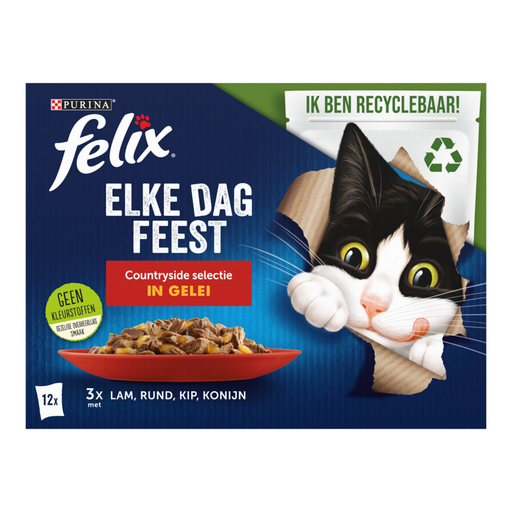
Why it suits this profile: A multipack with lamb, beef and chicken varieties is practical for households that want to try several flavours without buying lots of individual packs.
The product information states that this is complete, balanced nutrition. However, check the portion guide and store opened packs according to the label.
12 portions of 85 g, several flavours and a moist meal for adult cats.
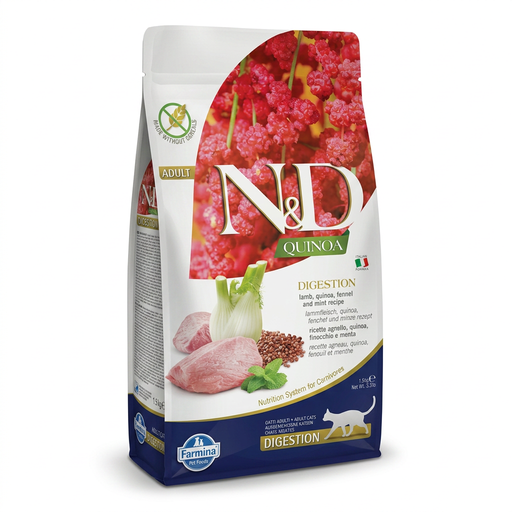
Why it suits this profile: Complete dry food with lamb, herring and quinoa for adult cats whose owners want to compare analytical values and ingredients carefully.
The composition and analytical constituents are clearly stated. “Grain-free” and the digestive claim remain product features, not a guarantee for every cat.
36% crude protein, 20% crude fat, quinoa and a portion guide based on body weight.
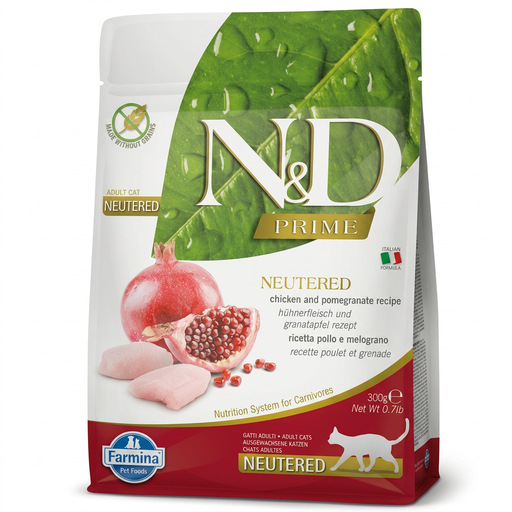
Why it suits this profile: Designed for neutered cats and suitable for owners who want to adjust portions precisely according to weight and activity.
The packaging includes a separate portion guide for neutered cats. An adapted formula does not automatically prevent overfeeding; weighing portions remains important.
38% crude protein, 16% crude fat, chicken as the main ingredient and a 300 g pack for trying it first.
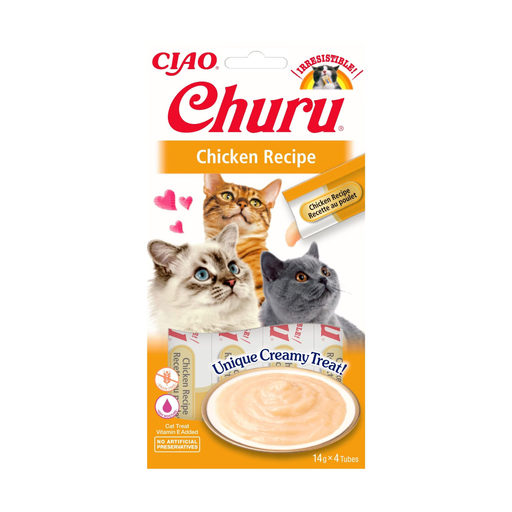
Why it suits this profile: A soft treat for rewards or use as a topper, without having to open a large quantity of wet food.
The product information clearly states that this is a complementary snack. Give no more than the recommended amount and keep main food as the basis of your cat’s diet.
90.5% moisture, a soft texture and a guideline of 1–2 sticks per day for adult cats.
We have put together a complete, up-to-date list of products that fully meet these strict selection criteria and the applicable European safety regulations.
This depends on the product, your cat’s weight, activity level and preferences. Ideally, divide the daily amount between at least two meals. Follow the feeding guide on the packaging and adjust the portion if your cat’s weight changes.
Dry food is often easier to store and portion by the gram. Wet food contains more moisture, but requires more packaging and extra care after opening. Do not compare only the price per bag or tray; also consider the recommended daily amount.
Dry food remains in the best condition when stored in a cool, dry place in a tightly sealed container. Opened wet food should be kept in the fridge. The exact period varies by brand; many products state 24 to 48 hours on the label. Always check the packaging and ideally serve wet food at room temperature.
