
Vandaag of morgen in huis

Kwaliteit gegarandeerd

Welkomstaanbiedingen ontgrendelen: GRATIS bezorging | Tot 80% korting | Gratis 30 dagen JoyPlus-proefperiode
Download de app
A bag of cat food with an eye-catching flavour name or promising claim can quickly seem like the obvious choice. However, an image of chicken, fish or “natural ingredients” does not tell you enough about whether it is suitable for your cat. The right choice mainly depends on age, lifestyle, nutritional value, portion size and whether the food is complete or complementary.
In this guide, I’m setting out the key points to check as a Joybuy Product Recommendation Officer. This will help you compare wet cat food, dry cat food, treats and multipacks based on verifiable product information.
“Chicken” or “salmon” on the front does not automatically mean that the product consists mainly of that ingredient. Always check the composition. For example, Purina One Junior lists chicken at 17%, alongside dried poultry proteins and cereals. Some fish varieties specify the percentage of a particular fish species in each recipe, such as 4% cod, tuna or salmon.
Ingredients are generally listed in descending order by weight. So check the first three to five ingredients rather than relying solely on the product name.
Not every product that looks like cat food is complete cat food. Liquid treats, soups and sticks are often complementary food. Felix Deli Moments, for example, is intended as a treat for adult and senior cats. INABA Churu Cat Tuna also states that it is complementary food and does not replace a complete meal.
Give these products according to the packaging instructions and adjust the main meal if necessary. A treat can be useful for bonding, but it should not automatically replace your cat’s daily food.
Kitten food, adult cat food and senior cat food have different nutritional purposes. A kitten is still growing rapidly, while an older cat may need different portions or a softer texture. Indoor and neutered cats may also benefit from a product tailored to their lifestyle.
Also check that the age indication on the packaging matches your cat. “Adult” does not automatically mean suitable for kittens or senior cats.
Look for the designation complete pet food or complementary pet food. Complete food is intended to be the daily main food for the stated life stage. Complementary products, such as cat soups and cat biscuits and treats, are intended to be given alongside a complete meal.
A product with attractive packaging may therefore still be unsuitable as your cat’s only meal. If you are unsure, follow the product packaging and feeding guidelines.
Kitten food is relevant for kittens from weaning up to 12 months. According to the product information, Purina One Junior Chicken & Grain Formula is intended for kittens from weaning to 12 months, as well as pregnant or nursing cats. It contains DHA, among other ingredients; the stated effect is a claim from Purina’s product description and should not be interpreted as a medical guarantee.
For adult cats from around one year old, there are varieties with chicken, salmon or fish. Indoor cats may have different energy requirements from highly active outdoor cats. For neutered cats, it is advisable to measure portions particularly carefully. According to the product information, Farmina N&D Prime is specifically intended for neutered cats and contains 38% protein, 16% fat and 9% moisture.
A multipack is practical, but only good value if your cat will eat the flavours included. A large pack may be less suitable for a fussy cat or a one-cat household. With wet cat food, follow the storage instructions after opening. Unused portions often need to be refrigerated and used within the stated period.
Dry food is easier to store, but measure out the daily amount. The feeding guide on the packaging is a starting point; weight, activity and body condition determine whether adjustments are needed. Always provide fresh drinking water with dry food.
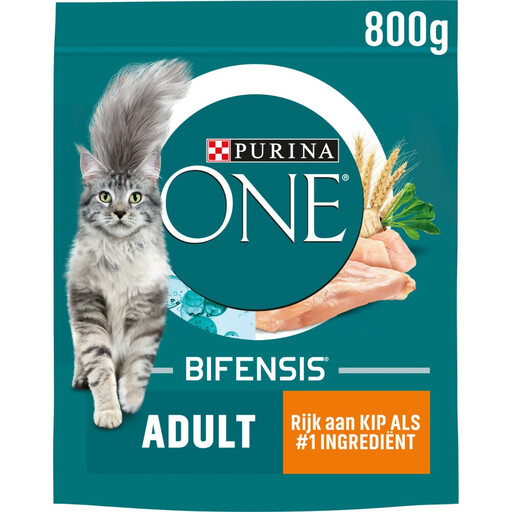
Why it suits this profile: An 800-gram bag is a manageable choice for anyone buying dry food for adult cats for the first time and wanting to measure out the daily portion themselves.
The product information lists the target group, composition and feeding guidelines. This allows you to assess the choice based on age and portion size rather than just the flavour name.
For adult cats from one year old; contains 34% protein and 14% fat according to the label.
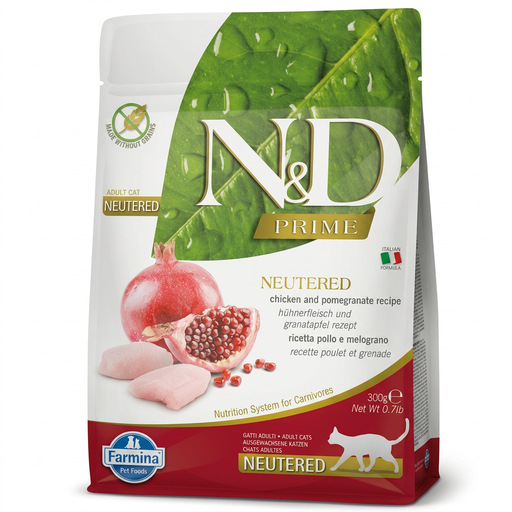
Why it suits this profile: Suitable for anyone specifically looking for cat food for neutered cats and wanting to examine the composition closely.
The target group and feeding guidelines are clearly stated. The 300-gram pack lets you try it first without immediately buying a large supply.
Grain-free composition according to the product description; 38% protein and 16% fat according to the stated analysis.

Why it suits this profile: Designed for kittens from weaning to 12 months, so the food choice matches a clearly defined growth stage.
The age range is stated in the product information. This helps prevent adult cat food or a treat from accidentally being used as kitten food.
Complete food for kittens according to the label; 800-gram pack with chicken as the stated animal ingredient.
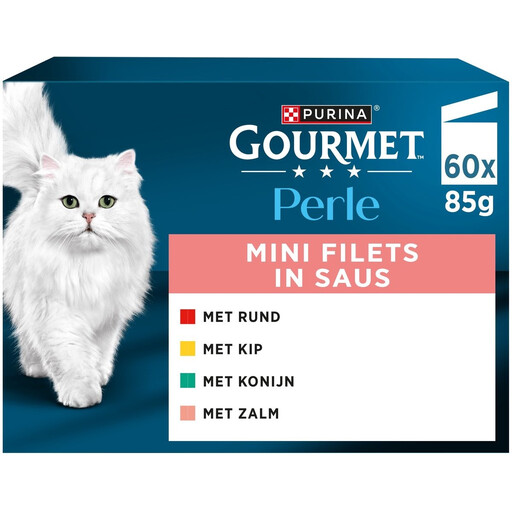
Why it suits this profile: A large cat food multipack with four stated varieties for households that regularly serve wet food.
The packaging states that it contains 60 portions of 85 grams, while the product information describes it as complete food for adult cats. However, check the shelf life and storage instructions.
Four flavours; mini fillets in gravy; 80% moisture according to the stated analysis.
We’ve put together a complete, up-to-date list of products that fully meet these strict selection criteria and the applicable European safety regulations.
This depends on age, weight, activity level and the type of food. Start by following the feeding guide on the packaging and, preferably, divide the daily amount across several meals. Kittens generally need a different feeding routine from adult cats. If you have concerns about your cat’s weight, appetite or a sudden change in eating habits, it is advisable to consult a vet.
Dry food often lasts longer after opening and is easy to measure out. Wet food generally contains a high proportion of moisture and comes in portions, tins or pouches. The daily cost depends on the energy content, packaging and recommended amount. So compare the price per 100 grams as well as the daily feeding guide, rather than looking only at the price of the pack.
Store opened wet food according to the label, usually covered in the fridge. Some products recommend using it within 24 or 48 hours; always follow the product packaging. Dry food remains in the best condition when you seal the bag properly and store it somewhere cool and dry. Discard food if it has an unusual smell, the packaging is damaged or the use-by date has passed.
