
Vandaag of morgen in huis

Kwaliteit gegarandeerd

Welkomstaanbiedingen ontgrendelen: GRATIS bezorging | Tot 80% korting | Gratis 30 dagen JoyPlus-proefperiode
Download de app
A bag of dry food or a multipack of wet food may seem like an easy choice. But products can vary considerably in their ingredients, moisture content, energy content, portion size and intended use. Particularly with cat food for adult or neutered cats, attractive packaging can promise more than the ingredients list supports.
Watch out for three common pitfalls:
For everyday feeding, complete and balanced cat food is important. The label should state which species and life stage the product is intended for, such as adult or neutered cats. A treat, broth or complementary product isn’t a substitute for a complete meal.
According to the product information, INABA Broth Chicken with Salmon Recipe contains 93% moisture and is intended as a hydrating treat. So this product shouldn’t automatically replace your cat’s daily main meal.
Dry food contains little moisture, so its protein and fat percentages are more concentrated. Wet food contains more water, but a lower protein percentage on the label doesn’t automatically mean the product has less nutritional value.
For example:
These figures are only easy to compare within the same product category. Also check the recommended portion and energy content, especially if your cat is neutered or not very active.
For a neutered cat, cat food for neutered cats can be a practical choice, as these recipes are specifically formulated for this group. Farmina N&D Prime Neutered Chicken, for example, lists 38% crude protein, 16% fat and a grain-free recipe. Farmina N&D Ocean Neutered Cat Herring lists 46% protein and 11% fat.
For a cat with sensitivities, a recipe with a clearly stated protein source may make it easier to see what’s in the food. Ziwi PEAK Venison’s product description presents venison as its only animal protein source and states that it contains 92% venison meat, organs and bone. This is a product specification, not a guarantee that every cat will tolerate it well. Introduce new food gradually and always check the label for potential allergens.
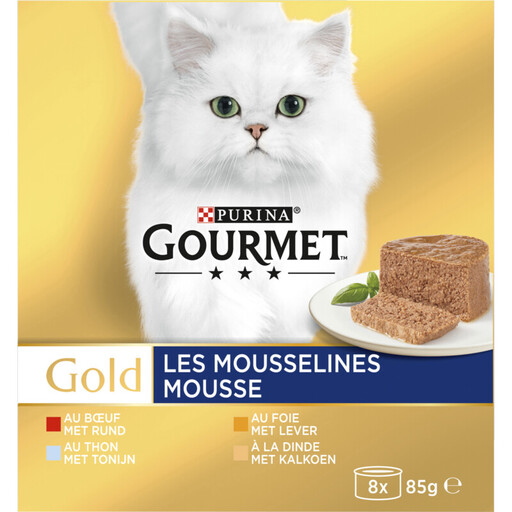
Why it suits this profile: A multipack with 8 portions of 85 grams makes it easy to try different flavours without buying a large supply of just one variety. According to the product information, this is complete wet food for adult cats.
The portion size and varieties are clearly stated. Do check the ingredients and nutritional values for each flavour.
8 cans of 85 grams; four listed flavours; 10,5% protein and 77,5% moisture according to the product specification.
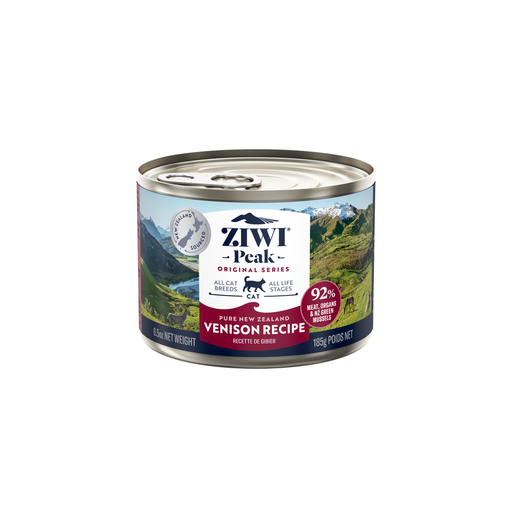
Why it suits this profile: The product description lists a recipe with venison as its sole animal protein source, with no grains, potatoes or tapioca starch. This may suit shoppers looking for a short, clearly defined ingredients list.
The claim about 92% venison, organs and bone can be checked against the product information provided. It’s still important to check the current packaging.
185 grams per can; grain-free recipe; 10% protein, 4% fat and 78% moisture according to the product specification.
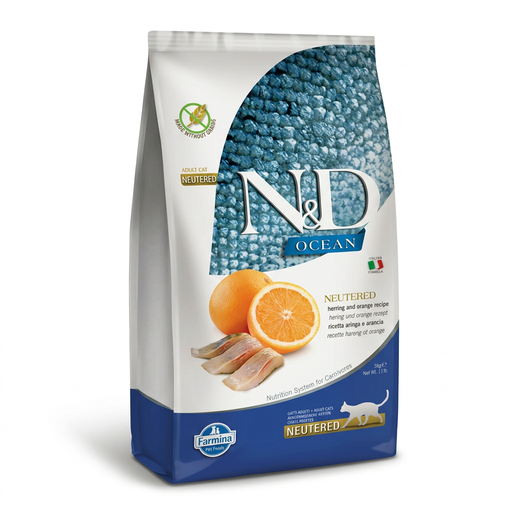
Why it suits this profile: According to the product information, this dry food is intended for neutered cats and includes herring as a listed protein source. The 5 kg pack can be practical for everyday use in a household with a regular feeding routine.
The intended audience, grain-free recipe and analytical values are listed. Weigh out portions; having a large bag doesn’t make overfeeding any less likely.
46% crude protein; 11% fat; 5 kg pack; grain-free according to the product specification provided.
We’ve put together a complete, up-to-date list of products that meet these strict selection criteria and the applicable European safety regulations.
It depends on your cat’s preferences, the recipe and your day-to-day circumstances. Wet food usually contains more moisture, while dry food is easy to portion and store. Whichever you choose, check that it’s complete food.
You could choose a recipe that specifically states it’s intended for neutered cats. Also consider portion size and fat content. Even with specialist cat food, it’s important to weigh out portions, as each cat’s energy needs differ.
Not for every cat. Grain-free food may be a preference if you deliberately want to avoid grains, but the full ingredients list and nutritional values matter more than the claim on the front of the pack. If dietary problems persist, it’s best to speak to a vet.
