
Vandaag of morgen in huis

Kwaliteit gegarandeerd

Welkomstaanbiedingen ontgrendelen: GRATIS bezorging | Tot 80% korting | Gratis 30 dagen JoyPlus-proefperiode
Download de app
Choosing a bag or multipack of cat food can seem straightforward. But products vary considerably in their ingredients, nutritional value, life-stage suitability and intended use. An appealing flavour name, for example, tells you little about how much of the named ingredient the food contains. Wet food is not automatically complete food, either, and grain-free cat food is not essential for every cat.
Use these practical checks to compare cat food using the information on the label. They’ll help you make a more informed choice between wet cat food, dry cat food, kitten food and food for adult, neutered or indoor cats.
The packaging may say “with chicken”, “with tuna” or “with salmon”. Check how much of that ingredient is actually in the recipe. Several products in the range state the percentage of the named ingredient, for example 4%. So the flavour name doesn’t automatically mean it’s the main ingredient.
Check:
A soup or treat can be suitable as a supplement, but it shouldn’t replace a daily meal if the label says “complementary” or “complementary pet food”. For example, according to its product information, Felix Soup Fish is a complementary food for adult cats. The recommended amount is one pouch per 4 kg of body weight per day, alongside complete food.
For daily meals, choose a product clearly labelled as complete food. This includes Felix Every Day Party Mix Selection, Purina One Junior and several of the Whiskas, Gourmet and Farmina varieties mentioned here.
A multipack of cat food may seem like good value, but compare the price per kilogram or per meal. For example, a box of 44 pouches weighing 85 grams each contains 3.74 kg of wet food. A smaller bag of dry food may cost more per kilogram, but its lower moisture content means you’ll need to serve a different portion size.
Also consider the use-by date, storage instructions and how much your cat needs each day.
Kitten food is designed for the growth stage and has a different nutritional profile from adult cat food. According to its label, Purina One Junior Kitten Food Chicken & Grain Formula is suitable from weaning up to 12 months. Whiskas Junior wet food is also labelled for kittens and gives portion guidelines by age.
For an adult cat, you could consider:
There are also specific varieties for neutered cats. Farmina N&D Prime for neutered cats lists a protein content of 38% and a fat content of 16%, based on the stated analytical constituents. Always follow the portion guide on the packaging and adjust the amount to your cat’s weight and activity level.
This is one of the most useful terms to look for on a label. Complete cat food is intended to be fed daily when you follow the recommended portion. Complementary food, such as soup, should be served alongside a complete meal.
Also check:
Food with a high moisture content can be a handy choice if your cat enjoys wet food. Dry food is easy to portion and store, but fresh drinking water should always be available.
Grain-free cat food isn’t automatically necessary. The right choice depends on the ingredients, your cat’s preferences and any advice from a vet. Farmina N&D Prime is marketed as a grain-free formula and contains chicken, herring, egg, peas and chickpeas, among other ingredients. Purina One Junior, on the other hand, contains wholegrain wheat and maize.
So compare the full label rather than just the front of the pack. For wet food, moisture, protein, fat and ash are important details. For dry food, focus on the portion for your cat’s body weight, the protein and fat content, and how to store the food.
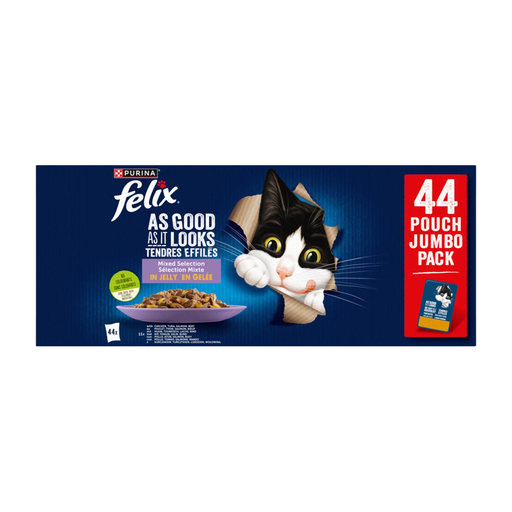
Why it suits this profile: The pack contains 44 portion pouches of 85 grams in four listed flavours, making it easy to serve and add variety.
The product information says this is complete food for adult cats. Check the latest ingredients list and portion guide on the packaging.
44 x 85 grams, individual pouches, with salmon, beef, chicken and tuna for variety.
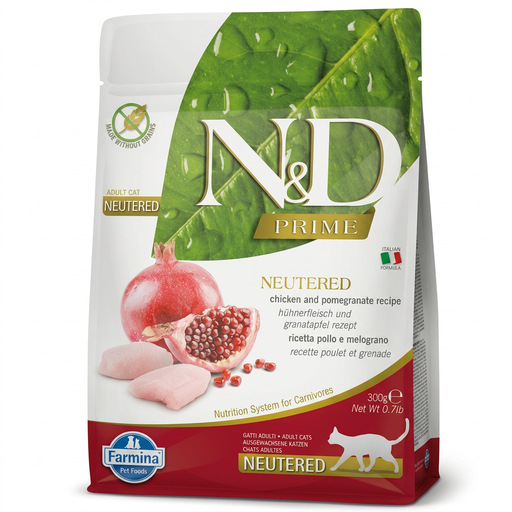
Why it suits this profile: This variety is specifically labelled for neutered cats and provides clear analytical values to compare.
The packaging lists the intended cats, ingredients and daily amounts by body weight. That means you don’t have to rely on marketing terms alone.
Grain-free formula, 38% crude protein, 16% crude fat and a 300-gram pack.
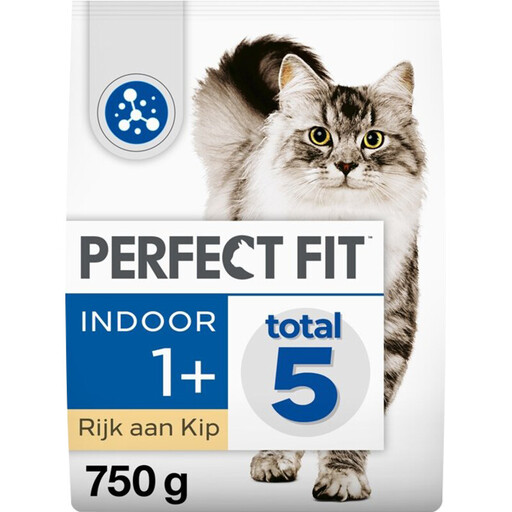
Why it suits this profile: This variety is designed for adult indoor cats and is practical for everyday portioning at home.
The product variety is clearly labelled “Indoor Adult”. Check the portion size, though, as indoor cats may be less active than cats that go outside.
750 grams of dry food, suitable for adult cats and easy to keep in a sealed container.

Why it suits this profile: According to the product information, this variety is formulated for kittens from weaning up to 12 months.
The age range and intended use are clearly stated. So this isn’t simply an adult formula with a kitten on the packaging.
Complete kitten food, 800 grams of dry food, with chicken as a named ingredient and wholegrains.
We’ve put together a complete, up-to-date list of products that meet these strict selection criteria and the applicable European safety regulations.
Wet food usually contains a lot of moisture and is often sold in pouches or tins. Dry food keeps for longer once opened and is easy to weigh out. Neither type is automatically right for every cat. Check that the product is complete, suitable for your cat’s life stage and appropriate for their daily energy needs.
It depends on your cat’s weight, age and activity level, as well as the type of food. For example, one Felix wet food product recommends a maximum of three pouches per day for an adult cat weighing around 4 kg, while other varieties give different amounts. Always use the feeding guide on the packaging and adjust the portion if your cat’s weight changes.
Gradually mix the new food into your cat’s usual food over around five to seven days. Start with a small amount of the new food and increase it step by step. If your cat has noticeable problems eating or with digestion, stop and ask a vet for advice. Whichever food you choose, always provide fresh drinking water.
