
Vandaag of morgen in huis

Kwaliteit gegarandeerd

Welkomstaanbiedingen ontgrendelen: GRATIS bezorging | Tot 80% korting | Gratis 30 dagen JoyPlus-proefperiode
Download de app
Choosing cat food might seem straightforward, but packaging often uses terms such as “premium”, “natural” and “grain-free” without making it clear what they actually offer your cat. A large multipack might also seem like good value, but your cat may not like the flavour, or the food may need to be used quickly once opened.
Use these practical checks to compare wet cat food, dry cat food, complete cat food and cat treats based on the information that really matters.
The term premium cat food doesn’t tell you on its own whether a product is suitable as your cat’s everyday food. So first check whether the packaging says it is complete food. A complete product is intended to be fed as your cat’s main food, in the recommended portions. A complementary product, such as many cat treats, isn’t intended for this purpose.
For example, according to the product information, INABA Churu Multipack Chicken & Beef contains 91% moisture and around 6 calories per tube. It’s intended as a treat, topping or way to help give medication, not as a replacement for a complete meal.
Grain-free cat food may suit an owner’s preferences, but “grain-free” doesn’t automatically mean the food is a better fit for every cat. Always check the full ingredients list, protein content, fat content and nutritional status.
For example, Farmina N&D Pumpkin Cat Quail lists quail, herring, pumpkin, peas and chickpeas in its ingredients. The absence of grains is just one part of the decision. The daily amount should also be appropriate for your cat’s weight and activity level.
A cat food multipack is practical when your cat already knows and likes the flavours. With a new type of food, a large pack could lead to waste. Try a small pack first, such as an 85-gram portion, before buying several boxes.
Also check the use-by date and storage instructions. Any leftover wet food often needs to be refrigerated and used within a limited time, according to the packaging. Dry food should be sealed properly after opening and stored in a cool, dry place.
Look for a clear label such as complete wet food, complete dry food or complete food for adult cats. Treats should be labelled as complementary.
When buying cat food for adult cats, also check that the life stage is right for your cat. Kittens, adult cats and senior cats may have different nutritional guidelines. For a neutered cat, a formula with specific energy or portion guidance may be more practical, but always follow the instructions on the packaging.
Check both the ingredients list and the analytical constituents. Look in particular at:
Cat food with lamb, fish or game isn’t automatically suitable for every cat. Check that your cat tolerates the protein source well, and switch foods gradually. According to product information from various brands, a transition over several days is recommended.
Compare the pack size with how much you use each day. A 1.5 kg bag of dry food is handy for a one-cat household, while a 5 or 10 kg pack needs topping up less often but should be sealed carefully.
For wet food, small trays, tins or pouches are handy for serving a set portion. Sheba Classic Pâté With Chicken, for example, comes in 85-gram portions and is sold as complete wet food for adult cats. The product information lists 82.5% moisture and 9.5% protein, among other details. Always check the current packaging for the correct feeding guidelines.
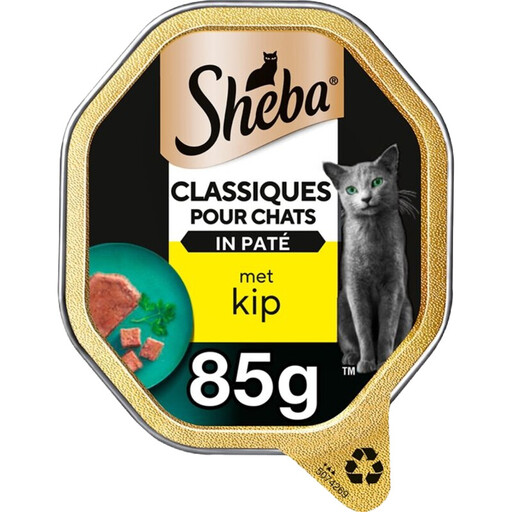
Why it suits this profile: The 85-gram portion makes it easy to try wet food without buying a large multipack straight away.
The product information describes it as complete wet food for adult cats. This makes it clear that it’s more than just a complementary treat.
85 grams per pack, a pâté texture and an analytical composition listing 82.5% moisture.
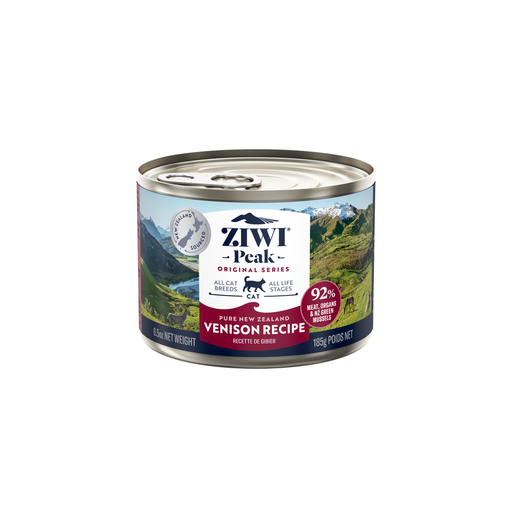
Why it suits this profile: If you’re looking for wet food with a specific animal protein source, you can compare this product’s ingredients directly with other options.
The ingredients list names venison, organs and green-lipped mussel. You can check what’s inside rather than relying only on the front of the packaging.
Complete wet food according to the product information, with 78% moisture and a 185-gram pack size.
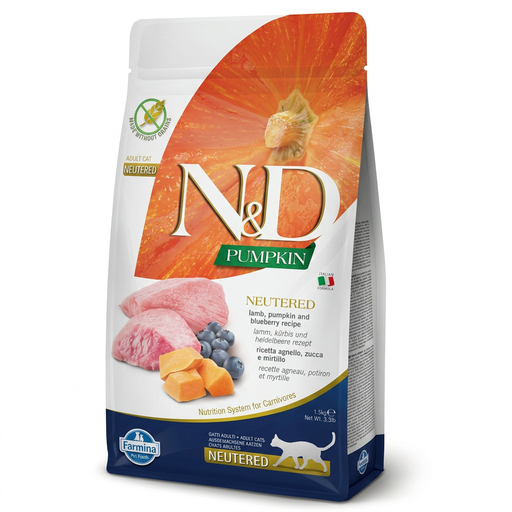
Why it suits this profile: According to the product information, this formula is intended for neutered cats and lists lamb as a protein source.
The packaging names a specific target group, so you don’t have to guess whether the food is intended for neutered cats.
Grain-free composition according to the product information, 1.5 kg pack size and a stated seven-day transition period.
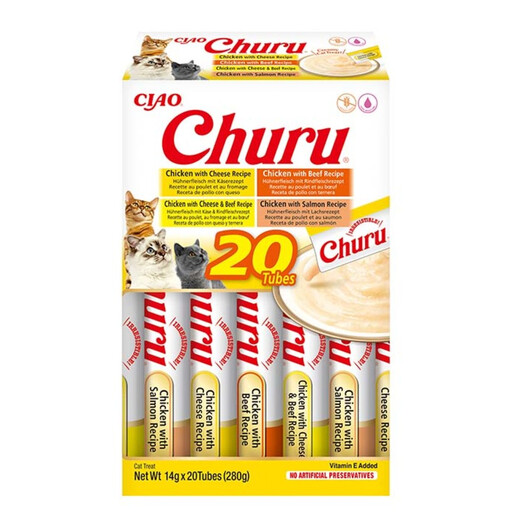
Why it suits this profile: The 20 individual tubes are handy for households that regularly give their cat a small treat or topping.
The product information clearly states that this is complementary food. This makes it easy to distinguish from complete cat food.
20 tubes, two named protein sources and around 6 calories per tube according to the product information.
We’ve put together a complete, up-to-date list of products that meet these strict selection criteria and current European safety regulations.
It depends on your cat’s preference, your storage space and your feeding routine. Wet food usually has a high moisture content and comes in individual portions. Dry food keeps for longer once opened and is easy to weigh out. With both types, check that the food is complete and follow the portion instructions on the packaging.
Gradually mix the new food with your cat’s usual food. Increase the amount of new food over several days. The exact transition period varies by product; several packs recommend around five to seven days. Don’t stop feeding the old food straight away if your cat reacts sensitively.
No, treats are complementary. Give them in limited amounts and take the calories from other food into account. According to the product information, a product such as INABA Churu is intended as a treat, topping or aid when giving medication, and doesn’t replace a complete meal.
