
Vandaag of morgen in huis

Kwaliteit gegarandeerd

Welkomstaanbiedingen ontgrendelen: GRATIS bezorging | Tot 80% korting | Gratis 30 dagen JoyPlus-proefperiode
Download de app
A bag of dry food with an eye-catching flavour name, a tub of wet food with a high moisture content or cat treats making major health claims: there is plenty of choice. However, attractive packaging does not always tell you enough about whether a product is suitable for your cat.
Pay particular attention to three common pitfalls:
The legally required designation should appear on the packaging. Complete pet food is intended as a daily main food when you follow the instructions on the label. Complementary pet food is a snack, topper or extra and does not replace a complete meal.
According to the product information, INABA Broth Chicken with Salmon Recipe contains 93% moisture and is intended as a hydrating treat. INABA Fun Bites and INABA CHURU CAT Chicken are also complementary foods. So use these products alongside dry cat food or complete wet food, rather than as the sole source of nutrition.
A kitten has different nutritional needs from an adult or sterilised cat. According to the product description, Farmina N&D Ocean Kitten Cod is complete food for kittens and also for pregnant or nursing cats. The analytical composition lists at least 44% crude protein and 20% fat, among other components.
Portion control is particularly important for cats after sterilisation. According to the label, Farmina N&D Prime Neutered Cat Chicken is intended for sterilised cats. The stated composition contains 36% crude protein, 14% fat and 9% moisture. Use the feeding guide as a starting point and adjust the amount according to your cat’s weight, activity level and body condition.
Grain-free cat food contains no grains, but that does not automatically make it suitable for every cat. A grain-free formula may still contain pulses or other plant-based ingredients. If your cat has a sensitive digestive system, it is wiser to review the full composition and introduce any change gradually.
According to the product information, Farmina N&D Quinoa Cat Digestion Lamb contains fresh and dried lamb, herring meal, quinoa, peas and oils. The analysis states 36% crude protein, 20% fat and 10% moisture. The product name refers to digestive care; according to Farmina’s own information, the formula is designed with this in mind. This is not a medical treatment or guarantee. If symptoms persist, it is advisable to consult a vet.
“Cat food with chicken”, “cat food with lamb” and “cat food with fish” also deserve a closer look at the ingredients list. With an elimination or single-protein diet, you need to pay extra attention to all animal protein sources, including fats and fish ingredients. You can also view the range of single-protein cat food.
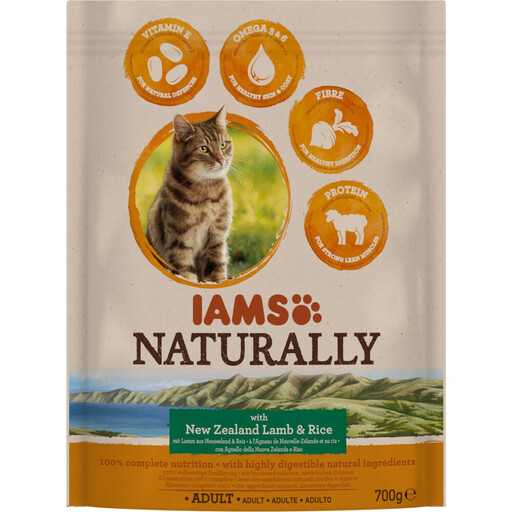
Why it suits this profile: Complete dry food for adult cats, with clear portion guidance for everyday use.
The product information describes it as complete food for adult cats. The composition lists chicken and turkey as dried ingredients, along with 4.1% lamb and rice.
33% crude protein, 15% fat and a recommended daily portion for each weight category, according to the product details.
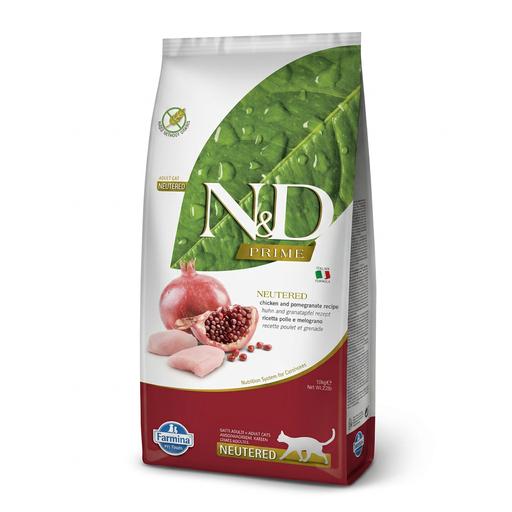
Why it suits this profile: Designed for households with a sterilised cat looking for a larger pack of complete food.
According to the product description, the packaging is intended for sterilised cats and includes specific feeding guidance based on body weight.
36% crude protein, 14% fat, a grain-free composition and a 10 kg pack.
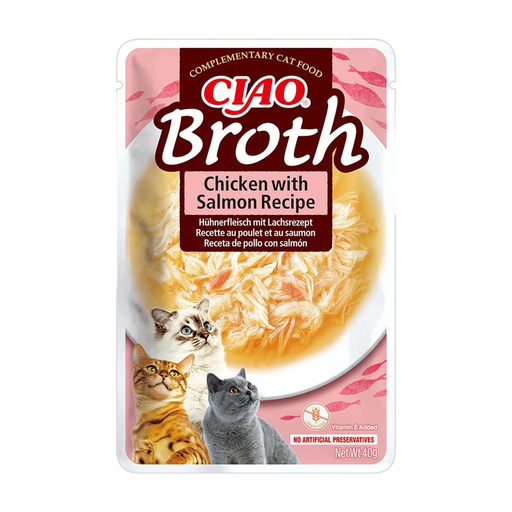
Why it suits this profile: Handy as a complementary treat or topper for cats that do not drink much from their water bowl.
The product information clearly states that this is complementary food. This keeps the distinction from complete wet food or dry cat food clear.
93% moisture, 50 g per pack and a recipe containing chicken broth, chicken and salmon.
Dry food is easy to portion and simple to store. Keep an opened bag tightly sealed in a cool, dry place. Wet cat food generally contains more moisture, but should be refrigerated after opening and used within the stated period.
Combining different types of food can work well, as long as you keep an eye on the total amount. If you give your cat a hydrating treat or cat treats in addition to its daily meal, include this in its total food intake. Also check that the treat is suitable for your cat’s age and any dietary restrictions.
When switching to a different cat food, a gradual transition over around seven days is a practical guideline. Mix increasing amounts of the new food into the old food and monitor your cat’s appetite and stools. Stop if clear problems occur and ask a vet for advice.
We have put together a complete, up-to-date list of products that fully meet these strict selection criteria and the applicable European safety regulations.
Look for a clear ingredients list, a suitable protein source and the complete analytical composition. A product claim made by a brand is not a medical guarantee. According to Farmina’s own information, the N&D Quinoa Cat Digestion Lamb formula is designed for digestive care; discuss persistent symptoms with a vet.
According to product information from various brands, dry food generally stays in the best condition when you reseal the bag properly and follow the storage guidance on the packaging. Opened wet food and broth should usually be kept refrigerated. INABA advises using opened portions within 24 hours; always check the label of your product.
No. Grain-free is a compositional feature, not a general requirement for every cat. More important factors are life stage, whether the food is complete, portion size and your cat’s tolerance. So compare the ingredients and analytical constituents rather than looking only at the front of the packaging.
