
Vandaag of morgen in huis

Kwaliteit gegarandeerd

Welkomstaanbiedingen ontgrendelen: GRATIS bezorging | Tot 80% korting | Gratis 30 dagen JoyPlus-proefperiode
Download de app
A bag of cat food with eye-catching packaging can seem like a good choice at first. But a flavour name, a picture of fish or a claim such as “for a sensitive stomach” doesn’t tell you enough. The most important details are usually in the small print: which life stage the food is for, whether it is complete and how much to feed your cat each day.
Cat owners in the Netherlands commonly fall into three traps:
The label usually states whether the product is complete pet food or complementary pet food. Complete food is intended as a daily meal for the stated life stage. Complementary products, such as cat treats, cat soup and liquid treats, are given alongside your cat’s main food.
For example:
A kitten has different nutritional needs from an adult cat. Check the guidance on the packaging:
According to the product information, Purina One Junior on this page is intended for kittens from weaning to 12 months, and for pregnant or nursing cats. The manufacturer lists chicken, cereals and DHA among its ingredients. Always follow the feeding guide on the packaging and adjust the amount as your kitten grows.
Wet food usually contains plenty of moisture, and some cats find its soft texture and aroma appealing. Dry food is easier to store and portion, but your cat should always have access to fresh drinking water.
Keep these practical points in mind:
A product described as “premium”, “natural” or “high protein” isn’t automatically the right choice. Check the analytical constituents, the full ingredients list and the stated life stage.
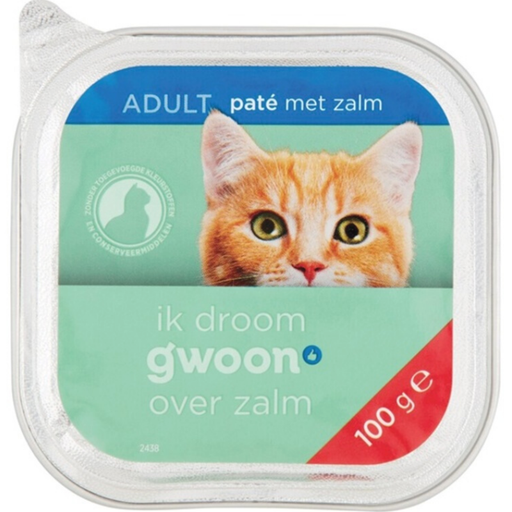
Why it suits this profile: A single 100g portion is a handy size if you want to see whether your cat takes to the soft pâté texture before buying more. According to the product information, this wet food is intended for adult cats.
The packaging gives the weight, intended audience and feeding advice. That means you can try the flavour and texture before buying a large supply.
Soft pâté, salmon listed as an ingredient and a 100g portion. Store any opened food according to the packaging instructions.
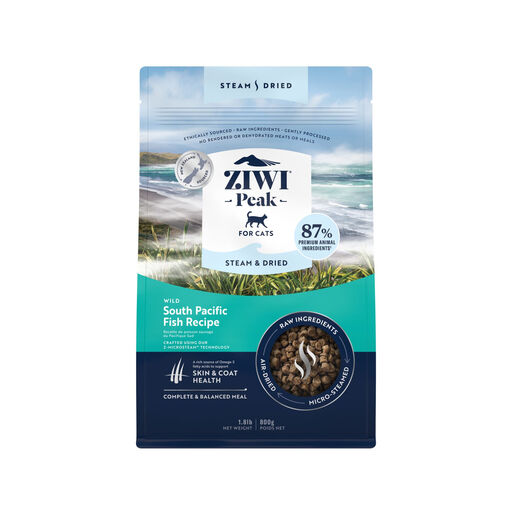
Why it suits this profile: According to the product specifications, this dried cat food contains a high proportion of animal ingredients and at least 40% protein. It is intended as complete food for cats at every life stage.
The product information gives specific analytical values and feeding advice. This lets you compare the protein claim with details you can check.
At least 40% crude protein, no more than 12% moisture and an 800g pack. Adjust portions to suit your individual cat.
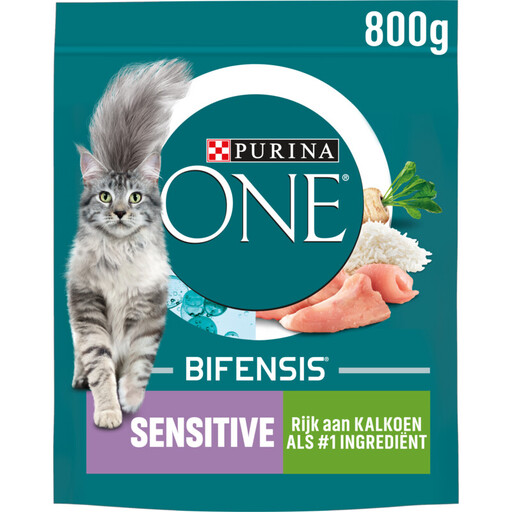
Why it suits this profile: According to the product description, this dry food is intended for adult cats with sensitive digestion. Turkey is listed as the first ingredient, and the recipe contains no added wheat.
The “Sensitive” label is backed up by specific information about the intended audience and ingredients. Purina cites an effect on stool odour based on its own research; this is a brand claim, not a guarantee.
800g of dry food, turkey as the first ingredient and no added wheat, according to the product information.
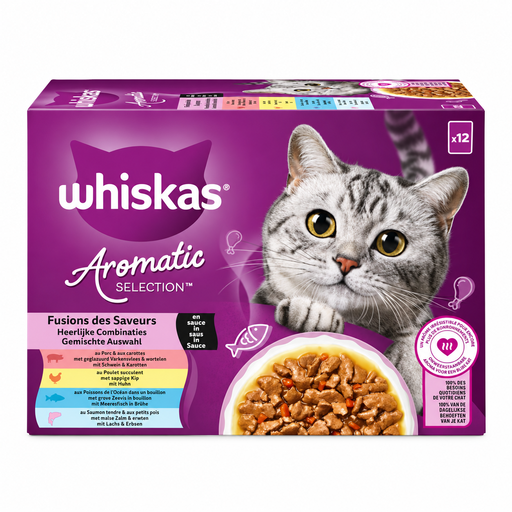
Why it suits this profile: The multipack contains four varieties, with 12 portions of 85g in total. It’s practical if you feed several adult cats or want to offer them some variety.
The individual pouches help reduce waste and make portions easier to divide. Just check that all your cats are adults and can tolerate the different recipes.
12 portions, four flavours and complete wet food for adult cats, according to the product information.
We’ve put together a complete, up-to-date list of products that meet these strict selection criteria and the relevant European safety requirements.
Alongside cat food, many cat owners in the Netherlands look for additional products:
Not necessarily. Wet food usually contains more moisture, and some cats like its texture. Dry food is easy to store and measure. Above all, check that the product is complete food and suits your cat’s age, weight and activity level.
Follow the feeding guide on the packaging and, where possible, divide the daily portion across several meals. The right amount depends on factors including your cat’s weight, age, activity and any treats. Weigh out portions if your cat is gaining weight quickly.
Gradually mix the new food with the old food, for example over about seven days. Start with a small amount of the new food and increase it step by step. Keep an eye on your cat’s appetite, stools and behaviour. If problems persist or you’re unsure about the food, it’s best to speak to a vet.
