
Vandaag of morgen in huis

Kwaliteit gegarandeerd

Welkomstaanbiedingen ontgrendelen: GRATIS bezorging | Tot 80% korting | Gratis 30 dagen JoyPlus-proefperiode
Download de app
Buying a bag or tin of cat food seems simple, until you have to choose between wet food, dry food, kitten food, different flavours and a range of pack sizes. Marketing terms such as “natural”, “with chicken” or “complete” don’t always tell the whole story.
The main pitfalls are:
First, check whether the product is intended for kittens or adult cats. Kitten food is generally tailored to the growth stage, while adult cat food is offered as everyday food for cats from adulthood onwards.
A product described as complete cat food or “complete and balanced” is intended to provide a full diet, according to the product information. Always check the packaging, as recipes and feeding advice can vary between products.
The flavour name is a useful guide, but it doesn’t give you a full nutritional breakdown. When choosing cat food with chicken, fish or beef, check:
For example, g’woon Chicken & Turkey in Jelly is described as containing meat and animal by-products, including chicken and turkey. The supplied product information doesn’t specify the analytical values for protein, fat and fibre. If you want to compare nutritional values, it’s best to check the current label.
Wet cat food in jelly or sauce contains plenty of moisture and is available in tins, trays and pouches. Jelly and sauce are mainly different in texture and presentation. Your cat may eat one variety but leave the other.
Dry cat food keeps for longer once opened and is easy to portion. However, you should always make sure your cat has access to fresh drinking water. When choosing dry food, check:
Use the feeding guidelines as a starting point, then adjust the amount according to your cat’s age, activity level and body condition, as well as any advice from your vet.
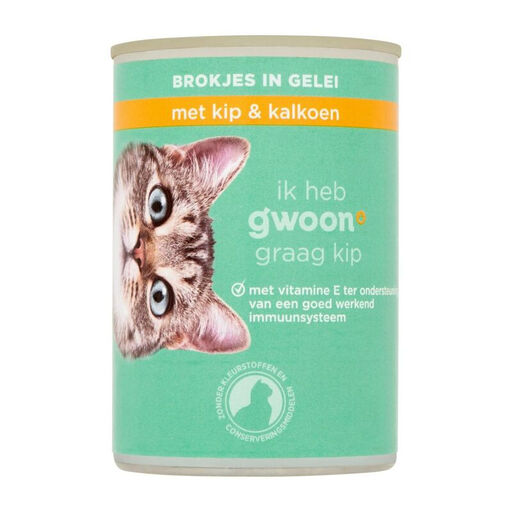
Why it suits this profile: A 405 g tin is an easy introduction to wet food for adult cats, with chicken and turkey in jelly.
The intended audience, animal type, flavour and net quantity are clearly stated in the product information. Check the current label for any analytical values that aren’t listed.
Wet food in jelly, chicken and turkey flavour, a 405 g tin and suitable for adult cats.
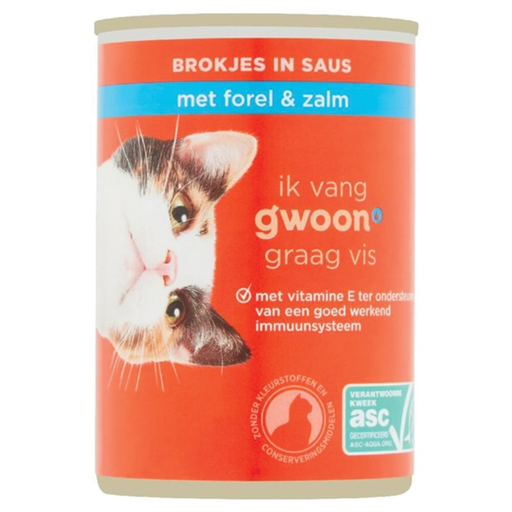
Why it suits this profile: For adult cats that prefer fish flavours and wet food in sauce to kibble or jelly.
The packaging identifies it as food for adult cats, with salmon and trout in sauce. If your cat has a sensitivity, check the full ingredients list.
Fish variety with salmon and trout, a sauce texture and a 415 g tin.
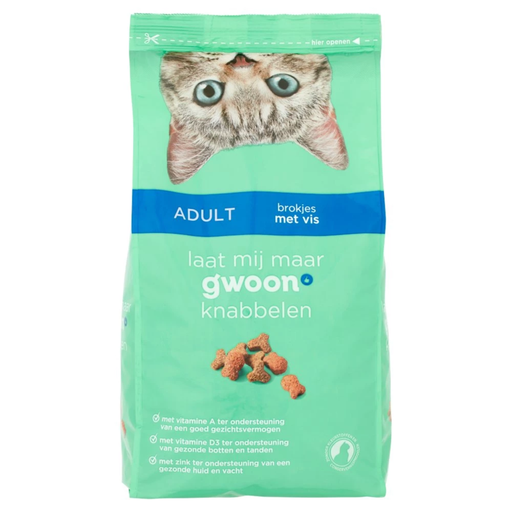
Why it suits this profile: A 2 kg bag of dry cat food suits households that feed kibble every day and want to reorder less often.
This variety is clearly labelled as dry food for adult cats with fish. Store the bag tightly sealed in a cool, dry place.
Dry kibble with a fish flavour, a 2 kg pack and practical storage for everyday use.
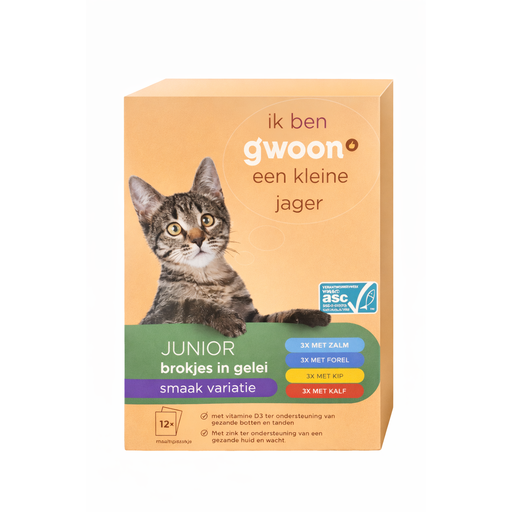
Why it suits this profile: The 100 g portions are handy for kittens that have several small meals and are offered a variety of flavours.
The product information states that it’s intended for kittens and isn’t suitable for adult cats. This helps you avoid choosing food for the wrong life stage.
Junior wet food, a fish and meat variety, jelly and 12 individual 100 g portions.
We’ve put together a complete, up-to-date list of products that meet these strict selection criteria and current European safety regulations.
It depends on your cat’s preferences, the nutritional information and your daily routine. Wet food is available in jelly or sauce and is often sold in individual portions. Dry food is easy to store and portion. For both types, check whether the product is complete food and follow the feeding advice on the packaging.
Always follow the instructions on the label. The product information for several of the wet food products mentioned says that leftovers should be refrigerated and used within two days. Store dry food in a sealed container in a cool, dry place.
Choose a product labelled for kittens, junior cats or a similar growth stage. For example, the g'woon Junior multipack is specifically intended for kittens. Don’t routinely feed a kitten adult cat food without first checking the feeding advice or asking your vet.
