
Vandaag of morgen in huis

Kwaliteit gegarandeerd

Welkomstaanbiedingen ontgrendelen: GRATIS bezorging | Tot 80% korting | Gratis 30 dagen JoyPlus-proefperiode
Download de app
A bag of cat food with an enticing flavour claim, a large percentage on the front or an attractive multipack can seem like an easy choice. But the front of the packaging doesn’t always tell you enough about whether it’s suitable for everyday feeding. As Joybuy’s Product Recommendation Officer, I focus on information you can check: the nutritional status, ingredients, analytical constituents, feeding guide and the type of cat the product is intended for.
“Chicken”, “fish” or “lamb” on the packaging doesn’t automatically mean it’s the main ingredient. Check the ingredients list and look out for wording such as “with beef” or “with chicken”. For example, Whiskas Adult wet food with beef states that the chunks contain 4% beef. The rest includes meat and animal derivatives, cereals and vegetable protein extracts.
So, if you’re looking specifically for fish cat food, chicken cat food or lamb cat food, it’s worth checking the full ingredients list rather than relying on the product name alone.
Cat treats and some liquid products are intended as a supplement, not a main meal. According to the product information, INABA Fun Bites Cat Chicken Wraps Tuna with Cheese is a complementary pet food. You can give it as a treat or topping, but it won’t replace complete and balanced cat food.
For everyday meals, look for a clear statement such as complete food for adult cats. Also check the recommended amount and adjust it to your cat’s weight, age and activity level.
Cat dry food generally keeps for longer after opening than wet food, but storage and how quickly you use it still matter. A 10 kg bag may seem like good value, but only if your cat eats the food and you use it up within a reasonable time. Keep dry food sealed in a cool, dry place.
For cat wet food, opened tins or trays should be covered and kept in the fridge. Several product labels recommend using leftovers within around two days. Always follow the instructions on the packaging.
When choosing cat food for adult cats, the age guidance is a good place to start. An adult cat aged around one year or older has different nutritional requirements from a kitten. For a neutered cat, a formula with adjusted energy content and a feeding guide may be more practical.
According to the product description, Farmina N&D Ocean Neutered Cat Herring is intended for neutered cats. Its stated analysis includes 46% crude protein and 11% crude fat. These are figures you can check, but they don’t determine on their own whether this food is right for your cat. Weight, activity, eating habits and any specific dietary needs all play a part.
Don’t compare products based only on the highest protein percentage. Dry food often contains little moisture, while wet food has a high moisture content. This means the percentages on the labels aren’t directly comparable.
When choosing dry food, consider:
Wet food often has a moisture content of around 75 to 85%. Gourmet Gold Mousse, for example, lists 77.5% moisture, 10.5% protein and 7% fat. It’s described as a complete food for adult cats. A multipack can be handy if your cat enjoys a soft mousse and you’d like to offer a choice of flavours.
Grain-free cat food isn’t automatically necessary for every cat. It may be a personal preference or suit a particular dietary choice, but always check the full recipe. Farmina N&D Pumpkin Cat Quail lists a grain-free recipe containing quail, herring, pumpkin, peas and chickpeas.
You shouldn’t treat “for sensitive digestion” as a medical claim either. It refers to the ingredients and how the product is positioned. If symptoms persist, your cat loses weight or their appetite changes noticeably, it’s a good idea to speak to a vet.
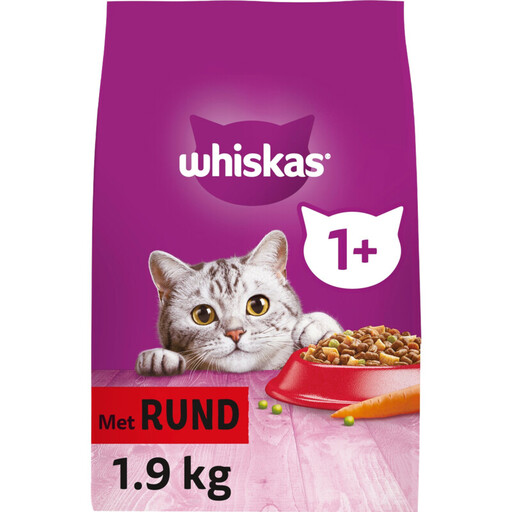
Why it suits this profile: An affordable bag of dry food for adult cats, offering a familiar everyday staple.
The product information describes it as complete dry food for adult cats and includes storage advice. Check the current feeding guide on the packaging.
Dry kibble, an adult formula and a 1.9 kg pack.
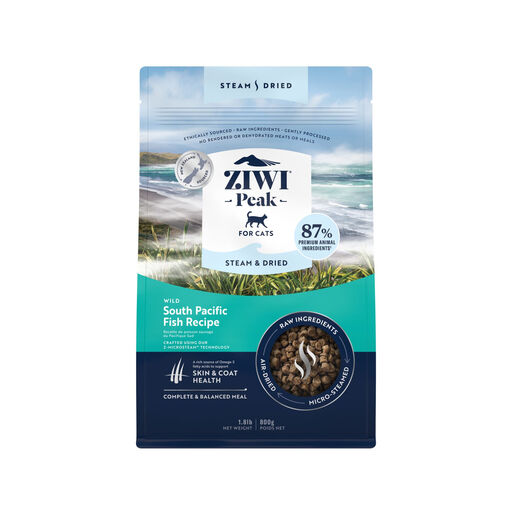
Why it suits this profile: A good choice if you’re looking for a recipe featuring several types of fish and a relatively high protein content.
The product page describes it as complete dried food and lists the ingredients and analytical constituents, including at least 40% crude protein.
A fish-focused recipe, at least 40% crude protein and an 800-gram portion.
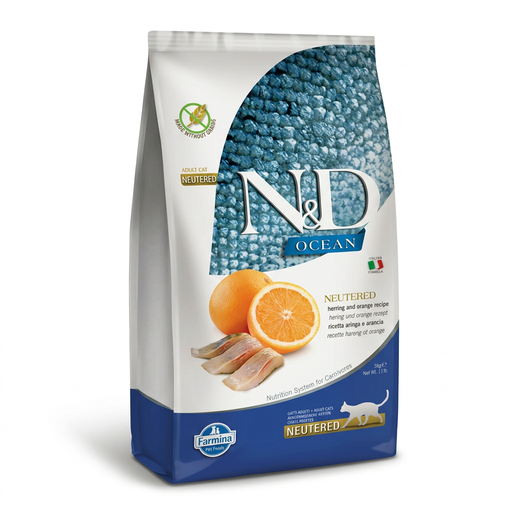
Why it suits this profile: Aimed at owners of adult neutered cats who are considering a grain-free fish formula in a larger pack.
The packaging specifies a formula for neutered cats, 11% crude fat and a gradual transition over at least seven days.
We’ve put together a complete, up-to-date list of products that meet these strict selection criteria and current European safety regulations.
It depends on your cat’s preferences, your feeding routine and how well you can control portions. Dry food is easy to store and measure out. Wet food usually contains plenty of moisture and may appeal to cats who prefer softer food. You can feed a combination, as long as you keep track of the total daily amount.
Gradually mix the new food with the old food, usually over about seven days. Start with a small amount of the new food and increase it step by step. Keep an eye on your cat’s appetite, stools and body weight. If your cat is already on a prescribed diet, don’t change it without speaking to your vet.
Follow the date and storage advice on the packaging. Store dry food sealed in a cool, dry place. Opened wet food should be covered and kept in the fridge, and many product labels recommend using it within two days. Always make sure your cat has access to fresh drinking water too.
