
Vandaag of morgen in huis

Kwaliteit gegarandeerd

Welkomstaanbiedingen ontgrendelen: GRATIS bezorging | Tot 80% korting | Gratis 30 dagen JoyPlus-proefperiode
Download de app
Choosing the right cat food seems simple enough – until you start comparing labels, portion sizes and age recommendations side by side. An appealing flavour name tells you very little about whether it’s suitable for your cat. What’s more, a large pack might look like good value, only for your cat to leave half of it or for the food to need using up quickly once opened.
In this guide from the Joybuy Product Recommendation Officer, we cut through the marketing speak to bring you verifiable information. That way, you can compare wet cat food, dry cat food, cat meals in sauce and cat food in jelly in a practical, informed way.
Not every product with “food” in its name is suitable as a daily staple. Always check the packaging to see if it states complete cat food or complete nutrition. A product intended as a topper or treat, such as INABA Churu Multipack Chicken & Beef, has a different purpose. According to the product description, each tube contains 6 kcal and can be given by hand, over wet or dry food, or around medication. It is therefore a supplement, not a replacement for a main meal.
“With chicken”, “with beef” or “fish selection” does not automatically mean that the recipe is mostly made up of that animal. Check the ingredients list and the analytical composition. For example, Whiskas Adult Wet Cat 1+ Food Mixed Selection in Sauce states the percentage of the named meat in the pieces for each variant. That gives you far more information than the picture on the front of the pack.
A cat food multipack is convenient, but compare the total quantity with the feeding guidelines. A pack of 12 × 85g contains 1,020g, whereas Felix Every Day Party Mix 44 × 85g contains 3,740g. That’s practical for households with multiple cats or a cat that eats wet food every day, but less suitable if your cat quickly gets bored of a flavour or doesn’t eat much.
First, choose based on your cat’s life stage:
Felix Premium Quality Junior Cat Food Mixed Flavors is, according to the product information, intended for kittens aged 2 to 12 months. So don’t choose this type just because your adult cat likes the taste.
Wet cat food typically contains a lot of moisture. The Whiskas variety in sauce, for example, states 84.5% moisture, while Felix Premium Cat Food Fish Mix states 82% moisture. That’s a verifiable product specification, but not a reason to automatically rule out other foods. Your cat’s preference, the overall diet and the advice on the packaging all remain important.
Dry food, such as g'woon Adult Crunchy Meat and Fish Chunks, keeps longer once opened and is easy to portion out. This product comes in a 2kg pack. With dry food, an airtight container is important, as the smell and texture can change over time. Also, always make sure fresh drinking water is available.
Check whether the product is labelled as complete nutrition for the correct species and life stage. Also look at:
A high protein percentage is not a reason in itself to choose a product. The values are only meaningful when you compare them with the type of food and your cat’s nutritional needs.
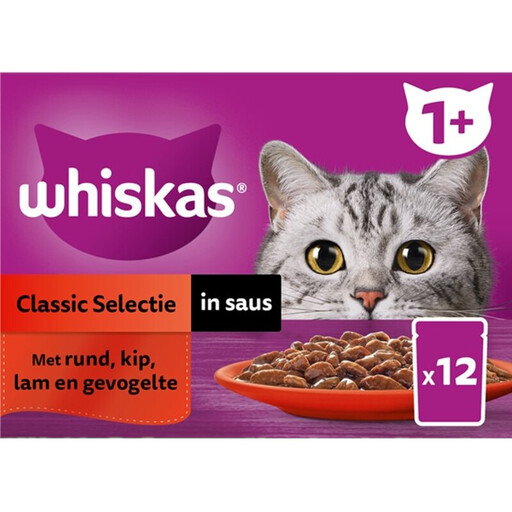
Why this suits the profile: A straightforward multipack with four varieties in sauce for adult cats from 1 year old.
The product information states the moisture content, the energy per pouch and the composition per flavour. This lets you compare on more than just the front of the pack.
12 pouches of 85g, complete wet food for adult cats, and leftovers can be stored in the fridge for up to two days according to the product information.
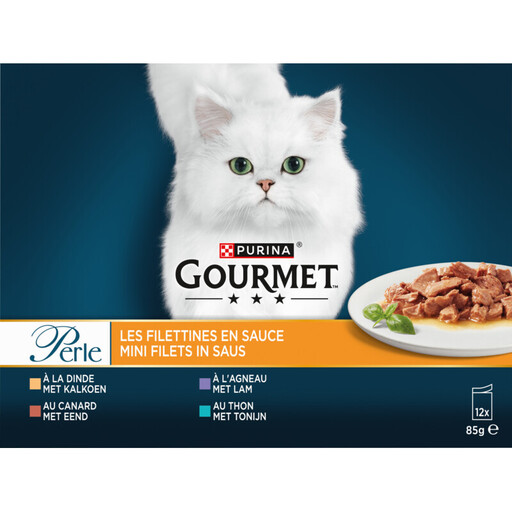
Why this suits the profile: Designed for adult cats that prefer fine pieces in sauce over pâté or jelly.
The specification states it is complete food for adult cats and the contents are 12 portions. You don’t have to guess the texture or portion size from marketing images.
Mini fillets in sauce, 85g per portion and, according to the product description, no added colourings, preservatives or flavourings.
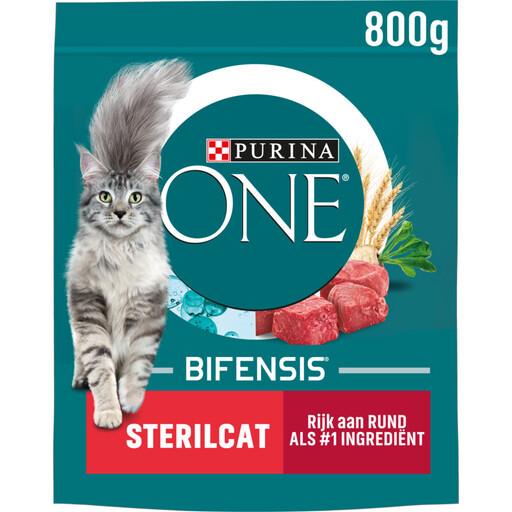
Why this suits the profile: Dry food for adult neutered or spayed cats, with a clear daily feeding table.
According to the product description, this variety has an adjusted protein-to-fat ratio and balanced minerals. Always check whether it suits your cat and follow the feeding guide on the pack.
800g dry food, 37% crude protein and a feeding guide of 35 to 85g per day depending on weight and activity level.
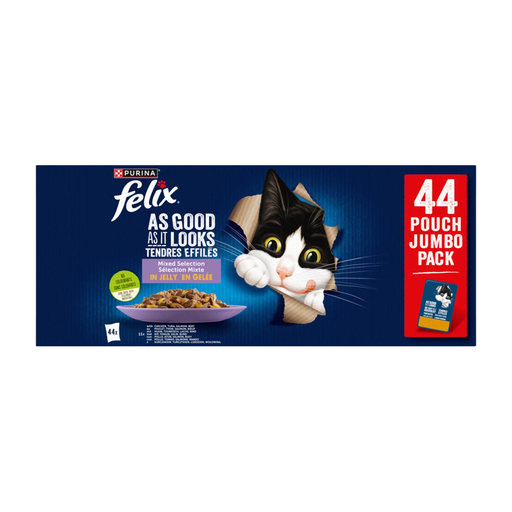
Why this suits the profile: A large bulk pack with different flavours and individual portions.
The 85g portions limit leftover opened food. With a large stock, it’s important to check the best-before date and storage instructions.
44 pouches, 3.74kg total weight and, according to the product information, complete nutrition for adult cats, also suitable for neutered cats.
We’ve put together a full, up-to-date list of products that fully meet these strict selection criteria and comply with current European safety regulations.
Start with the daily amount stated on the packaging and adjust it based on weight, age and activity. If you’re combining wet and dry food, don’t give the full recommended amount of both products. Use a kitchen scale for kibble if you want to keep portions accurate.
Open wet food at room temperature if possible. Store leftovers sealed in the fridge and follow the time stated on the label; for the products mentioned, this is usually between 24 and 48 hours. Include cat treats in the total daily amount. Even a low-calorie snack still counts towards your cat’s daily energy intake.
That depends on your cat’s preference, your practical situation and the feeding guidelines. Wet food offers portions in sauce or jelly and often has a high moisture content. Dry food is easy to store and weigh out. A combination can work well, as long as you calculate the total amount correctly.
Always follow the packaging. As a general product instruction, opened wet food is often kept refrigerated and used within 24 to 48 hours. If the food smells off, the packaging is damaged or the storage time has passed, do not feed it.
Look at the life stage, the indication for neutered or spayed cats and the nutritional values. Also pay attention to the daily portion and your cat’s body weight. If you notice significant changes in appetite, weight or behaviour, it’s wiser to seek advice from a vet rather than switching to a specific diet on your own.
