
Vandaag of morgen in huis

Kwaliteit gegarandeerd

Welkomstaanbiedingen ontgrendelen: GRATIS bezorging | Tot 80% korting | Gratis 30 dagen JoyPlus-proefperiode
Download de app
Cat food packaging often looks more convincing than the actual differences in content really are. A picture of chicken or salmon doesn’t automatically mean that ingredient is present in large quantities. Terms like “natural”, “premium” and “for sensitive cats” only tell you something once you check the composition and nutritional status.
When buying cat food, these are the main pitfalls you’ll come up against:
Look on the label for a clear indication such as “complete pet food” or fully balanced pet food. This means the product is intended as daily nutrition according to the product information. Wet food, dry cat food and some multipacks fall into this category.
A complementary product, such as INABA Churu Cat Tuna or INABA Broth Chicken with Salmon, has a different purpose. These products can be given as a treat, topping or supplement. According to the product specifications, they contain 91% and 93% moisture respectively, but they are not a complete meal. So don’t give them unlimitedly, and adjust the amount of main food accordingly.
For kittens, kitten food with appropriate energy, protein, minerals and vitamins is important. The Purina One Junior formula is intended, according to the product description, for kittens from weaning up to twelve months, and also for pregnant or nursing cats. Whiskas Junior wet food lists feeding guidelines for different ages within the growth phase.
For adult cats from around one year old, choose a product labelled “adult”. Also pay attention to your cat’s weight, activity level and body condition. The recommended portion on the packaging is a starting point; an indoor cat may need a different amount than an active outdoor cat.
Wet food generally contains much more moisture than dry food. That can be useful for cats that don’t drink much, but it doesn’t replace fresh drinking water. With dry food, it’s especially important that your cat always has access to clean water.
Also compare:
Claims about, for example, teeth, digestion, skin or coat should be seen as brand communication. According to Purina’s own research, Purina One Sensitive claims a 24% reduction in litter box odour within 14 days. That is not a generally guaranteed result for every cat.
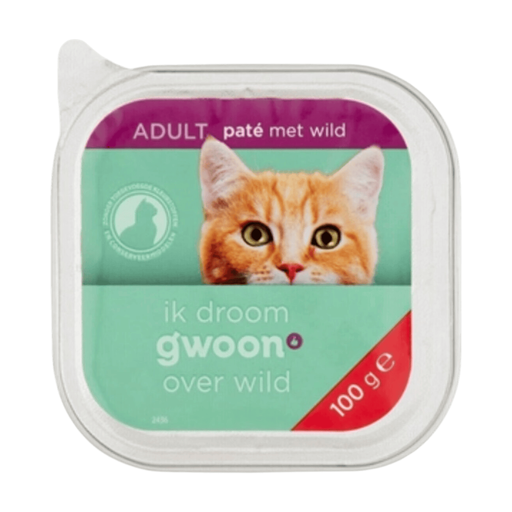
Why this fits the profile: The 100-gram portion is manageable for anyone who wants to see first whether a cat accepts a soft pâté texture and beef flavour.
You’re not immediately committed to a large stock if the flavour or texture isn’t accepted. The product information states it is complete food for adult cats.
Soft pâté texture, beef as the stated variety and a 100-gram pack.
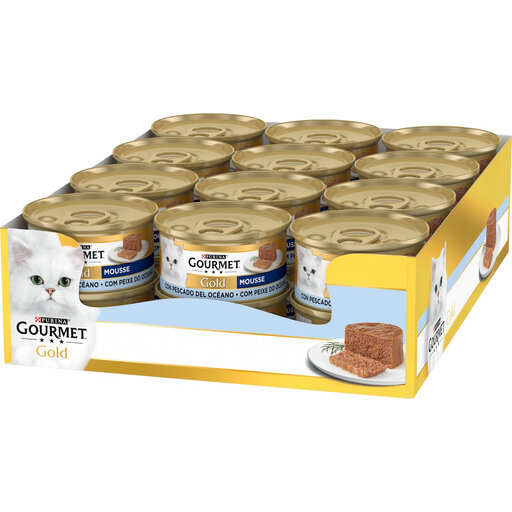
Why this fits the profile: The 85-gram tins suit cats that have several small meals a day, and owners who want a fish variety in the house.
The nutritional status and portion size are clearly stated in the product information. Do check whether the mousse texture and tuna variety suit your cat.
24 tins, individual portions and complete daily nutrition according to the product description.
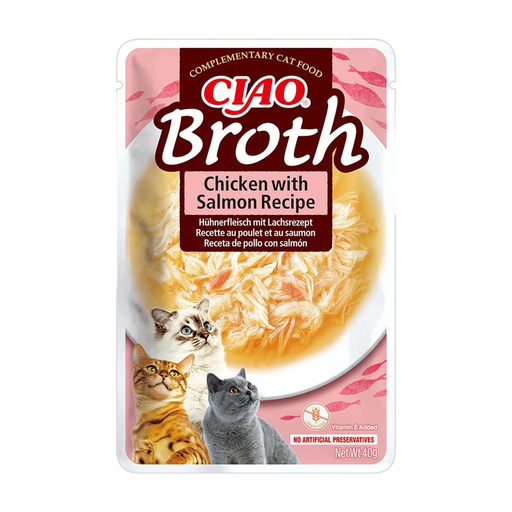
Why this fits the profile: This is a practical supplement for owners who want to offer extra hydration alongside the main food.
The product information explicitly calls it a hydrating treat and not a complete meal. This makes its purpose clearer than a general snack claim.
93% moisture, chicken broth as the first ingredient and a 50-gram portion.

Why this fits the profile: According to the product information, the formula is intended for kittens from weaning up to twelve months and can be given dry or with a little water.
The target age group is clearly stated. This means you don’t have to use adult cat food as a temporary growth food.
800 grams of dry food, chicken as the stated ingredient and a complete formula for kittens according to the product information.
We’ve put together a full, up-to-date list of products that fully meet these strict selection criteria and comply with current European safety regulations.
Wet food generally contains more moisture and can be appealing to cats that enjoy soft textures. Dry food is easy to portion and store. Both can be complete nutrition if that is clearly stated on the packaging. The choice depends on your cat’s preference, the feeding instructions and your daily routine.
This varies by weight, age, activity level and body condition. Use the feeding guideline on the packaging as a starting point. With mixed feeding, you need to consider the amount of wet food and dry food together; don’t automatically add a full portion of both.
No, complementary products such as cat treats, Churu and broth are intended as a treat or supplement. Check the indication on the packaging. Always give the recommended amount and keep fresh drinking water available. If feeding problems persist or your cat has a known medical condition, it’s wise to consult a vet.
