
Vandaag of morgen in huis

Kwaliteit gegarandeerd

Welkomstaanbiedingen ontgrendelen: GRATIS bezorging | Tot 80% korting | Gratis 30 dagen JoyPlus-proefperiode
Download de app
A bag of cat food with an appealing picture and words like “natural” or “grain-free” can seem like a good choice at first glance. Yet the front of the packaging tells you very little about whether it’s actually suitable for your cat. Age, activity level, whether they’ve been neutered, and the balance between dry and wet food often matter far more than any eye-catching marketing claim.
Not every product sold as cat food is suitable as a daily staple. Always check whether the packaging states that it is complete food. Treats, toppers and some types of wet food are complementary and do not provide all the necessary nutrients on their own.
For example, the INABA Fun Bites Cat Chicken Wraps are intended as a complementary food or a way to offer extra moisture. According to the product information, these portions contain 93% moisture, but they are not designed to be a complete daily meal. So give them alongside a suitable main food and adjust the quantity accordingly.
Kitten food, adult cat food and senior cat food are not simply interchangeable. A kitten needs a nutritional plan that supports growth. For a cat from around one year old, the focus shifts to maintenance. For cats aged seven years and over, a tailored formulation can better suit their life stage.
Food for neutered cats also deserves attention. After spaying or castration, activity levels and energy requirements can change. So don’t just look at the flavour – also check the feeding guidelines and the fat and protein content.
Grain-free cat food is not automatically suitable for every cat. The absence of grains tells you nothing on its own about the overall nutritional balance. Check the full ingredients list, the analytical constituents and the mention of complete food.
The same applies to cat food with chicken or cat food with fish. A flavour name may be appealing, but look at how much of that ingredient is actually in the recipe. According to the product information, Purina ONE Adult Chicken contains 17% chicken and 17% whole wheat, for example. That gives you a much clearer picture than just the image on the bag.
Look out for these three points:
If you have any concerns about allergies, a specific diet or a medical condition, it’s wise to consult a vet. A product description is not a substitute for personal dietary advice.
Compare the ingredients in descending order and check the percentages of crude protein, crude fat, crude fibre, crude ash and moisture. These values help you compare different types of dry cat food more fairly.
Farmina N&D Quinoa Cat Digestion Lamb lists, according to the product information, 36% crude protein, 20% crude fat and 10% moisture. The variant is described as grain-free and contains quinoa, lamb and herring meal. That makes it an option for buyers who pay close attention to this specific composition, but “grain-free” is no reason to skip the other criteria.
A large pack may seem economical, but only if your cat accepts the food well and you can store it airtight. Check the best-before date and seal an opened bag properly. Store cat food in a cool, dry place away from direct sunlight.
When introducing a new product, switch gradually – for example, over about seven days. Keep an eye on your cat’s stools, appetite and body condition. Always provide fresh drinking water, especially on a diet that consists mainly of dry food.
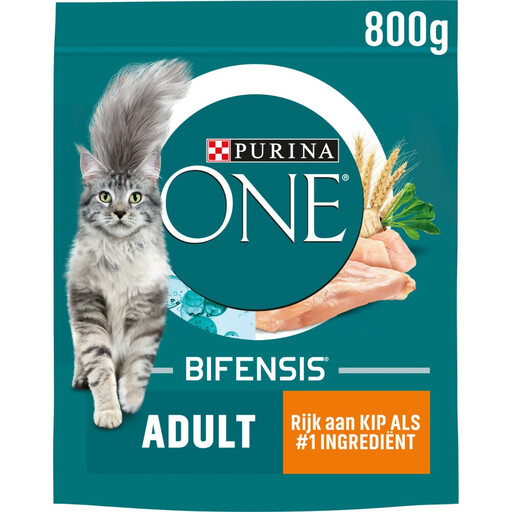
Why this fits the profile: A straightforward 800 g pack for an adult cat. The product information includes feeding guidelines by body weight and a recipe with chicken and whole grains.
The adult life stage and analytical values are stated, so you don’t have to rely on the flavour name alone.
Chicken is listed at 17% in the product information; the product states 34% protein and is intended as a complete food for adult cats.
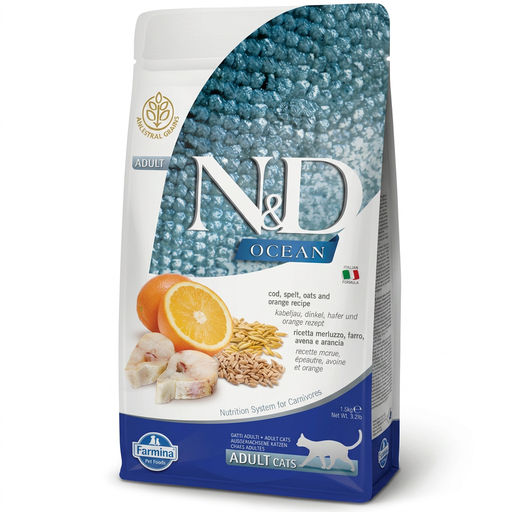
Why this fits the profile: Ideal for those who want to compare ingredients and additives in detail. The product information mentions cod, spelt, oats and a 1.5 kg pack.
The recipe lists specific percentages, such as 27% fresh cod, 26% dehydrated cod, 10% spelt and 10% oats.
The product information lists fish oil, taurine and a full range of vitamins and minerals. Always check the label yourself if your cat has a sensitive stomach.
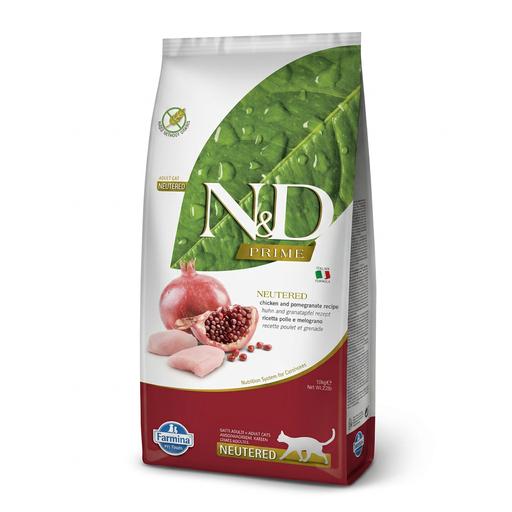
Why this fits the profile: The large pack is practical for multi-cat households or a cat that eats this food daily. According to the product information, this variant is designed for neutered adult cats.
The target group is clearly stated. The packaging also mentions a gradual seven-day transition and portion sizes by body weight.
The product information states 36% protein, 14% fat and a grain-free recipe with chicken, egg, peas and chickpeas.

Why this fits the profile: According to the product information, this kitten food is suitable from weaning up to twelve months and comes in an 800 g pack.
The age range is clearly stated. That means you don’t have to guess whether adult cat food is suitable for a growing kitten.
The product information lists chicken as an ingredient, 17% chicken, grains and DHA. Follow the feeding guidelines on the pack as your kitten grows.
We’ve put together a full, up-to-date list of products that fully meet these strict selection criteria and comply with current European safety regulations.
A product labelled as complete food can be used as a daily diet according to the packaging. However, dry food contains very little moisture compared to wet cat food. So always make sure fresh water is available. Some cat owners combine dry food with wet food, but adjust the total amount to avoid overfeeding.
That depends on age, growth and the advice on the packaging. Many kitten products are intended for up to twelve months, while adult cat food is typically offered from one year onwards. Make the transition gradually and keep an eye on your cat’s weight and body condition.
Store dry cat food in a cool, dry place and seal the bag tightly. Wet food and complementary moisture products should be stored according to the instructions on the packaging after opening and used in good time. Check the best-before date with every purchase and follow the manufacturer’s current usage instructions.
