
Vandaag of morgen in huis

Kwaliteit gegarandeerd

Welkomstaanbiedingen ontgrendelen: GRATIS bezorging | Tot 80% korting | Gratis 30 dagen JoyPlus-proefperiode
Download de app
A bag of cat food with an attractive picture and words like “premium” doesn’t necessarily tell you whether it’s right for your cat. The right choice depends on age, activity level, health condition, taste preference, and whether it’s a complete meal or a supplement.
Many cat owners in the UK come up against the same pitfalls:
A kitten has different nutritional needs to an adult cat. Kitten food is typically tailored to the growth phase and includes guidelines for different ages and weights. Purina One Junior Chicken & Grain Formula is, according to the product information, intended from weaning up to 12 months and is described as a complete food for kittens.
For cats from around one year old, look for cat food for adult cats. The recommended amount then depends on weight, activity and body condition. An indoor cat with little exercise may need less than an active outdoor cat.
After spaying or neutering, an adjusted energy intake may be relevant. Purina One Sterilcat Beef & Grain Formula is, according to the product description, intended for spayed or neutered adult cats, with a stated protein-to-fat ratio and adjusted minerals. Check the feeding table and adjust the amount when your cat’s weight changes.
Wet cat food contains plenty of moisture and is available in mousse, sauce, jelly and chunks. It’s handy for cats that like to eat small portions. Pay attention to storage instructions: opened portions usually need to be covered and kept in the fridge, and used within the time stated on the packaging.
Dry cat food is easy to portion and practical when you’re not at home during the day. Seal the bag properly and store the food in a cool, dry place. A product like Purina One Urinary Care Chicken is a complete dry food for adult cats, with a stated composition including 34% crude protein and 14% fat.
A combination of wet and dry food can work, but add the daily amounts together. Use the guidelines on both packs as a starting point and avoid treats unknowingly making up a large part of the energy intake.
A term like “for sensitive stomachs” describes an intended use, but doesn’t replace a diagnosis. If your cat is persistently vomiting, has diarrhoea, is in pain, drinking a lot or showing changes in urination, it’s wise to contact a vet. Introduce new food gradually, for example over about seven days, so you can see how your cat reacts.
With cat food for sensitive stomachs, you can look for a straightforward ingredients list, a clear feeding guideline and a complete composition. Purina One Sensitive Adult Turkey & Rice lists turkey as the first ingredient and states no added wheat. The claim about a possible change in stool odour is based on Purina’s own research; so don’t regard this as a guaranteed result for every cat.
The same applies to urinary cat food: a product for urinary tract support is not a treatment for bladder crystals or a urinary tract condition. If your cat is struggling to urinate or is urinating unusually often, first seek advice from a vet.
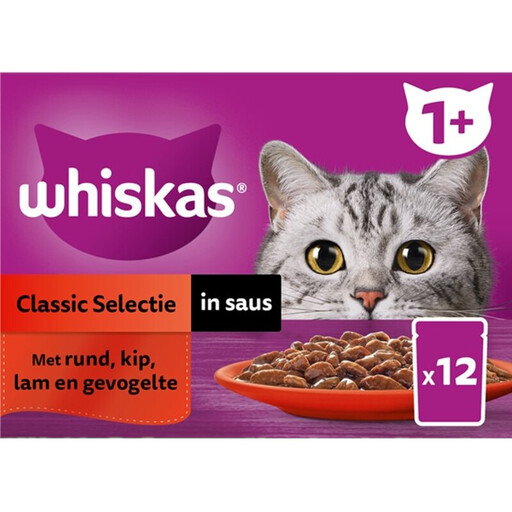
Why this fits the profile: The multipack contains 12 portions of 85 grams and is intended for adult cats from one year old. That makes portions easy to plan.
The packaging states complete food, age suitability, analytical constituents and storage instructions. That way you don’t treat a multipack as a loose treat.
12 portions of 85 g; selection with beef, chicken, lamb and poultry; suitable for cats over one year old.
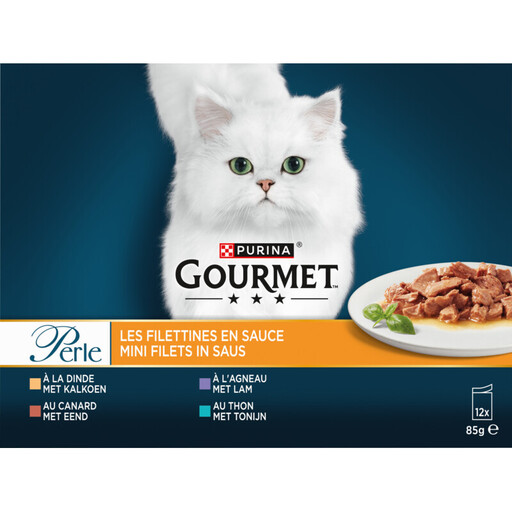
Why this fits the profile: Suitable for adult cats that prefer mini fillets in sauce and benefit from small, easy-to-manage portions.
The product information explicitly calls it a complete food for adult cats. The pack contains 12 individual portions of 85 g.
Turkey and tuna variety; mini fillets in sauce; according to the product description, no added colourings, preservatives or flavourings.
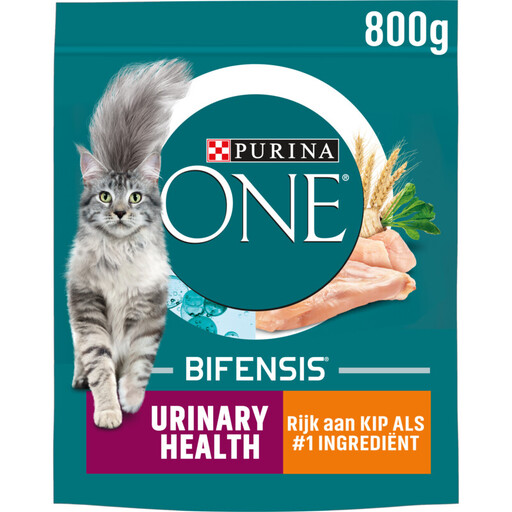
Why this fits the profile: For those looking for a complete dry food that, according to the product information, is formulated for adult cats with urinary tract health in mind.
The label states a complete food, daily amounts per weight category and the need for fresh drinking water. The product does not replace veterinary advice.
800 g dry food; chicken as the stated main ingredient at 17%; guidelines for cats from 2 to 6 kg.

Why this fits the profile: The food is intended for kittens from weaning up to 12 months, so it matches a clear growth stage.
The age limit and its purpose as a complete kitten food are clearly stated. This makes it less likely that adult cat food is accidentally chosen as the main diet.
800 g pack; chicken as the stated ingredient at 17%; DHA and nutrients for the growth stage according to the product description.
We’ve put together a full, up-to-date list of products that fully meet these strict selection criteria and comply with current European safety regulations.
Choose food that clearly states it is for kittens and the relevant age stage. Kitten food contains feeding guidelines based on age and weight. Don’t switch to adult cat food without reason; follow the instructions on the packaging.
Both types can work when they are complete and correctly portioned. Wet food provides relatively high moisture per portion, while dry food is easy to store and weigh out. A combination can also work, as long as you monitor the total daily amount.
Dry food remains usable according to the date and storage instructions on the packaging, provided the bag is kept well sealed and dry. Opened wet food should be covered and kept in the fridge. Always check the label; some products state a maximum of 24 hours and others up to two days. Serving temperature and hygiene also affect how well your cat accepts it.
