
Vandaag of morgen in huis

Kwaliteit gegarandeerd

Welkomstaanbiedingen ontgrendelen: GRATIS bezorging | Tot 80% korting | Gratis 30 dagen JoyPlus-proefperiode
Download de app
A packet labelled “premium”, “natural” or “with salmon” sounds appealing, but it doesn’t always tell you enough about whether the cat food is suitable. The key question is: does the product match your cat’s age, nutritional needs and eating habits?
When comparing, watch out for three common pitfalls:
Choose cat food that is clearly intended for the right age:
Don’t just give a kitten adult wet food as a main meal. With products like Whiskas Junior Classic Selection, look specifically at the stated age and daily portions.
Complete cat food is intended as a full meal when given according to the instructions. Wet food, dry food and pâté for cats can all be complete, but this must be stated on the label or product description.
Complementary products have a different role:
The INABA Bisque varieties, for example, are listed as complementary food in the product information. They can be used as a hydration treat or topper, but are not a replacement for complete cat food.
With wet cat food, a large part of the product is moisture. This can be good for cats that don’t drink much, but always compare the protein and fat percentages alongside the moisture content. A high percentage on the label isn’t directly comparable between wet and dry food.
Also pay attention to the texture:
The ingredients list gives a more realistic picture than a big flavour image. For example, Felix Double the Tasty Salmon, Sea Fish & Beetroot states that the product is for adult cats and contains salmon and sea fish among other ingredients. The specification also includes the percentages of certain fish types in the kibble.
A cat food multipack is practical when your cat has a settled taste and you regularly need the same portions. 85g pouches are easy to open per meal. A 400g tin can work out cheaper per gram, but once opened it needs refrigerated storage and using up in time.
Always check:
Introduce new food gradually and adjust the amount based on weight, activity and any extra treats. The feeding guideline on the packaging remains the starting point.
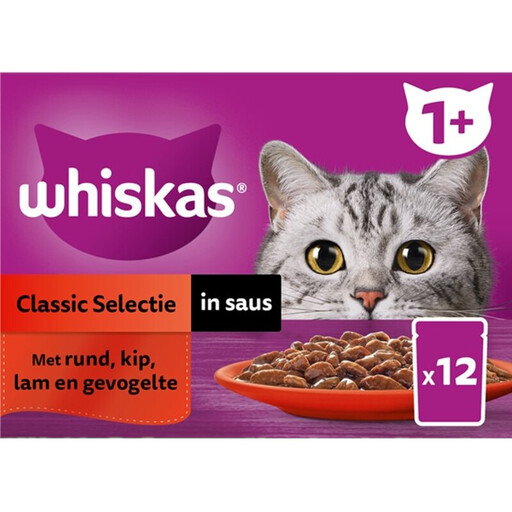
Why this fits the profile: A multipack with different flavours in sauce is practical for an adult cat that enjoys variety. The 85g portions are easy to divide up.
The packaging states that it is complete wet food for cats over 1 year old. Do check whether the mixed flavours suit your cat.
12 portions of 85g, a selection in sauce and clear feeding guidelines for adult cats.
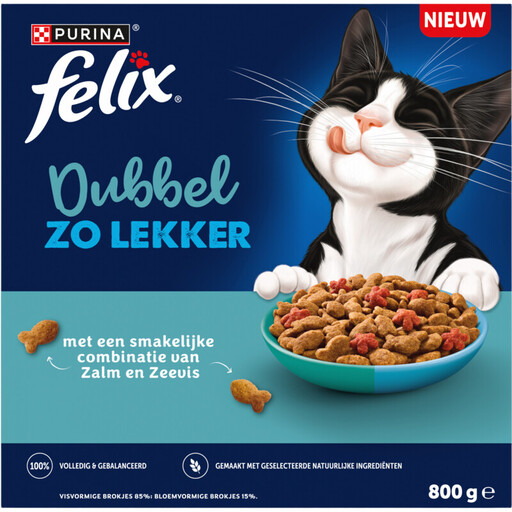
Why this fits the profile: Ideal for anyone looking for a complete fish-based option for adult cats with different kibble shapes.
The product information states it is complete cat food for adult cats and lists the ingredients and analytical constituents.
800g content, salmon and sea fish, added vitamins, minerals and taurine according to the product information.
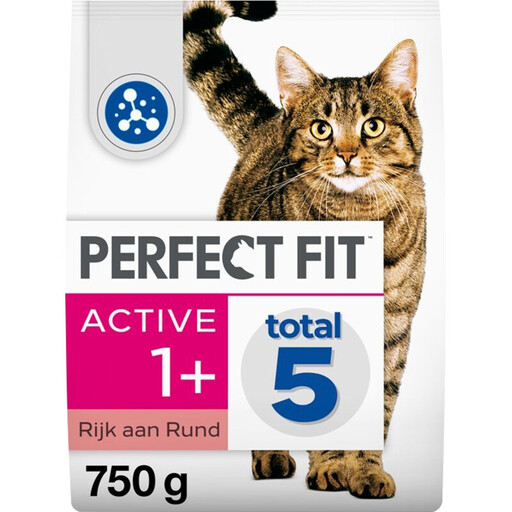
Why this fits the profile: An option for households that want dry food that’s easy to store, weigh and combine with wet food.
The product description states the adult life stage, analytical values and a transition guide. The claim about five nutritional benefits comes from the brand.
Dry food for adult cats, 34% protein according to the product information and suitable for accurate portioning.
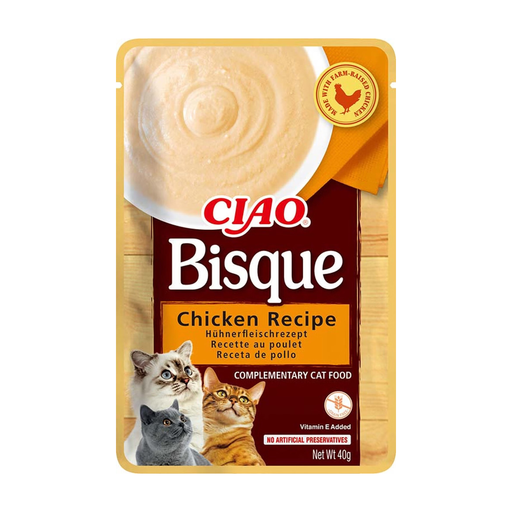
Why this fits the profile: The smooth, liquid texture can be used as a complementary treat or as a topper over the main meal.
The packaging states this is complementary food. This makes it clear that it is not intended as a complete daily meal.
93% moisture according to the product data, creamy texture and chicken as the stated protein source.
We’ve put together a full, up-to-date list of products that fully meet these strict selection criteria and comply with current European safety regulations.
Wet food generally contains more moisture and is sold in pouches, tins, sauce, jelly or pâté. Dry food keeps longer after opening and is easy to weigh out. Both types can be complete cat food; check the product information to be sure. Some cats are fed a combination of dry and wet food.
That depends on the cat’s body weight, activity level, age and the energy value of the product. Use the feeding guideline on the packaging as a starting point and divide the daily amount into several meals. Don’t forget to factor in cat treats and adjust the main meal accordingly.
Cover any leftovers and keep them refrigerated according to the instructions on the packaging. Many products recommend using within 24 to 48 hours. Let wet food come to room temperature before serving and throw away any leftovers if the smell, colour or texture has noticeably changed.
