
Vandaag of morgen in huis

Kwaliteit gegarandeerd

Welkomstaanbiedingen ontgrendelen: GRATIS bezorging | Tot 80% korting | Gratis 30 dagen JoyPlus-proefperiode
Download de app
Buying cat food seems straightforward – until you start comparing labels, flavours, portion sizes and nutritional claims side by side. An attractive packet doesn't always tell you whether the product is suitable as a daily meal. Misunderstandings are especially common with wet cat food, cat kibble and hydrating supplements.
So watch out for these three common pitfalls:
Complete cat food is intended to be given as the main meal within the stated life stage. Supplementary cat food is meant as a treat, topping or extra. For example, INABA Bisque Cat Tuna Recipe 40g and INABA Broth Chicken with Tuna Recipe are described as supplementary foods. They suit a cat that doesn’t drink much or appreciates extra variety, but they are not a replacement for a full meal.
Felix Soup Fish 6×48g is also labelled as a supplementary food for adult cats. The packaging recommends one pouch per 4 kg of body weight per day, as a complement to a balanced diet. Always follow the label and adjust the amount according to the main food.
With cat food with salmon, cat food with tuna or cat food with fish, the exact composition matters. In Felix Double the Tasty Salmon, Sea Fish & Beetroot, the product information states that the total product contains 1.7% salmon and 1.7% sea fish. That’s quite different from a recipe where fish is the main ingredient.
Gourmet Perle Sauce Delight contains varieties with beef, chicken, tuna and salmon. According to the stated composition, each variety contains 4% of the named ingredient. This multipack is therefore mainly interesting for owners who want to alternate flavours, not for those seeking a single source of fish.
Also check the full ingredients list for grains, plant-based protein extracts, meat by-products and oils. A short marketing name doesn’t give you enough information about that.
Wet cat food generally contains more moisture than dry cat food. That can be practical for a cat that doesn’t drink much on its own, but a moist treat or cat soup remains supplementary if it says so on the packaging.
Also pay attention to the form:
For kittens, a product for adult cats isn’t automatically suitable. Choose food that clearly states the correct life stage. IAMS Cat Kitten Ocean Fish 3kg, for example, is specifically described as kitten food, whereas many products below are intended for adult cats.
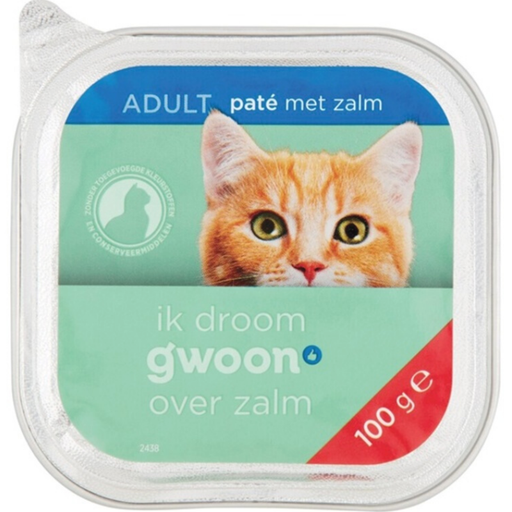
Why this fits the profile: According to the product information, this soft cat pâté is intended as a complete cat food for adult cats. The 100 g pack is a manageable size for anyone wanting to try a flavour first.
The product information clearly states the life stage and its complete nature. This makes it less likely to be confused with a treat or supplementary topping.
Soft pâté texture, salmon as the named ingredient variant and a 100 g portion.
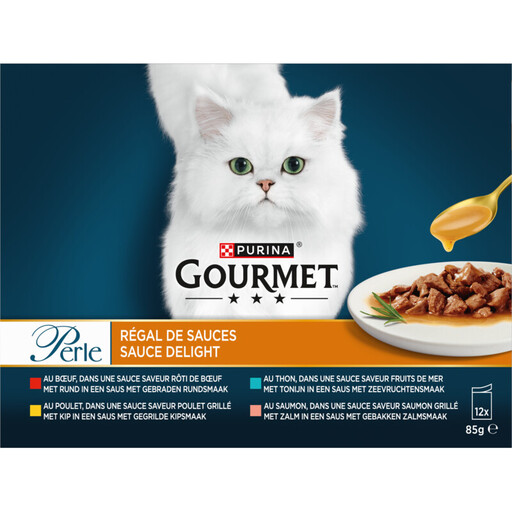
Why this fits the profile: The multipack combines several recipes in sauce and, according to the product information, is a complete cat food for adult cats. That suits households where variety matters.
The composition and the proportion of the named flavours are specified. Do check whether your cat tolerates multiple protein sources well.
12 pouches of 85 g, four flavour varieties and a stated moisture content of 80%.
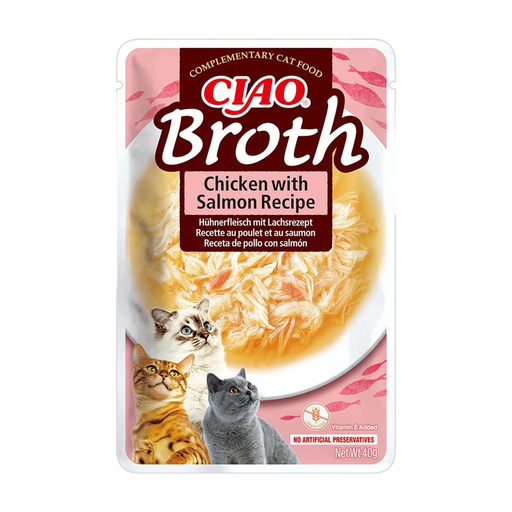
Why this fits the profile: According to the label, this supplementary product contains 93% moisture and can be given directly as a hydrating extra. It’s aimed at cats that don’t drink much.
The product’s status as supplementary food is clearly stated. So use it alongside complete cat food, not as a full daily meal.
50 g per pack, 93% moisture and chicken broth with chicken and salmon as the named ingredients.
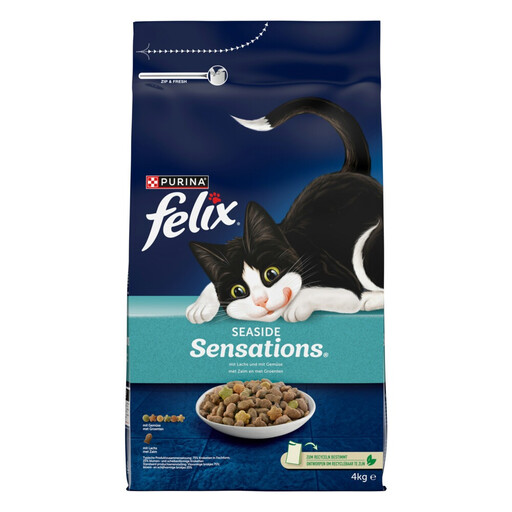
Why this fits the profile: The product information describes this as a complete and balanced dry food for adult cats. The 4 kg pack suits daily use in a household with one or more cats.
The nutritional status and guideline for a 4 kg cat are stated. Measure the portion rather than topping up indefinitely, especially for indoor cats.
4 kg pack, 30% protein according to the product information and a feeding guideline for dry or combined feeding.
We’ve put together a full, up-to-date list of products that fully meet these strict selection criteria and comply with current European safety regulations.
That depends on your cat’s preference, the nutritional status of the product and the daily portion. Wet food generally contains more moisture, while dry food is easy to store and measure. A combination can be practical, as long as you adjust the total amount and use a complete product as the base.
Use the feeding guideline on the packaging as a starting point. The right number of grams or pouches depends on body weight, age, activity level and the energy value of the food. Weigh portions and adjust them when body weight or body condition changes.
Store opened wet food covered in the fridge and follow the time stated on the label. In the product information for several of the products mentioned, the usage period is 24 to 48 hours. Don’t leave wet food at room temperature for long periods, and throw away any leftovers your cat doesn’t eat.
