
Vandaag of morgen in huis

Kwaliteit gegarandeerd

Welkomstaanbiedingen ontgrendelen: GRATIS bezorging | Tot 80% korting | Gratis 30 dagen JoyPlus-proefperiode
Download de app
A bag or pouch of cat food might seem like a quick choice. Yet there are big differences between complete cat food, complementary food, wet cat food and dry cat food. An appealing flavour name, moreover, tells you very little about the overall composition. If you only look at “chicken”, “premium” or “high protein”, you could end up buying a product that doesn’t suit your cat’s age, daily needs or eating habits.
The packaging often shouts “chicken and turkey” or “with fish”. Always check the ingredients list afterwards. This lists the components in descending order. The percentage of the named animal ingredient can be limited. For example, some products mention just 4% chicken or turkey in the pieces, while the overall composition is much broader.
A clear flavour can be nice for variety, but it’s not an automatic sign of a suitable daily food.
Not every cat food is complete. A broth or treat can contain a lot of moisture and appeal to fussy cats, yet still be intended as a complementary food. For instance, the INABA Broth Chicken with Tuna Recipe is described as complementary pet food. This product is therefore not a replacement for complete wet cat food or a full kibble diet.
A large pack might seem good value, but it isn’t always practical for one cat. Once opened, many wet foods need to be kept refrigerated and, according to the product information, often used within two days. Small portions, such as 50 g pouches or 85 g trays, help reduce leftovers. If you have multiple cats, a multipack of cat food can be more convenient.
First, check whether the product is intended for kitten food, adult cat food or senior cat food. Kittens have different nutritional needs to adult animals. A product for kittens aged 6 to 52 weeks, such as Felix Double as Nice Junior Chicken, Turkey & Milk, should not simply be chosen as a standard food for an adult cat.
Also check the legal description on the label:
If you are unsure about a diet, allergy or medical condition, it is wiser to consult a vet than to rely solely on marketing claims.
Don’t just compare protein percentages between wet and dry food. Wet food contains a lot of moisture, so the percentage on the label works out differently to dry food. Look out for:
According to the product description, Gourmet Mon Petit Intense Poultry contains, for example, 81.5% moisture, 12% protein and 2.8% fat. The packaging remains the leading source for the current data and feeding guidelines.
Your cat’s preference plays a practical role. Cat food in sauce, cat food in jelly and cat mousse each have a different texture. A cat that accepts soft food may find mousse easier to eat than kibble. Another cat may prefer crunchy pieces.
Also pay attention to the packaging:
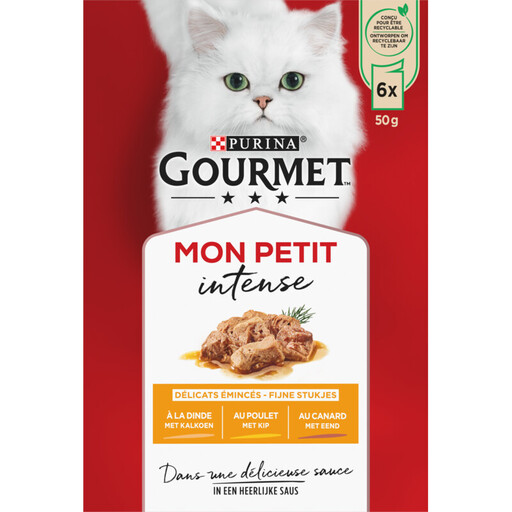
Why this fits the profile: The 50 g portions are straightforward for anyone choosing wet food for the first time and wanting to offer different flavours without large leftover containers.
The product description states it is complete wet food for adult cats and gives a specific portioning instruction. Do check this again on the packaging.
50 g per meal; varieties with chicken, duck and turkey; 81.5% moisture according to the product data.
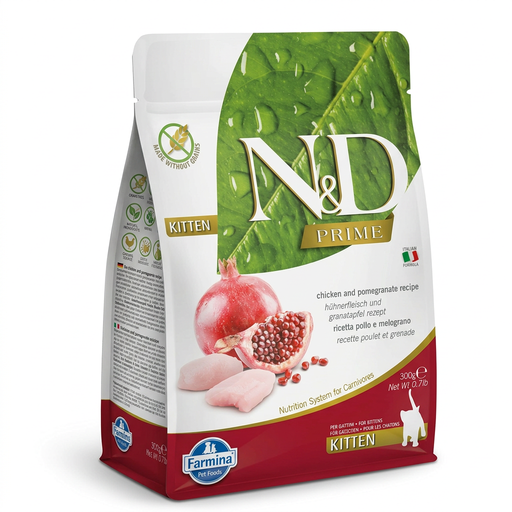
Why this fits the profile: This is aimed at kitten food and suits owners who consciously look for a diet tailored to a specific life stage.
The product information explicitly mentions kittens and complete, balanced food. This makes the life stage clearer than with a general flavour variant.
300 g pack; chicken as the main flavour; according to the product description, a grain-free composition.
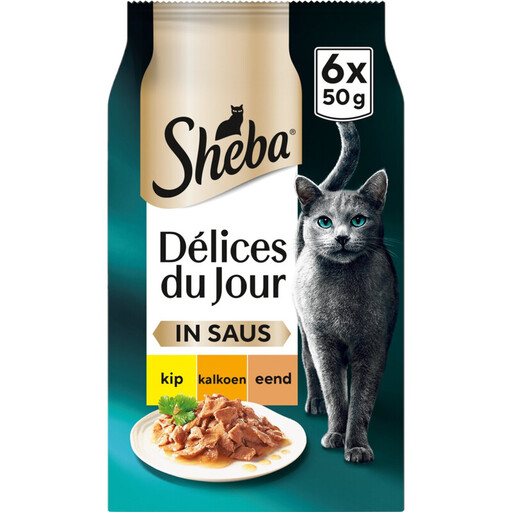
Why this fits the profile: Handy portions and multiple variants suit households where wet food is given regularly or where flavour variety is important.
The product details state it is complete wet food for adult cats, with portioning guidelines and instructions to refrigerate after opening. This makes usage and storage clearly described.
12 portions of 85 g; varieties with turkey, chicken, tuna, salmon and white fish according to the product information.
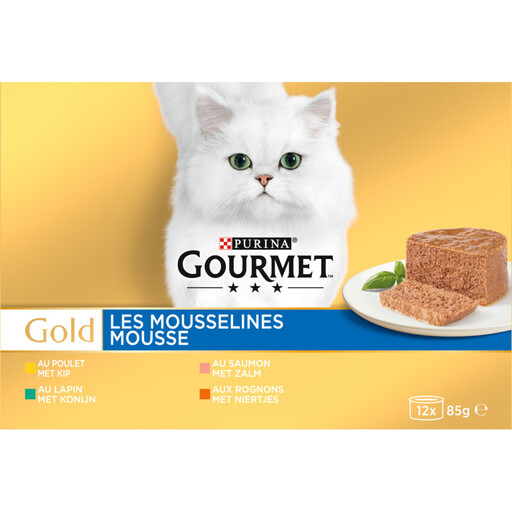
Why this fits the profile: The soft mousse texture is suitable for cats that don’t want pieces in sauce or jelly.
The product description states it is complete for adult cats. Check the current packaging if you intend to use it as a daily food.
Soft mousse; multipack with different flavours; portions in tin format for adult cats.
We’ve put together a full, up-to-date list of products that fully meet these strict selection criteria and comply with current European safety regulations.
That depends on your cat’s preference, the nutritional status of the product and your daily routine. Wet food generally contains a lot of moisture and is available in sauce, jelly or mousse. Dry food keeps longer after opening and is easy to weigh out. With both types, check whether the food is complete and suitable for the correct life stage.
Always use the feeding guideline on the packaging as a starting point. The amount depends on factors including body weight, activity, age and the combination of wet and dry food. The guideline for a 4 kg cat can vary by brand and product. Count treats and adjust the portion according to your cat’s body condition.
Follow the instructions on the label. Many opened wet foods need to be covered and stored in the fridge, and used within two days. Some complementary broths have a shorter period, for example 24 hours. Don’t leave leftovers in the bowl for a long time and serve wet food at room temperature if possible.
