
Vandaag of morgen in huis

Kwaliteit gegarandeerd

Welkomstaanbiedingen ontgrendelen: GRATIS bezorging | Tot 80% korting | Gratis 30 dagen JoyPlus-proefperiode
Download de app
A bag of kibble or a multipack of wet food might seem like a quick choice. Yet products vary greatly in their composition, nutritional value, portion size and suitability for your cat's life stage. An appealing flavour name, for example, doesn't always mean that meat makes up a large proportion of the recipe.
Three common pitfalls to watch out for:
The label should clearly state whether the product is complete food or complementary food. Complete cat food is formulated to serve as a daily meal, following the instructions for use. A treat like INABA Churu or Whiskas Temptations, on the other hand, is complementary food.
Also pay attention to the target group:
The ingredients list and analytical constituents provide verifiable information. With cat food that contains beef, it's useful to see exactly how much beef is actually stated. In several variants from the range, for example, 4% beef is listed for that particular recipe, while the rest consists of meat and animal derivatives, fish products, cereals or vegetable protein extracts.
That doesn't necessarily make the product unsuitable, but it prevents you from having the wrong expectations. A product with "beef" on the packaging isn't automatically a single-protein beef meal.
For dry cat food, pay attention to:
For wet cat food, the moisture content, portion size and storage instructions are particularly important in practice. Gourmet Perle Mini Fillets, for example, states 80% moisture and a portion of 85 grams per pouch.
A large multipack of cat food may seem like good value, but the actual cost depends on the daily portion. Gourmet Perle Mini Fillets contains 60 pouches of 85 grams. According to the product information, the guideline for an adult cat weighing 4 kg is three to four pouches per day, divided into at least two meals.
Dry food often has a lower price per meal, but wet food generally contains more moisture. You could also consider a combination of both types of food. Follow the guidelines on the packaging and reduce the portion when combining wet and dry food.
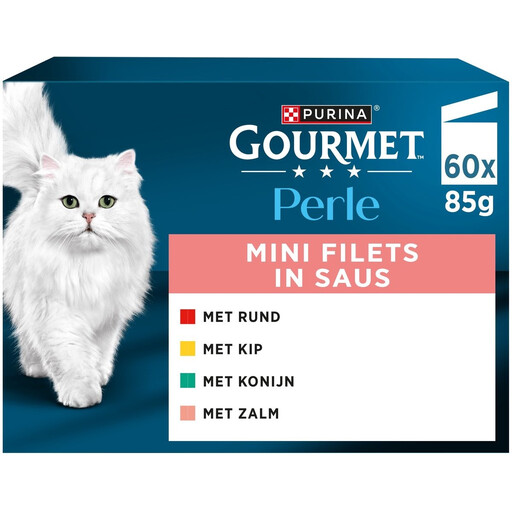
Why this suits the profile: The multipack contains four variants in 85-gram pouches. That's handy when you want to try different flavours without buying several separate packs straight away.
The product information states it's complete food for adult cats and gives a clear amount per pouch. This makes it easier to keep track of the daily portion.
60 pouches of 85 grams, 80% moisture and multiple flavours in one pack.
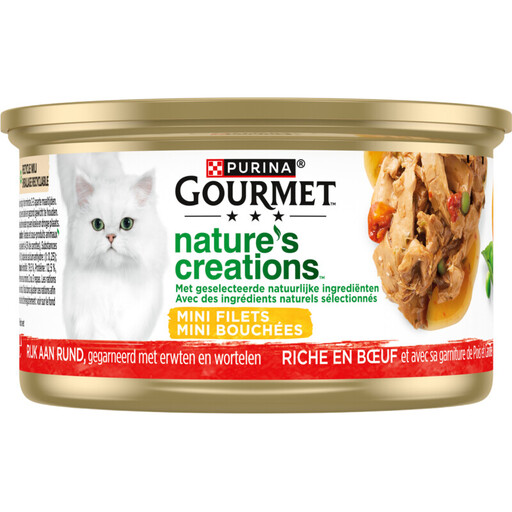
Why this suits the profile: This complete food for adult cats comes in an 85-gram portion and has a soft texture with beef as the stated flavour variant.
The composition states 14% beef within the stated meat and animal derivatives, plus 79.5% moisture and 12.5% protein. You can therefore base your product choice on the label information.
Complete food, soft texture and a single-serving pack of 85 grams.
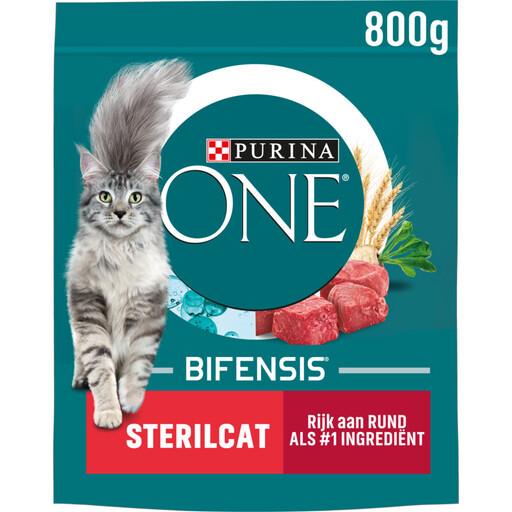
Why this suits the profile: According to the product information, this dry food is intended for neutered adult cats and comes in a resealable 800-gram bag.
The packaging lists separate feeding guidelines per weight category. That helps you avoid simply scooping by feel.
37% crude protein, 13% fat and separate guidelines for neutered adult cats.
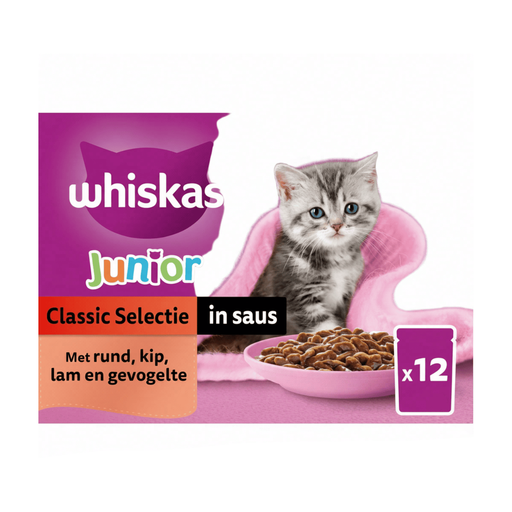
Why this suits the profile: This multipack is intended as complete wet food for kittens and contains four flavour variants in 85-gram pouches.
The packaging explicitly states it's kitten food and gives separate guidelines for different ages. This prevents you from using adult cat food as growth food.
12 pouches, 84% moisture and feeding guidelines for kittens up to 12 months.
We've put together a full, up-to-date list of products that fully meet these strict selection criteria and comply with current European safety regulations.
Neither type of food is automatically suitable for every cat. Wet food generally contains a lot of moisture and is often sold in individual portions. Dry food has a longer shelf life after opening and is easy to weigh out. Above all, look at the complete food label, the life stage and the daily amount. With dry food, always make sure your cat has access to fresh drinking water.
First, follow the guideline on the packaging and divide the daily amount into several meals. With Gourmet Perle, for example, feeding at least twice a day is recommended. Adjust the portion according to weight, activity level and body condition. If you're unsure about the right amount or a special dietary need, consult your vet.
Store unopened cat food according to the instructions on the packaging, usually in a cool, dry place. An opened wet food pouch or tin should be covered, kept in the fridge and used within the stated time. Dry food stays fresher for longer if you seal the bag properly. Always check the specific storage and shelf-life information for the product you've chosen.
