
Vandaag of morgen in huis

Kwaliteit gegarandeerd

Welkomstaanbiedingen ontgrendelen: GRATIS bezorging | Tot 80% korting | Gratis 30 dagen JoyPlus-proefperiode
Download de app
A well-stocked cupboard full of cat food does not automatically mean your cat is getting the right food. Packaging often features appealing terms such as “with chicken”, “with fish” or “for a healthy coat”, while the actual composition can vary considerably. A large pack is not always better value either if your cat does not like the food or it quickly loses its freshness after opening.
The main pitfalls when choosing cat food are:
Wet food generally contains a lot of moisture and is sold in pouches, trays or tins. You will find cat food in jelly, cat food in sauce and pâté. The texture can be important for fussy cats, as well as for the practicalities of feeding.
Pay attention to the difference between:
Dry food is easy to portion and stays fresh for longer after opening when the bag is properly sealed. However, check the recommended quantity in grams. A cat can consume too many calories without you noticing when dry food is available all day.
Combining wet and dry food can be practical. If you do this, follow the combination-feeding guidelines on the packaging and include snacks in the daily amount. Always provide fresh drinking water.
First, check whether the product is intended for:
Do not treat a product claim about its effects as fact without a source. Based on Purina’s own research, Purina One Sensitive states that stool odour may decrease by 24% in 14 days. This is a brand claim, not a general guarantee for every cat.
Ingredients are listed in descending order. If “chicken” or “salmon” appears near the top, that tells you more than a picture of fish or poultry on the packaging. Also check the stated percentage. According to the product information, each named Felix Original Mix variant contains 4% of the highlighted ingredient, such as beef, chicken, tuna or salmon.
With dry food, you will often see cereals, animal by-products, oils and minerals. That does not automatically make a product unsuitable. Look at the full composition, the analytical constituents and whether it is described as complete food.
A multipack of cat food, such as 44 × 85 grams, is convenient for households that feed wet food every day. According to the product details, the Felix pack contains a total of 3.74 kg. For an adult cat weighing around 4 kg, this product lists a maximum of three pouches per day, but the actual amount depends on age, activity level and body condition.
Pack size is also relevant for dry food. An 800-gram bag is suitable for checking whether your cat accepts the food first. A 2 or 4 kg bag can reduce the price per kilo, but store the food in an airtight container or sealed bag in a dry place.
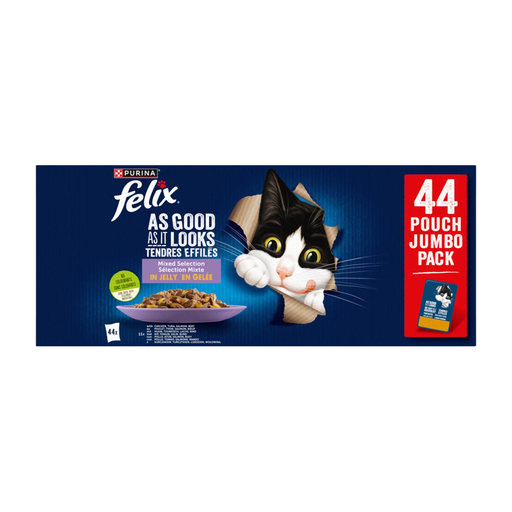
Why it suits this profile: This large multipack contains 85-gram portion pouches with different flavours and is intended for adult cats.
The product information states that this is complete wet food and includes daily feeding guidelines. Always check the portion for your cat.
44 individual pouches, jelly and varieties with beef, chicken, tuna and salmon.
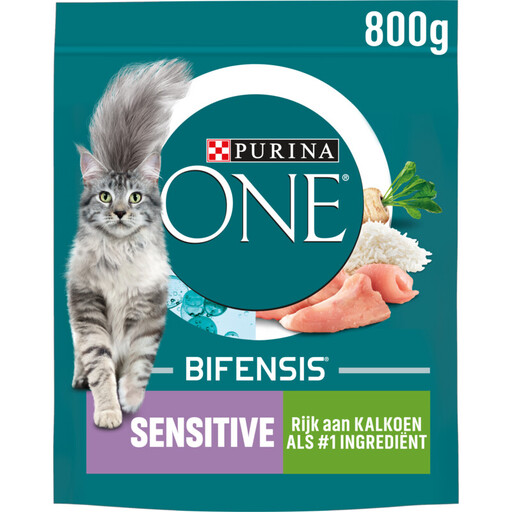
Why it suits this profile: This is complete dry food for adult cats, with turkey as the first ingredient and no added wheat according to the product description.
The composition and intended audience are clearly stated. The claim about the gut microbiome comes from Purina’s product information.
800 g pack, turkey as the first ingredient and a complete formula for adult cats.
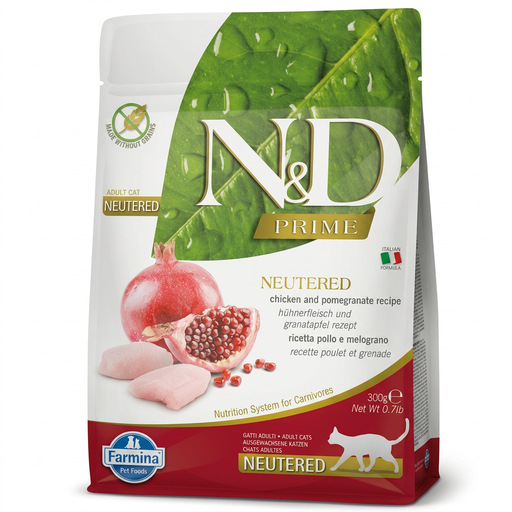
Why it suits this profile: This small pack is aimed at sterilised cats and states a protein content of 38%, along with a daily feeding guideline in grams.
The intended audience is not just a marketing term: the label gives separate portions for cats weighing 2 to 6 kg.
Chicken and herring in the ingredients list, 300 g to try first and a formula for sterilised cats.
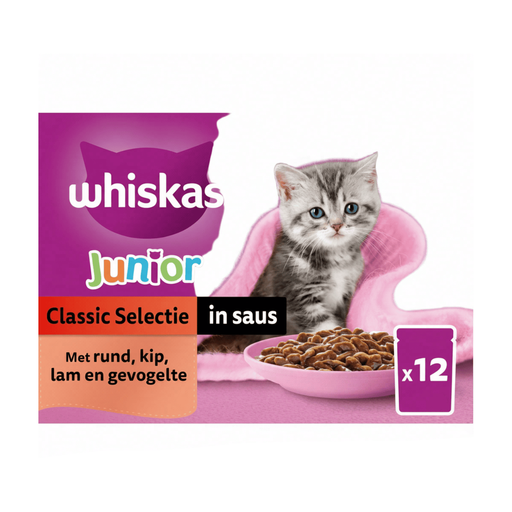
Why it suits this profile: This multipack is intended for kittens and includes portion information for different ages from 3 to 12 months.
The packaging clearly states that this is complete wet food for kittens, not adult cat food.
12 pouches of 85 g, a sauce texture and a feeding schedule for each kitten age.
We have put together a complete, up-to-date list of products that fully meet these strict selection criteria and the applicable European safety regulations.
That depends on the daily portion, the product and the pack size. Dry food often has a lower price per kilogram and stays usable for longer after opening. Wet food comes in small portions, so you are less likely to have leftovers. Always compare the price per 100 grams as well as the recommended daily amount.
Always follow the label. Many opened portions of wet food should be covered, stored in the fridge and used within 24 to 48 hours. Dry food remains usable for longer when the bag is properly sealed and stored somewhere cool and dry. Throw food away if it smells unusual, has changed colour or has been left out of the fridge for too long.
Continue with kitten food for as long as the packaging states that it is intended for the kitten life stage. After that, gradually switch to food for adult cats. Mix the new food with the old food over approximately 5 to 7 days, unless the label gives different instructions. If symptoms persist, your cat has a known food allergy or it has a medical condition, consult a vet.
