
Vandaag of morgen in huis

Kwaliteit gegarandeerd

Welkomstaanbiedingen ontgrendelen: GRATIS bezorging | Tot 80% korting | Gratis 30 dagen JoyPlus-proefperiode
Download de app
A bag of cat food might seem straightforward to choose at first glance. Yet the wrong purchase can quickly lead to waste, a cat that turns its nose up at dinner, or a feeding plan that doesn't suit its life stage. Especially with kitten food, wet cat food and cat treats, the claims on the packaging can sometimes be made to sound more important than the basic information you really need.
Three common pitfalls to watch out for:
First, look for the legal description. "Complete pet food" means the product can be given as a main food for the stated species and life stage, according to the instructions for use. If it says "complementary pet food", then it's a supplementary food.
This difference matters for:
For example, INABA CHURU CAT Chicken states that it is a complementary food. According to the product information, the composition contains 90.5% moisture and 6 calories per treat. That makes it suitable as a snack or topper, but not as a replacement for a complete food. The same applies to INABA Bisque Cat Chicken Recipe and the INABA Fun Bites varieties.
A kitten has different nutritional needs to an adult cat. So, check whether the packaging states that the food is suitable for kittens, adult cats, or multiple life stages.
The product information for Purina One Junior Kitten Food Chicken & Grain Formula 800g states use from weaning up to 12 months, and for pregnant or nursing cats. Farmina N&D Ocean Kitten Cod is described as a complete food for kittens and for pregnant or nursing cats. For both products, you need to adjust the portion according to age, weight and activity.
Also pay attention to the transition. Gradually mix the new and old food, and keep an eye on your cat's stools, appetite and body condition. If problems persist, it's wise to seek advice from a vet.
Wet food generally contains more moisture than dry food. That can be handy for cats that don't drink much, but a high moisture percentage doesn't automatically mean the product is a complete food. For instance, INABA Fun Bites Cat Chicken Wraps Tuna states 93% moisture, but it is a complementary food.
So, always compare:
"Grain-free cat food" might be a preference for some households, but grain-free on its own is no guarantee of a better choice. Look at the complete composition and its suitability for your cat.

Why this fits the profile: The 800g pack is a manageable size for anyone wanting to try kitten food first without committing to a large stock.
The product information clearly states that it is a complete food for kittens, with guidelines from weaning up to 12 months.
According to the product specification, the formula contains chicken, DHA and added vitamins and minerals.
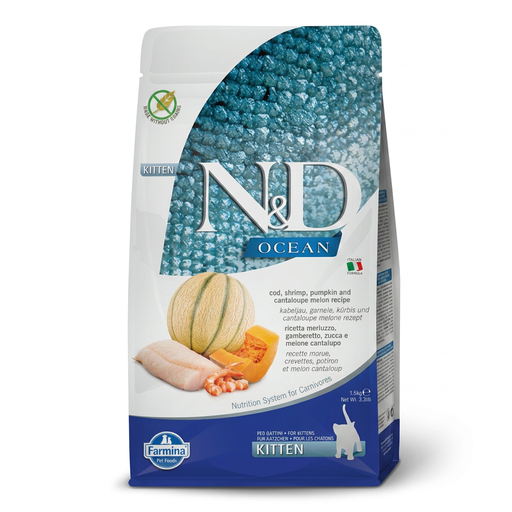
Why this fits the profile: This kitten food suits anyone looking for a grain-free formula with fish as a prominent protein source.
The product page states the life stage and provides a seven-day transition guide. This makes it clear how to manage the changeover.
According to the product specification, the food contains a minimum of 44% crude protein, a minimum of 20% fat, and a stated DHA and EPA content.
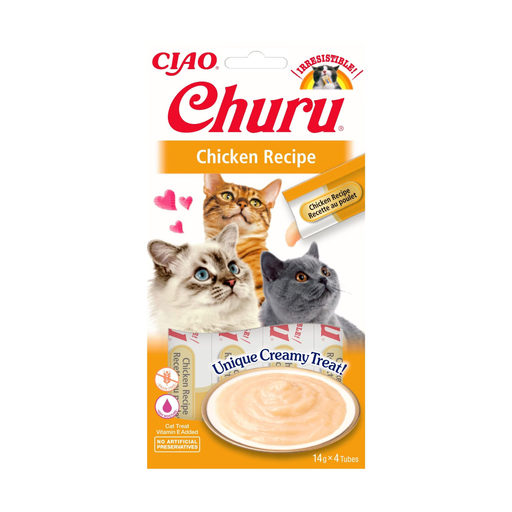
Why this fits the profile: Handy if you're looking for a small, soft snack for interactive feeding, as a topper, or for giving medication.
The product description explicitly mentions it is a complementary food. This makes it clear that you use the snack alongside a complete cat food.
According to the product information, one treat contains approximately 6 calories and 90.5% moisture. Once opened, the product must be refrigerated and used within 24 hours.
We've put together a full, up-to-date list of products that fully meet these strict selection criteria and comply with current European safety regulations.
Wet food usually contains more moisture and is often sold in individual portions. Dry food has a longer shelf life once opened and is easy to measure out. The right choice depends on your cat's preference, your feeding schedule, and whether the product is labelled as complete. You can combine both, as long as you adjust the total daily amount.
Follow the guidelines on the packaging and divide the daily portion into several meals for young kittens. The amount will change as your kitten gets heavier and more active. Use treats sparingly and deduct them from the total food allowance.
No. Cat treats are supplementary and not necessary when the main food is complete. However, they can be used as a reward or topper. Always check the portion size, composition and storage instructions, especially for hydrating cat snacks and soft products.
