
Vandaag of morgen in huis

Kwaliteit gegarandeerd

Welkomstaanbiedingen ontgrendelen: GRATIS bezorging | Tot 80% korting | Gratis 30 dagen JoyPlus-proefperiode
Download de app
As a Product Recommendation Officer at Joybuy, I see the sheer volume of cat food choices on a daily basis. The shelves, both in-store and online, are overflowing. This abundance doesn't make the decision any easier. Many packages make grand promises, but what is truly important for your cat? It's a waste of money to come home with food your cat won't touch or, even worse, that doesn't meet their needs. Let's go over the most common pitfalls so you can make an informed choice.
The 3 Pitfalls of Buying Cat Food:
To see through the marketing jargon, it's helpful to know what to focus on. These three points will help you translate the specifications on the packaging into what's good for your cat.
The choice between wet cat food and dry cat food (kibble) is more than a matter of preference. Both have distinct advantages.
A combination of both is often recommended: dry kibble as a base and a portion of wet food for extra moisture and variety.
The ingredient list is arranged in order of weight, so the first ingredient is the most prominent. Pay attention to the following:
A cat's nutritional needs change throughout its life.
Based on objective product specifications, we have selected a few options that suit different cats and their owners.
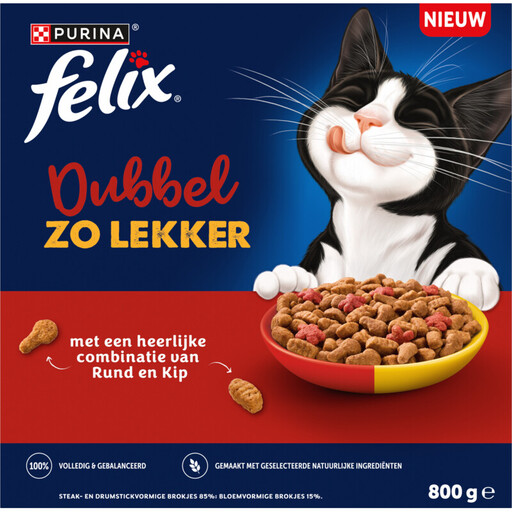
Why This Fits Their Persona: An affordable option from a well-known brand. This dry kibble provides a complete and balanced meal, ideal for those watching their budget but still wanting a reliable product.
This food sidesteps the false economy trap. It is a complete food, meaning your cat gets all the necessary nutrients without you needing to buy extra supplements.
The mix of two different kibble shapes (steak & drumstick) provides textural variety, which can keep mealtime interesting for your cat.
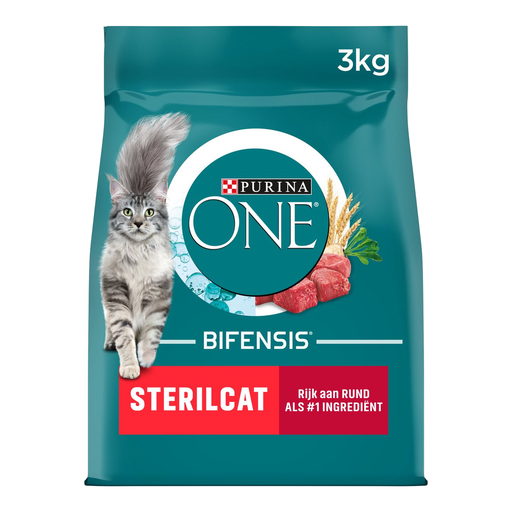
Why This Fits Their Persona: Specially formulated for the unique needs of sterilised or neutered cats. Ideal for owners who want to proactively support their cat's health.
This food tackles the "one-size-fits-all" myth. It is specifically tailored to the slower metabolism after sterilisation, which helps manage weight gain.
According to the manufacturer, this food has a higher protein-to-fat ratio (+15% compared to their Adult formula) to support a healthy weight. Beef is the first ingredient.
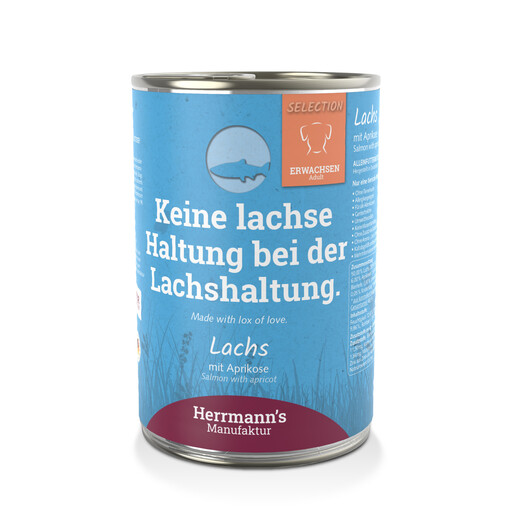
Why This Fits Their Persona: For the owner who wants the very best and values high-quality, traceable ingredients. This wet food is a treat for the cat with a refined palate.
This product is the opposite of the "flavoured with..." trap. The ingredient list is transparent and shows a composition of 50% salmon, so you know exactly what you are feeding.
Contains a high meat percentage and uses certified organic ingredients like potato and apricot. A recipe with a clear focus on natural quality.
We have compiled a complete, real-time list of products that fully satisfy these strict selection criteria and UK safety regulations.
Switching to a new food should be done gradually to prevent stomach upset. Over 7 to 10 days, mix increasing amounts of the new food with the old food. Start with 25% new and 75% old, and slowly increase the ratio until your cat has fully transitioned.
This depends on your cat's weight, age, and activity level. The feeding guidelines on the packaging of both the wet and dry food are the best starting point. If you are combining them, you could, for example, give half the recommended daily amount of each. Keep an eye on your cat's weight and adjust the portions as needed.
Not necessarily. A higher price often reflects the quality and cost of the ingredients (e.g., a high percentage of fresh meat versus grains). However, the most important factor is not the price, but whether the food meets your cat's specific needs. A food that is perfect for one cat may not be for another. Look at the ingredients and the analytical constituents (protein, fat, etc.) to determine if the product is suitable.
