
Vandaag of morgen in huis

Kwaliteit gegarandeerd

Welkomstaanbiedingen ontgrendelen: GRATIS bezorging | Tot 80% korting | Gratis 30 dagen JoyPlus-proefperiode
Download de app
As a cat owner, you naturally want the best nutrition for your pet. But the shelves are packed with bags and cans all making lofty promises. This can make choosing the right cat food feel unnecessarily complicated. Many marketing terms sound appealing, but what do they really mean?
As a Product Recommendation Officer at Joybuy, I filter the information to help you cut through the noise. In this guide, we'll discuss the most common pitfalls and give you practical tools to make an informed choice that suits both your cat and your budget.
Before you make a choice, it's helpful to know where things often go wrong. Many cat owners unknowingly fall into the same traps, leading to unsuitable food or unnecessary expenses.
You don't need to be a nutritionist to make the right choice. Paying attention to a few key points will get you most of the way there.
The choice between wet cat food and kibble is a common dilemma. Both have their own advantages.
A combination of both is often recommended: kibble as the base and wet food as a tasty and hydrating supplement.
Cats are carnivores and require animal-based proteins. Check the ingredients list: the first ingredient should be a clear animal protein source, such as 'chicken (17%)' or 'dehydrated poultry protein'. Foods that start with grains or 'vegetable protein extracts' are typically of lower quality.
Always match the food to your cat's life stage and condition:
Below is a selection of products that align well with different needs, based on their specifications.
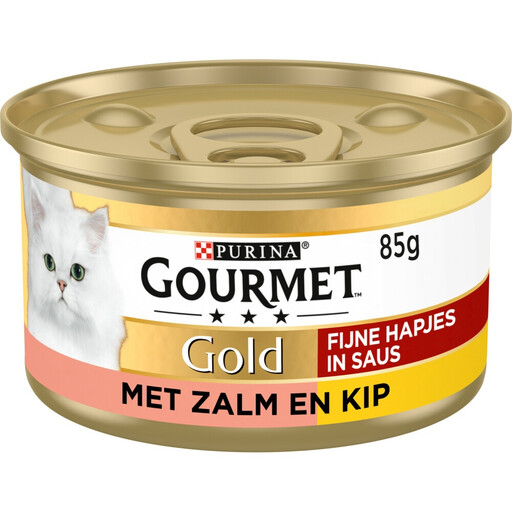
Why This Fits Their Persona: Ideal for owners of picky cats who appreciate variety and a refined texture. The small cans ensure every meal is fresh, and the combination of flavours keeps things interesting.
This product clearly positions itself as a premium meal focused on taste, not as a budget bulk food. The expectations are clear: it's all about texture and the taste experience.
Complete and balanced nutrition in a convenient single-serving pack. The high moisture content (82%) contributes to your cat's hydration.
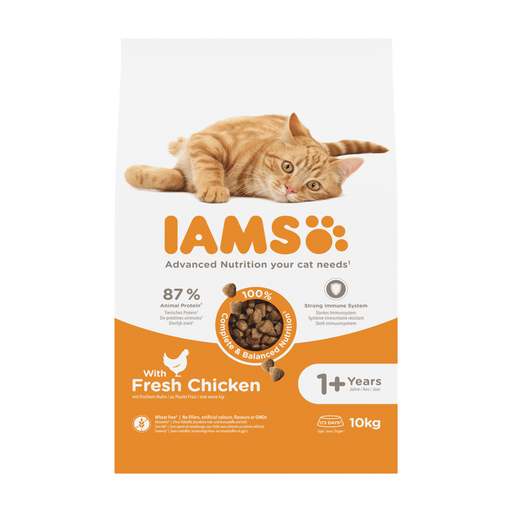
Why This Fits Their Persona: For the owner who seeks a reliable, complete food and prefers to buy in bulk for a good price. This 10kg bag offers excellent value for money for adult cats.
This food bypasses the "one-size-fits-all" trap by being clearly targeted at adult cats (1+ years). Its focus on a high percentage of animal protein is an objective marker of quality.
According to Iams, this food contains 87% animal protein to support strong muscles. The bulk packaging is economical and ensures you have a long-lasting supply.
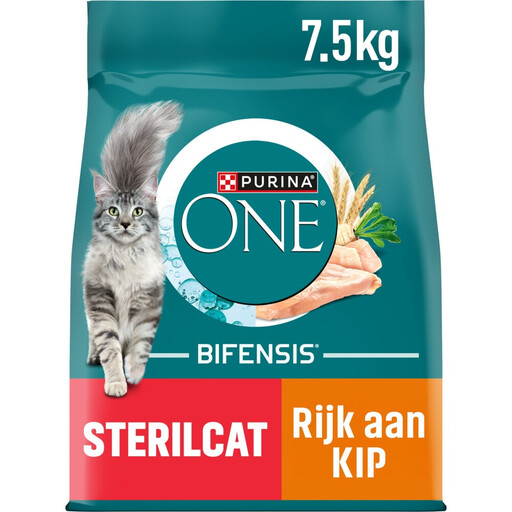
Why This Fits Their Persona: Specifically for owners of neutered or sterilized cats. This food is formulated to help with weight management and support the urinary tract, two common concerns after the procedure.
This is the opposite of a "one-size-fits-all" product. It targets a specific need, thereby preventing the common problem of weight gain in sterilized cats.
Features an adjusted protein/fat ratio (37%/13%) for weight management. The balanced minerals are designed to support a healthy urinary tract.
We have compiled a complete, up-to-date list of products that meet these selection criteria and our quality standards.
A sudden change in diet can cause gastrointestinal upset. A gradual transition is recommended. Over a period of 7 to 10 days, mix a little more of the new food with the old food each day until your cat has fully switched over.
This depends on your cat's weight, age, and activity level. Always refer to the feeding guide on the packaging. An average 4 kg adult cat needs about 3 to 4 cans or pouches of 85 grams per day if eating only wet food. If you combine wet and dry food, adjust the amounts accordingly.
Not necessarily. Unless your veterinarian has diagnosed a grain allergy, cats can digest grains perfectly well and use them as an energy source. The quality and quantity of the animal protein source are often more important than the presence or absence of grains. Focus on a food with a high-quality animal protein as the main ingredient.
