
Vandaag of morgen in huis

Kwaliteit gegarandeerd

Welkomstaanbiedingen ontgrendelen: GRATIS bezorging | Tot 80% korting | Gratis 30 dagen JoyPlus-proefperiode
Download de app
As a Senior Product Editor at Joybuy, I see the sheer volume of cat food options available every day. The shelves, both online and offline, are packed with products all promising to be the best for your cat. But how can you tell what's genuinely good from what's just clever marketing? It's easy to get lost in claims about "gourmet" meals or "natural" ingredients. This guide will help you make the right choices, without the fuss.
Before we dive into what to look for, let's first discuss the common traps many cat owners fall into. By recognising these, you'll not only save money but also provide better care for your cat.
To see through the marketing, focus on a few objective specifications. These are always listed on the packaging and provide an honest picture of the quality.
Cats are natural carnivores, so their diet must be rich in animal protein.
Your cat's nutritional needs change with age and activity level.
There's no single answer as to which is better; both have their advantages.
A combination of both can offer a good balance of hydration, convenience, and dental care.
Below is a selection of products that suit different types of cat owners, based on their specifications.
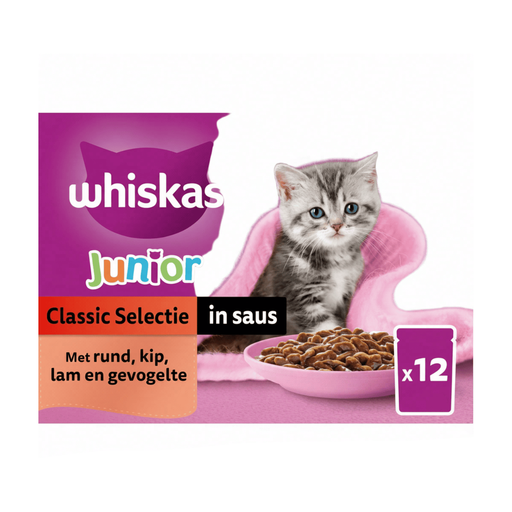
Why This Fits Their Persona: This is a practical choice for anyone who has just got a kitten. The nutrition is specifically tailored for growth, the value pack is convenient, and the different flavours provide variety.
This product tackles the "one-size-fits-all" pitfall by offering a formula explicitly designed for kittens (2-12 months), with the right nutrients for their development.
Complete wet food that covers a kitten's daily needs. Contains added vitamins and taurine. The multipack with different flavours is ideal for young, sometimes picky, eaters.
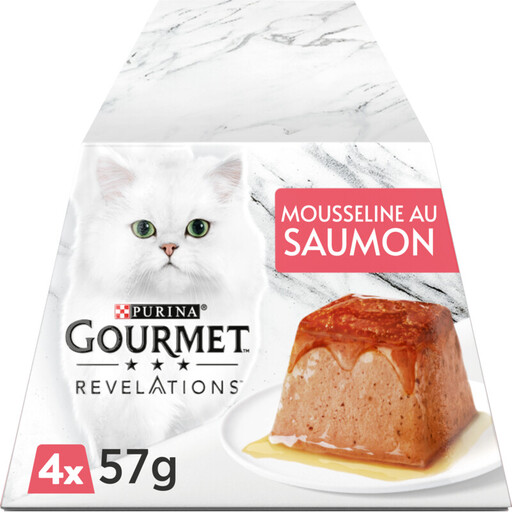
Why This Fits Their Persona: For the cat that turns its nose up at standard food. The presentation as an elegant mousse with a cascading gravy turns every meal into an indulgent moment. This is a typical example of gourmet cat food that lives up to its promise of luxury in texture and taste.
Although it carries the "gourmet" name, the product delivers a unique texture and presentation that transcends the marketing. It's honest about what it is: a complete meal that feels like a treat.
Very high protein content for a wet food (13.0%). The unique pyramid shape with gravy is appealing to picky eaters. It is a complete food, not just a snack.
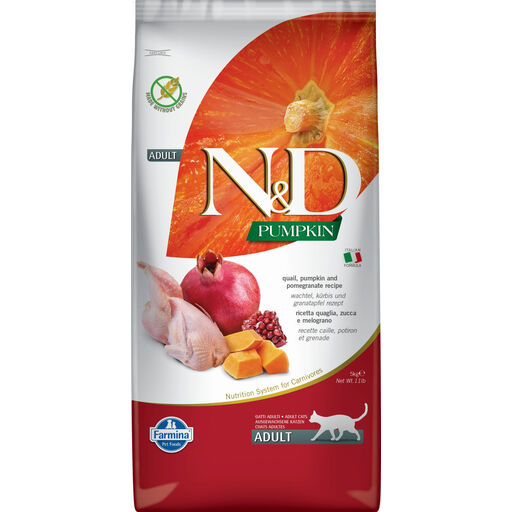
Why This Fits Their Persona: This owner reads labels and wants to know exactly what's in their cat's food. This product is a perfect match, with a clear, high-quality ingredients list and a focus on natural, functional additives.
This product bypasses the "grain-free" hype by not only omitting grains but replacing them with a functional ingredient (pumpkin) instead of cheap fillers. The focus is on a high percentage of animal protein.
Extremely high protein content (36%), of which 96% is of animal origin. Grain-free formula with quail as a specific protein source. The addition of pumpkin supports healthy digestion.
Specifically looking for food for your youngest companion? We've compiled a complete, up-to-date list of products that meet the strict selection criteria for kittens.
Switching to a new food should be done gradually to prevent digestive upset. Over a period of 7 to 10 days, mix an increasing amount of the new food with the old food. Start with 25% new and 75% old, and slowly increase the ratio until your cat is fully on the new diet.
This depends on your cat's weight, age, activity level, and the specific product. The packaging always includes a feeding guide as a guideline. For an average adult cat of 4 kg, this often amounts to about 3 to 4 pouches of 85 grams per day, divided into at least two meals. Adjust the amount to maintain a healthy weight for your cat.
Not necessarily. Grain-free cat food is essential for cats with a diagnosed grain allergy or intolerance. For most cats, grains in small amounts are not a problem and can be a source of energy. It's more important to look at the overall composition, especially the quality and quantity of animal proteins, than to focus solely on the absence of grains.
