
Vandaag of morgen in huis

Kwaliteit gegarandeerd

Welkomstaanbiedingen ontgrendelen: GRATIS bezorging | Tot 80% korting | Gratis 30 dagen JoyPlus-proefperiode
Download de app
The cat food aisle can be overwhelming. Dozens of brands, flavours, and colourful packages all promise the best for your cat. But how do you know which kibble is genuinely suitable? Many owners unknowingly fall for marketing traps and choose food that isn't optimal for their pet. Whether you're looking for cat food or the right dog food, reading the label is crucial.
As a Product Recommendation Officer at Joybuy, I see the choices people make every day. In this guide, I'll help you avoid the most common pitfalls and explain what to look for, so you can make an informed decision for your cat.
Before we get to the recommendations, it's important to know where things often go wrong. Pay attention to the following points to avoid wasting money on the wrong food.
You don't need to be a nutritionist to make the right choice. By paying attention to a few key specifications, you can make a great decision.
Cats are natural carnivores. Their bodies are built to process animal proteins. Therefore, always check the first ingredient on the package. Is the first ingredient chicken, salmon, or beef? That's a good sign. If the first ingredient is grains or a vague description like "meat and animal derivatives," the quality is often lower. A high percentage of crude protein, preferably from a clear animal source, is a key indicator of quality dry food for your cat.
A cat's nutritional needs change throughout its life. Manufacturers develop specific formulas to address this.
On every package, you'll find a table of 'analytical constituents'. These are the objective values of the food. The most important are:
Below are some popular choices from our range, matched to specific profiles. These aren't "winners," but examples of products that align well with certain needs.
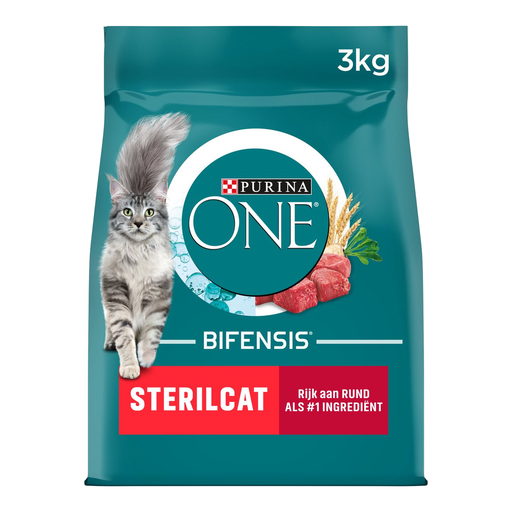
Why it's a good fit: This food is specially formulated for the metabolic changes that occur after sterilisation. It helps with weight management and supports urinary tract health—two common concerns for sterilised cats.
This isn't a 'one-size-fits-all' food, but a targeted formula for a specific need. The ingredient list is clear: beef is the first ingredient.
Supports a healthy metabolism and weight management with a higher protein-to-fat ratio (+15% compared to the Adult formula, according to Purina).
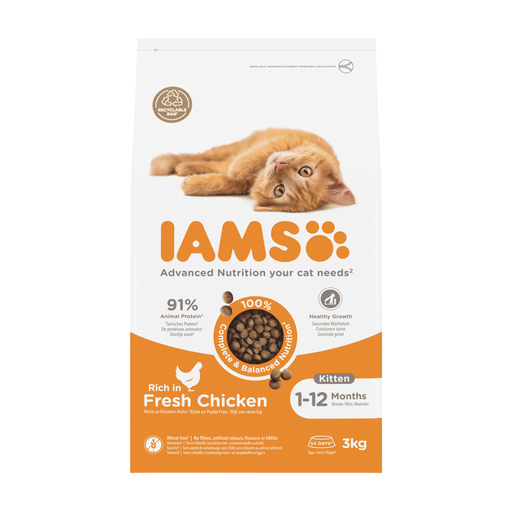
Why it's a good fit: Kittens grow incredibly fast and need the right fuel to do so. This food is rich in animal protein and contains DHA, a nutrient also found in mother's milk that contributes to brain development.
This food is specifically tailored to the growth phase, avoiding the 'one-size-fits-all' pitfall. According to Iams, it contains 91% animal protein, demonstrating a focus on quality ingredients.
Contains essential minerals and vitamin D for building strong bones and muscles, plus DHA to support healthy brain development.
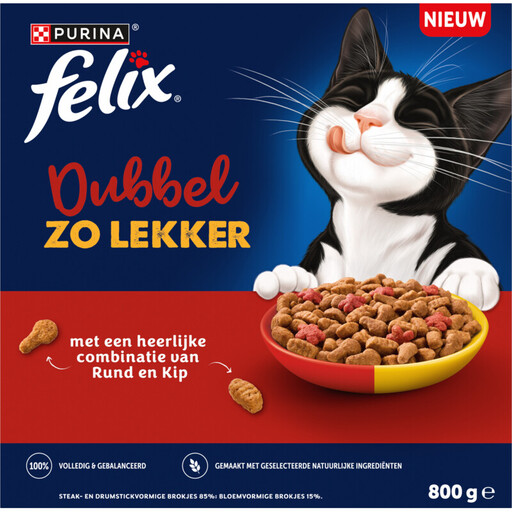
Why it's a good fit: For those on a tighter budget, Felix offers complete nutrition that meets the basic needs of an adult cat. It's a popular and accessible brand in many households.
This product is a good example of the 'flavoured with' claim. It contains 2% beef and 2% chicken. By knowing this, you understand what you're buying and aren't misled by the packaging.
It provides 100% complete and balanced nutrition for adult cats, delivering all the necessary nutrients, vitamins, and minerals at an affordable price.
We've compiled a complete, up-to-date list of products that meet these selection criteria and local regulations.
Here are answers to some questions we often get about dry cat food.
The right amount depends on your cat's weight, age, activity level, and the specific food you're giving. Every package has a feeding guide as a guideline. An active young cat needs more than an older indoor cat. Weigh the portions to prevent over- or underfeeding and keep an eye on your cat's weight.
Absolutely, this is also known as 'mixed feeding' and is a popular choice. The abrasive action of dry food helps keep teeth clean. Wet food has a high moisture content, which helps keep your cat hydrated and supports the urinary tract. If you combine them, make sure to adjust the total calorie intake to prevent weight gain. Many packages, such as those from Felix cat food, provide advice for combining dry and wet food.
Not necessarily, but the price often reflects the quality of the ingredients. More expensive kibble typically has a higher percentage of meat and fewer (or no) grains as fillers. However, the 'right' food is a balance between your individual cat's nutritional needs, what they enjoy, and your budget. A food from a brand like Purina One that lists chicken as the main ingredient can be an excellent middle ground. The most important thing is to make an informed choice based on the ingredients and your cat's needs.
