
Vandaag of morgen in huis

Kwaliteit gegarandeerd

Welkomstaanbiedingen ontgrendelen: GRATIS bezorging | Tot 80% korting | Gratis 30 dagen JoyPlus-proefperiode
Download de app
Choosing the right cat food and cat treats may seem straightforward, but packaging often contains more marketing than useful information. A glossy coat, healthy urinary tract or fewer hairballs may sound appealing, but that does not automatically mean a product is right for your cat.
Pay particular attention to these three common pitfalls:
The label will state whether the product is complete pet food or complementary pet food. Complete food is intended as a daily staple. A complementary product, such as a lickable treat or cat treats, should be given alongside a normal meal.
For example, the INABA Churu Cat Skin & Coat Multipack is a complementary cat treat. The packaging recommends 1 to 3 sticks per day and advises keeping treats below 10% of the daily calorie intake. So do not give this treat as a replacement for dry cat food or wet cat food.
Kitten food is formulated for growth, while cat food for adult cats has a different nutritional balance. For cats aged 7 and over, senior cat food may be a practical choice. An indoor cat generally has a different activity level from an outdoor cat. After sterilisation or neutering, you may need to monitor portions and energy density more carefully.
So do not look only at the flavour, but also at:
With dry cat food, weighing portions is important. A small extra amount each day can make a noticeable difference over time.
Wet cat food generally contains considerably more moisture than kibble. According to the product specifications, the INABA lickable treat contains 86% moisture, but it remains a complementary treat. Purina One Hydralife is also complementary wet food which, according to the product description, is intended to support fluid intake.
Grain-free cat food is not automatically suitable for every sensitive cat. Always check the full ingredients list and switch over gradually. The same applies to urinary cat food: the product specifications may describe an adjusted mineral balance or support for the urinary tract, but symptoms such as straining, blood in the urine or frequently passing small amounts of urine require veterinary attention.
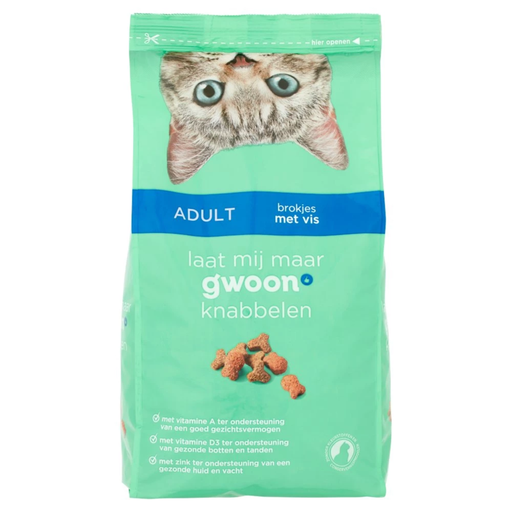
Why it suits this profile: A 2 kg bag is practical for households that give an adult cat dry food every day and want to keep the cost per portion easy to manage.
The product specification identifies it as dry food for adult cats. However, check the portion table and ingredients, as it contains cereals and fish derivatives.
Complete dry food, 2 kg contents and a fish variety.
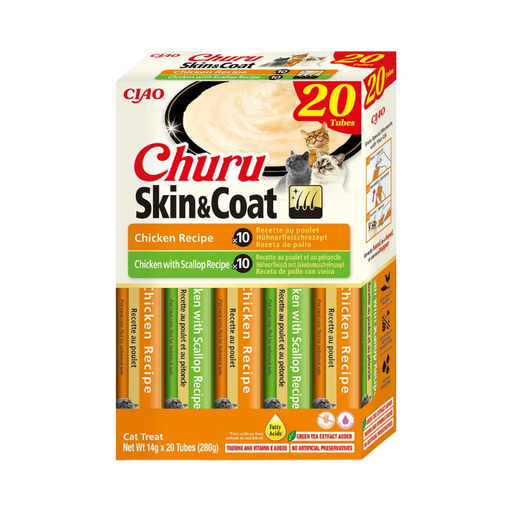
Why it suits this profile: Ideal for cat owners looking for a soft treat to use as a reward, during bonding time or as a topper for kibble.
The label clearly states that this is complementary food. The treat contains 30% chicken, is grain-free and contains 86% moisture; these features do not make it a complete meal.
20 sticks weighing 14 g each, a soft texture, fish oil and vitamin E according to the product composition.
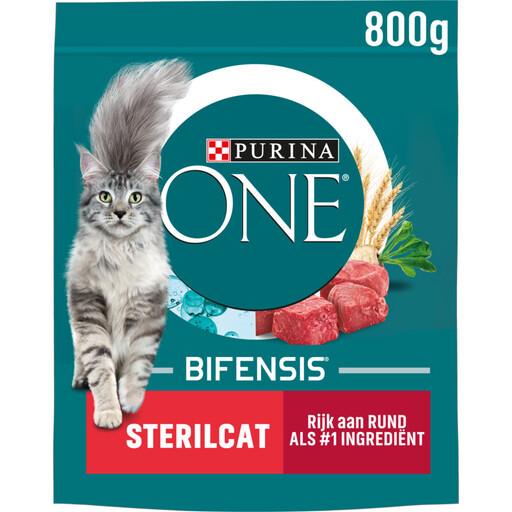
Why it suits this profile: Designed for sterilised or neutered adult cats whose portion control and tailored daily nutrition need particular attention.
The packaging provides separate feeding guidelines for each weight category. Claims about metabolism and the urinary tract come from the brand’s product description and are not medical treatments.
37% crude protein, 13% fat and stated portion guidelines for sterilised adult cats.
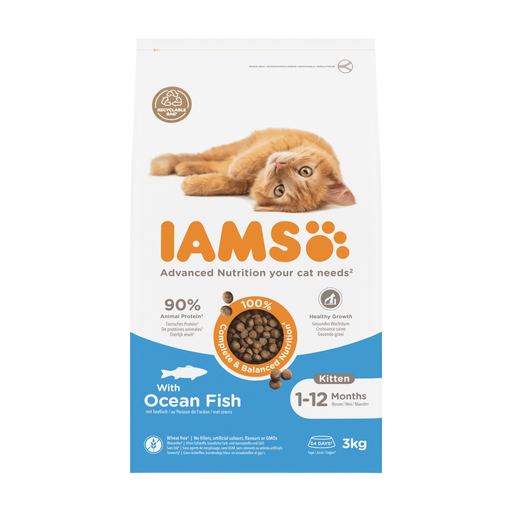
Why it suits this profile: This kitten formula is designed for the growth stage and comes in a 3 kg pack, making it convenient for a household with daily feeding needs.
The product description explicitly identifies it as kitten food and mentions DHA, taurine, minerals and vitamin D, among other nutrients. Check the current packaging for complete nutritional information.
Dry food for kittens, an ocean fish variety and 3 kg contents.
Cat treats for hairballs often contain fibre. G'woon Cat Treats Anti-hairball, for example, lists 4% crude fibre and recommends giving around 5 to 10 treats per day, depending on your cat’s weight. This is complementary food; adjust the main meal as needed and make sure fresh water is always available.
For dental care, cats can benefit from crunchy treats with a specially designed texture. According to their brand descriptions, Purina Dentalife Denta Care Snacks Salmon and Whiskas Dental Treats Chicken Flavor make claims about reducing tartar. However, “according to the brand’s own research” does not mean that every dental problem will be solved by these products. Have your cat’s teeth checked if they are in pain, eating poorly or developing strong bad breath.
We have put together a complete, up-to-date list of products that fully meet these strict selection criteria and the applicable European safety regulations.
Not necessarily. Wet food generally contains more moisture, while dry food is easy to portion and store. A combination can be practical, provided the total daily amount is appropriate for your cat’s weight and activity level.
Always follow the advice on the packaging. As a general guideline, treats should provide no more than around 10% of your cat’s daily calorie intake in total. Give fewer treats if your cat gets little exercise or is already receiving additional food.
Senior cat food is intended for a particular age category, such as 7 years and over for some formulas. Urinary cat food is intended for adult cats with specific nutritional needs according to the product description. If your cat has urinary symptoms, loses weight or experiences ongoing digestive problems, it is wise to consult a vet.
