
Vandaag of morgen in huis

Kwaliteit gegarandeerd

Welkomstaanbiedingen ontgrendelen: GRATIS bezorging | Tot 80% korting | Gratis 30 dagen JoyPlus-proefperiode
Download de app
A bag of dry food or a multipack of wet food may seem like an easy choice. Yet cat owners regularly pay for packaging that does not suit their cat’s age, eating habits or daily needs. Marketing terms such as “natural”, “premium” and “sensitive digestion” sound appealing, but they only mean something when you check the full product information.
The three most common pitfalls when buying cat food are:
Look for “complete pet food” on the label. This means that, according to the product specification, it is intended as daily food for the stated animal species and life stage. Cat wet food often also states whether it is suitable for adult cats or kittens.
A product labelled complementary pet food is intended as an addition. Felix Soup Farm and Felix Soup Fish are examples: according to the product information, these soups are complementary and intended to be served alongside a complete food. So do not give them as the only meal.
Nutritional needs vary at each life stage:
Age guidance is not a substitute for individual assessment. Weight, activity levels, body condition and any dietary issues also play a role. If problems persist or your cat has been prescribed a special diet, it is wise to consult a vet.
Grain-free cat food is not automatically suitable for every cat. Check which ingredients replace the grains, such as quinoa, peas or other plant-based ingredients. According to the product information, Farmina N&D Quinoa Cat Digestion Lamb contains fresh and dehydrated lamb, herring meal, quinoa and peas. The packaging also states 36% crude protein, 20% crude fat and 10% moisture.
With cat food containing chicken or cat food containing fish, check the actual proportion. In Felix Original Mix Selection in Jelly, each variety contains 4% of the named ingredient according to the description, such as beef, chicken, tuna or salmon. This is more transparent than simply relying on a large picture of a fish or chicken on the packaging.
Wet cat food generally contains a high proportion of moisture and comes in pouches or tins. This is convenient if you give several smaller meals. After opening, follow the storage instructions: different products advise keeping leftovers covered in the fridge and using them within 24 to 48 hours.
Dry cat food is easy to measure and store. Seal the bag properly and keep the food somewhere cool and dry. The daily amount should be adjusted according to weight, activity levels and body condition. If your cat eats dry food, always make sure fresh drinking water is available.
A combination can be practical, but add the quantities of wet and dry food together. Do not automatically give the full recommended portion of both types.
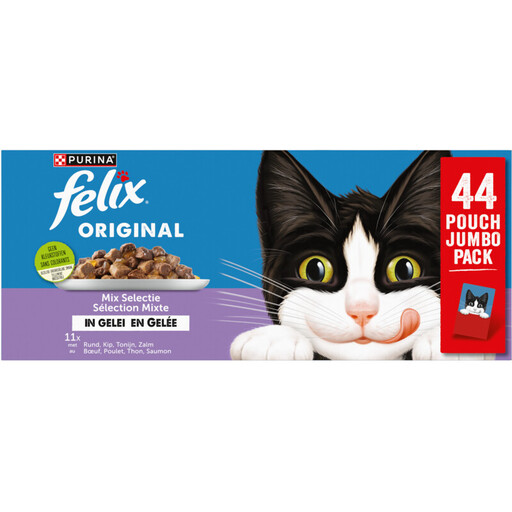
Why it suits this profile: The 44 individual 85-gram pouches are practical for households that want variety while keeping the cost per portion easy to track.
The product information states that this is complete wet food for adult cats. The four flavours and individual portions help to minimise unused leftovers.
44 pouches, four flavour varieties and a stated daily guideline for a cat weighing approximately 4 kg.
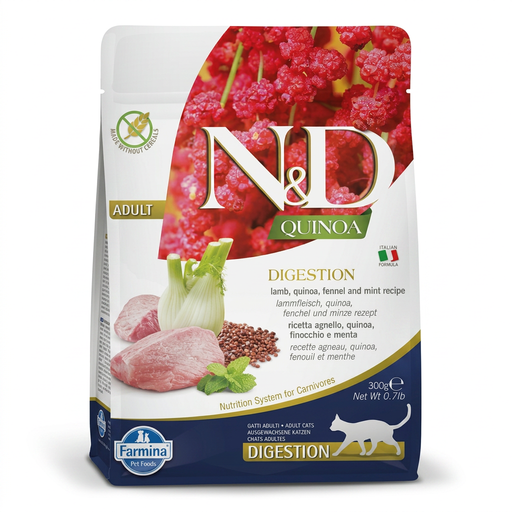
Why it suits this profile: If you want to compare ingredients and analytical values side by side, this compact pack comes with comprehensive product specifications.
The grain-free recipe and named ingredients are described clearly. However, always check that this formula suits your cat and follow the seven-day transition period.
300-gram pack, lamb and herring meal as animal-based ingredients, quinoa and 1,500 mg taurine per kg according to the product information.
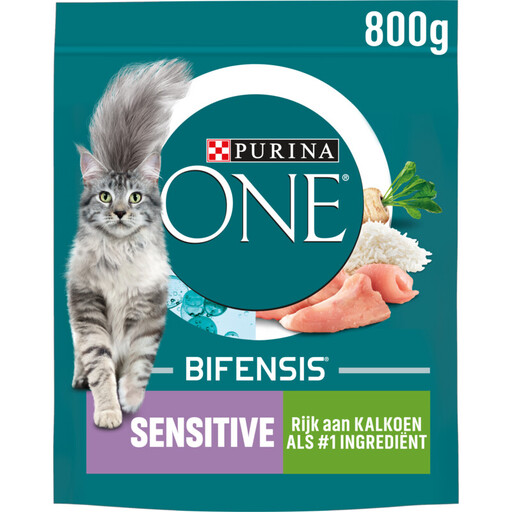
Why it suits this profile: This dry food is aimed at adult cats with a sensitive stomach or fussy eating habits.
According to Purina’s own research, an effect on stool and odour is reported. This is a brand claim, not a guarantee for every cat, so focus primarily on the ingredients and how well your cat tolerates the food.
Turkey is listed as the first ingredient; according to the product description, the recipe contains no added wheat.
We have put together a complete, up-to-date list of products that fully meet these strict selection criteria and the applicable European safety regulations.
When comparing a cat food deal, do not look only at the price of the box. Calculate the price per 100 grams or per daily portion. A pack of 44 pouches may seem good value, but check the following first:
A small pack, such as 300 grams of dry food, can be useful for trying a new recipe first. A cat food multipack is better suited to a cat that has already shown it enjoys the same type of wet food.
Choose a product whose life stage and ingredients are clearly stated on the label. Introduce new cat food gradually, for example over seven days when this is indicated on the packaging. Keep an eye on changes in appetite or stools. If problems persist, a vet should assess the cause.
This depends on the brand, pack size, daily portion and recipe. Dry food is often easy to store and measure by the gram. Wet food comes in portions and can help to reduce waste. Always compare the price per complete daily portion, not just the price per pack.
Follow the label for the specific product. Many wet food products advise keeping leftovers covered in the fridge and using them within 24 to 48 hours. Dry food stays usable for longer when you seal the bag properly after each feeding and store it somewhere cool and dry. Always check the best-before date, as well as the food’s smell and texture.
