
Vandaag of morgen in huis

Kwaliteit gegarandeerd

Welkomstaanbiedingen ontgrendelen: GRATIS bezorging | Tot 80% korting | Gratis 30 dagen JoyPlus-proefperiode
Download de app
A bag of cat food featuring an appealing image of chicken, fish or a healthy-looking cat does not necessarily mean the food is right for your pet. In practice, age, lifestyle, portion size and nutritional needs make a greater difference than a catchy slogan on the packaging.
The three most common pitfalls when buying cat food are:
A kitten has different nutritional needs from an adult cat. Kitten food is formulated for the growth stage and typically contains nutrients to support the development of muscles, bones and other bodily functions. According to the product description, Purina One Junior is intended for use from weaning up to 12 months, as well as for pregnant or nursing cats. The composition includes, among other things, 17% chicken, DHA and minerals.
For cats from around one year old, look for adult cat food. Check that the packaging states that it is complete and balanced cat food. “Complete” means that the food is intended to be used as daily nutrition according to the manufacturer’s instructions. A complementary product, snack or individual wet food product does not always serve this purpose.
With cat food containing chicken, fish or lamb, the exact composition is important. For example, Iams Naturally Adult Cat Dry Food Lamb & Rice lists dried chicken and turkey as the first ingredients, with 4.1% lamb and 4.1% rice. The name therefore indicates a flavour direction, but does not mean that lamb makes up the largest proportion.
It is also worth checking fish-based varieties. Farmina N&D Ocean lists fresh cod at 27% and dehydrated cod at 26%. Iams Naturally Salmon & Rice states 4.1% salmon. These products therefore cannot be compared like-for-like based solely on the word “salmon” or “ocean” on the packaging.
An indoor cat often gets less exercise than a cat that goes outdoors. Cat food for indoor cats may therefore have an adapted nutritional composition and feeding guideline. Pay particular attention to the daily amount and your cat’s body condition. Perfect Fit Indoor Adult is dry food for adult cats and highlights support for areas including weight, digestion and the urinary tract.
For a spayed or neutered cat, cat food for sterilised cats may be a practical choice. According to the product information, Purina One Sterilcat Beef & Grain Formula is intended for sterilised and neutered adult cats. The stated analysis contains 37% protein and 13% fat; the amount fed should be adjusted according to weight, activity level and body condition.
A product such as urinary cat food is not a substitute for veterinary advice. Purina One Urinary Care Chicken is intended for adult cats and, according to the label, contains 34% protein, 14% fat and balanced minerals, among other ingredients. If your cat shows signs of pain when urinating, blood in the urine, frequent attempts to pass small amounts of urine or no urine production at all, contact a vet immediately.
Dry cat food is easy to portion, remains usable for relatively long after opening when stored in a cool, dry and properly sealed place, and is convenient for households with several cats. A large bag, such as Iams cat adult chicken 10kg, may be a practical choice for a household with several adult cats. First calculate how many grams you feed each day and how long the bag will last after opening.
Wet cat food contains a high proportion of moisture and can help increase your cat’s overall fluid intake. Perfect Fit Natural Vitality Adult Sea Fish & Salmon is a grain-free wet food for adult cats, supplied in small 85-gram portions. According to the description, the product should be refrigerated after opening and used within two days.
You can combine dry and wet food, but add the calories and feeding quantities together. Always use the guideline on the packaging as a starting point, and regularly monitor your cat’s weight and body condition.
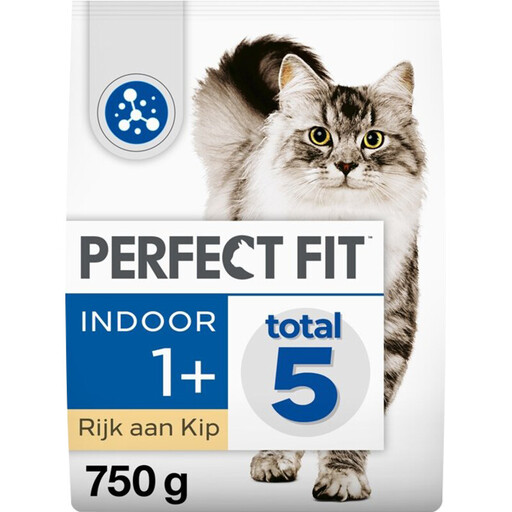
Why it suits this profile: A manageable 750-gram bag is useful for trying the food first, particularly for one adult indoor cat. The variety is clearly intended for indoor use.
The packaging specifies “Indoor Adult”, so you do not have to rely solely on a general adult variety.
Dry food, 750 grams, for adult cats; the product description highlights support for weight, digestion and the urinary tract.
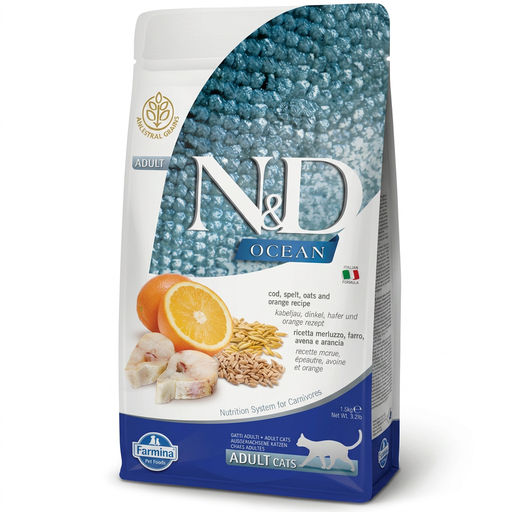
Why it suits this profile: This choice is suitable for shoppers who examine the ingredients list carefully and are looking for an adult variety focused on fish.
The composition lists 27% fresh cod and 26% dehydrated cod. This makes the fish content more specific and easier to assess than a simple flavour claim.
1.5 kg of dry food; cod appears in two forms near the top of the ingredients list; with spelt, oats and orange.
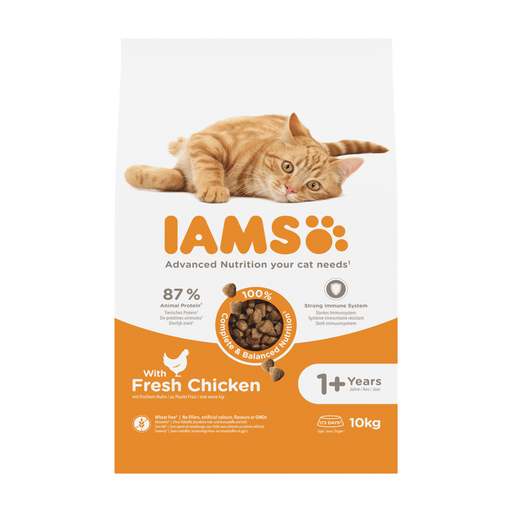
Why it suits this profile: A 10 kg pack is suitable for several adult cats or a household with predictable daily consumption.
The large bag is only a sensible choice if you use the seal properly and finish the food within a suitable period.
10 kg contents; adult chicken variety; the product description mentions omega 3 and 6, taurine and a fibre blend.
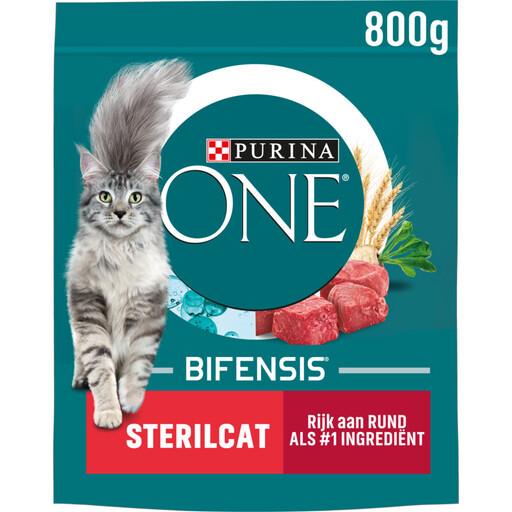
Why it suits this profile: This variety is specifically labelled for sterilised and neutered adult cats, making it easier to match to this particular situation.
You do not need to adapt a general adult variety yourself to suit a specific life stage; the intended audience is stated on the product.
800 grams; 37% protein and 13% fat according to the stated analysis; guidelines by body weight are provided.
We have put together a complete, up-to-date list of products that fully meet these strict selection criteria and the applicable European safety regulations.
Choose a product that clearly states that it is complete kitten food and specifies the age range for which it is suitable. Purina One Junior states that it can be used from weaning up to 12 months. Feed the portion recommended for your cat’s weight and age on the packaging, and always provide fresh drinking water.
This varies from product to product. Store dry cat food in a cool, dry and properly sealed place. Check the best-before date on the packaging. Iams Naturally states that the bag should be sealed properly after opening and used within six weeks. The packaging of your specific product remains the definitive guide.
The price per meal depends on the brand, pack size, energy content and the amount your cat needs. Wet food contains more moisture and is often sold in portions, while large bags of dry food may offer a lower price per kilogram. For this reason, compare the price per daily portion rather than looking only at the price of the pack.
