
Vandaag of morgen in huis

Kwaliteit gegarandeerd

Welkomstaanbiedingen ontgrendelen: GRATIS bezorging | Tot 80% korting | Gratis 30 dagen JoyPlus-proefperiode
Download de app
Choosing the right cat food may seem simple, but packaging can be confusing. An appealing flavour, a large discounted multipack or a claim about added nutritional benefits does not always tell you whether it is suitable for your cat. Three common pitfalls come up time and again.
The first is confusing complete cat food with complementary food. Wet food, cat soup and cat treats may be appealing, but they are not automatically suitable as a complete daily meal. The second pitfall is choosing the wrong food for your cat’s life stage: kitten food has a different nutritional purpose from food for adult cats. The third is buying too much without checking the ingredients, shelf life or daily portion first.
Use the checks below to compare wet cat food, dry cat food, kitten food and treats in a practical way.
Look for the legally required description on the packaging. Complete and balanced cat food is intended to provide a cat’s daily nutrition in line with feeding guidelines. Complementary food includes items such as treats, toppers or cat soup, which you give alongside a complete meal.
Examples from the range:
So, a low-calorie treat is still a treat. Include cat treats and cat soup within the total daily allowance and always provide fresh drinking water.
Age is a useful starting point. For kittens, look for kitten food with a clear indication that it is suitable for growth. According to the product information, Purina One Junior Kitten Food Chicken & Grain Formula is intended from weaning to twelve months. Whiskas Junior Classic Selection is a wet-food multipack for kittens, with 85-gram portion pouches.
For an adult cat from around one year old, there are other options, such as:
A sterilised cat may benefit from food specifically formulated for this situation, but always check the feeding guidelines and your cat’s body condition. Purina One Sterilcat Beef & Grain Formula is labelled as complete food for sterilised or neutered adult cats. The product information lists, among other things, 37% crude protein and 13% fat.
Cat food with chicken and cat food with fish differ in more than just flavour. Check the full ingredients list, moisture content, analytical constituents and recommended quantity.
Wet food often has a moisture content of around 78 to 84%. For example, Purina One Sensitive Adult Wet Cat Food Chicken Flavor Pouch lists 78% moisture, 12.5% protein and 4% fat. A liquid treat may contain even more moisture: INABA Churu Chicken lists 90.5% moisture and six calories per stick. This makes it suitable as a limited supplement, not as a main meal.
With dry food, packaging size and ease of storage are important considerations. A 2 kg or 3.8 kg bag may offer better value per gram, but only if your cat accepts the food well and the bag can be sealed airtight. So compare the price per kilogram, not just the price of the pack.
The choices below are based on the stated product type, life stage, contents, composition and usage instructions. Always check the current label and feeding guidelines on the packaging before use.
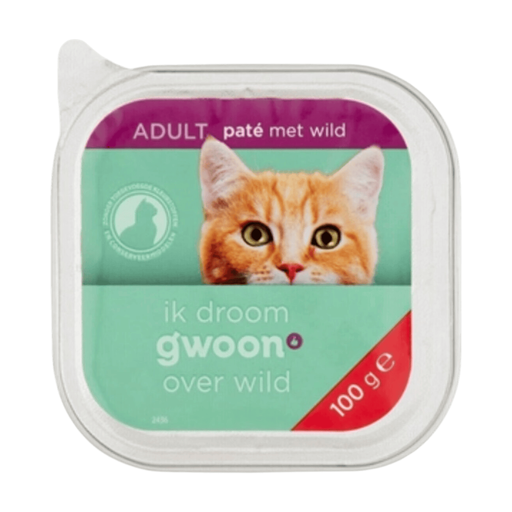
Why it suits this profile: A small pack is useful for first checking whether your cat accepts the soft pâté texture and beef flavour.
The product information states that it is complete food for adult cats, so it is not presented as a snack only.
100 g per tin, pâté texture and beef as the stated variety. Refrigerate after opening and use within 48 hours.
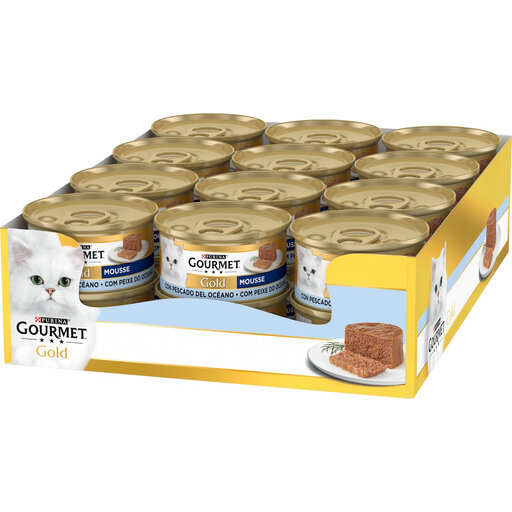
Why it suits this profile: The multipack contains 24 portions of 85 g and is practical for households that regularly serve wet food.
The portion size and number of tins are clearly stated in advance. You can spread the daily amount across several meals.
Fish variety, 24 individual tins and, according to the product description, complete food for adult cats.
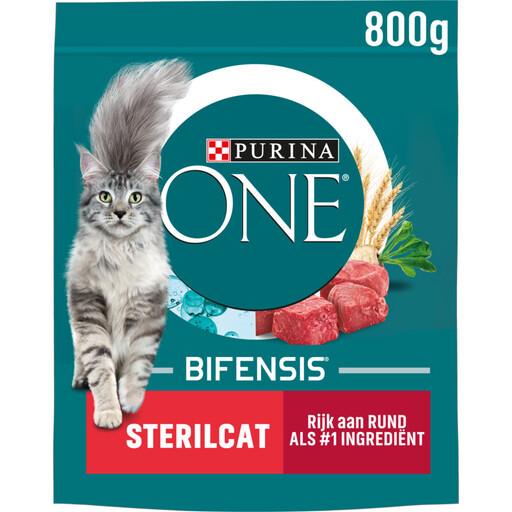
Why it suits this profile: This variety is designed for sterilised or neutered adult cats and includes clear feeding guidelines based on weight.
The intended audience is clearly stated. This helps you avoid choosing a standard adult formula without taking your cat’s circumstances into account.
800 g of dry food, beef variety, 37% crude protein and 13% fat according to the product information.

Why it suits this profile: The age guidance is clear: from weaning to twelve months and, according to the product information, also suitable for pregnant or nursing cats.
The packaging focuses on more than just flavour: it states the specific growth stage for which the food is intended.
800 g of dry food with chicken, DHA according to the product description and feeding guidelines that can be adjusted to your cat’s age and weight.
We have put together a complete, up-to-date list of products that fully meet these strict selection criteria and the applicable European safety regulations.
That depends on your cat, the nutritional composition and your daily routine. Wet food generally contains more moisture and is often supplied in portions. Dry food is easy to store and weigh out. With both types, check whether the food is complete or complementary and follow the portion guidance on the label.
Always follow the manufacturer’s instructions. The product information for several wet foods states that opened portions should be covered and stored in the fridge. For g'woon Cat Pate Beef, use within 48 hours; Felix Soup advises using it within two days. Do not leave leftovers at room temperature unnecessarily.
This varies according to weight, brand, type of food and quantity. Calculate the cost based on the daily portion and the price per kilogram or per 85 grams. A cat food multipack may reduce the price per portion, but only if your cat eats all the varieties before the use-by date or storage period becomes an issue. Also factor in treats: these are in addition to the main food and can increase your total monthly costs.
