
Vandaag of morgen in huis

Kwaliteit gegarandeerd

Welkomstaanbiedingen ontgrendelen: GRATIS bezorging | Tot 80% korting | Gratis 30 dagen JoyPlus-proefperiode
Download de app
Buying cat food online seems simple, but packaging doesn’t always tell the whole story. An eye-catching flavour name, a high percentage of meat or the term grain-free cat food may sound appealing, but that doesn’t automatically mean the product is right for your cat’s age, activity level or nutritional needs.
Look out for three common pitfalls:
The label will usually state whether a product is complete food or complementary food. Complete food is intended as a daily staple and, according to the product information, contains the nutrients required for the stated target group. Complementary food, such as a treat or topper, isn’t automatically suitable for this purpose.
For example, INABA Fun Bites Cat Chicken Wraps Tuna with Cheese are described as complementary food. According to the product information, the portions contain 93% moisture and can be given as a treat, a way to encourage fluid intake or a topper. So they don’t automatically replace your cat’s daily meals.
Kittens have different nutritional needs from adult cats. For young cats, choose kitten food that’s clearly labelled for kittens. According to the product description, Farmina N&D Ocean Kitten Cod 300 g is offered as complete food for kittens. The analysis lists 36% crude protein and 20% crude fat, among other values.
For neutered cats, a tailored energy density may be relevant. According to the product information, Farmina N&D Prime Neutered Cat Chicken 1,5 kg is developed for neutered cats. The recommended amount ranges from 30 to 85 grams per day, depending on body weight. Always adjust the portion to your cat’s activity level, weight and individual circumstances.
When managing weight, portion size is just as important as the recipe. A food labelled for weight control isn’t a licence to feed your cat as much as you like. Weigh out your cat’s kibble and include treats in their daily total.
The ingredients list tells you what’s in the food; the analytical constituents show values such as protein, fat, fibre, ash and moisture. Compare these figures within the same product category. Wet cat food often contains a lot of moisture, while dry cat food is more concentrated.
Grain-free cat food contains no grains, but that alone doesn’t mean it’s necessary for every cat. Some grain-free recipes use alternatives such as peas, chickpeas or quinoa as sources of carbohydrates. So check the full composition and look out for any known sensitivities.
Terms such as “98% animal protein” should also be read in context. According to Farmina’s product description, this claim refers to the proportion of protein from animal sources. Also check the portion size, pack size and suitability for your cat’s age.
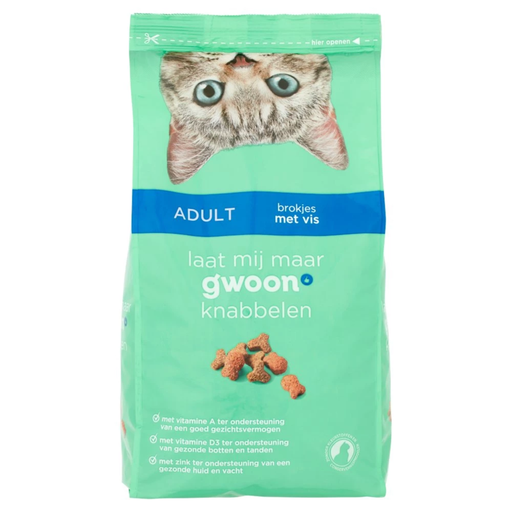
Why it suits this profile: A 2 kg pack is practical for households that regularly feed dry food and keep an eye on the price per kilo.
The product information clearly states that this is complete dry food for adult cats. Check the current ingredients and feeding guide on the pack.
2 kg pack, fish variety and made for adult cats.
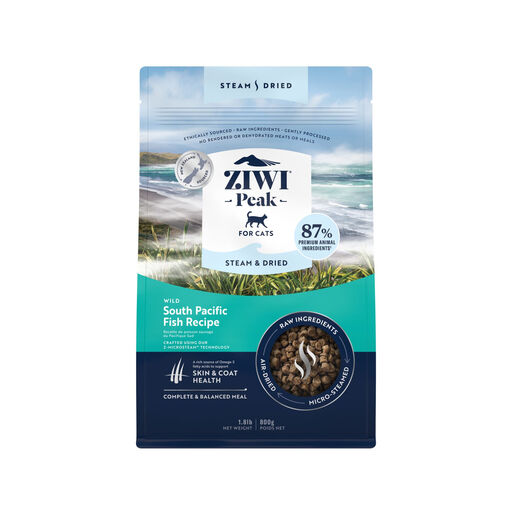
Why it suits this profile: A good option for anyone considering a dried fish recipe with a stated high protein content and prepared to measure portions carefully.
The product page describes it as complete food and lists analytical values, including at least 40% protein and a maximum of 12% moisture. Compare these figures with your cat’s energy needs.
Fish recipe, 800 g pack and stated protein content of at least 40%.
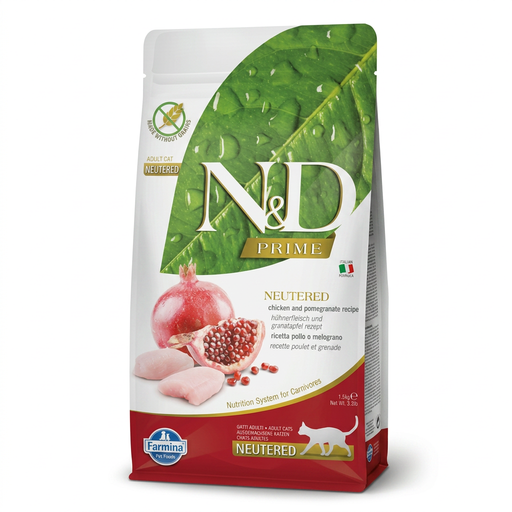
Why it suits this profile: Aimed at households with an adult neutered cat whose weight and daily portion need extra attention.
The product description specifically mentions neutered cats and provides portion guidelines by weight. This makes it easier to avoid topping up your cat’s bowl by guesswork.
1.5 kg pack, chicken as the main protein source and 38% crude protein listed.
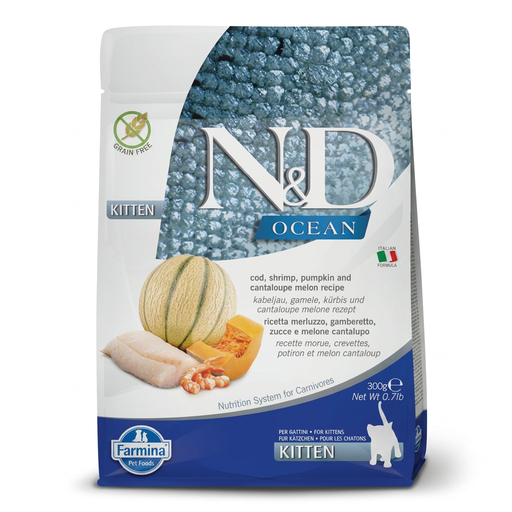
Why it suits this profile: A small pack is handy for trying kitten food before buying a larger supply.
The product description states that it’s complete food for kittens and recommends a gradual transition over seven days.
300 g pack, cod and herring in the recipe, and a grain-free formula according to the product information.
We’ve put together a full, up-to-date list of products that meet these strict selection criteria and the applicable European safety regulations.
Dry food often keeps for a long time after opening and is easy to portion out. Wet food usually contains more moisture, but may cost more per meal. Compare the price per kilogram and the recommended daily amount, not just the price per pouch or tin.
Unopened cat food can be used up to the date on the pack, provided it’s stored correctly in a dry place. Seal opened kibble tightly. Opened wet food should be refrigerated and used promptly, following the instructions on the pack.
Yes, as long as complete food makes up the main part of your cat’s diet and complementary treats stay within their daily allowance. According to the product information, INABA Fun Bites are intended as complementary food, a treat or a topper. They’re therefore not a replacement for complete cat meals.
