
Vandaag of morgen in huis

Kwaliteit gegarandeerd

Welkomstaanbiedingen ontgrendelen: GRATIS bezorging | Tot 80% korting | Gratis 30 dagen JoyPlus-proefperiode
Download de app
A shelf full of cat food doesn’t automatically make choosing easier. Packaging is covered in terms such as “complete meal”, “premium”, “natural” and “extra tasty”, but the difference between complete food, complementary food and treats matters more than the marketing.
The most common buying mistakes come down to four pitfalls:
The label will usually say whether a product is complete pet food or complementary pet food. Complete food is intended to meet the daily nutritional needs of cats at the relevant life stage, when fed according to the instructions on the packaging.
A high-moisture product such as cat food in jelly can work well as a main food if it is labelled as complete. For example, Felix Original Premium Cat Food Fish is described as complete food for adult cats. The varieties include fish and have a moisture content of 83%.
Cat soup, on the other hand, is usually a complementary food. According to the product information, Felix Soup Fish Wet Cat Food is a complementary food for adult cats. The recommended amount is one pouch per 4 kg of body weight per day, served alongside a complete meal. Always provide fresh drinking water too.
For kittens up to around 12 months old, kitten food is better suited to their growth stage than standard adult food. Felix Junior Mix in Jelly is a multipack containing 12 pouches of 85 grams and is described as being for kittens. Purina One Junior Kitten Food Chicken & Grain Formula is also intended for kittens from weaning up to 12 months.
When feeding your cat, consider:
A portion of chicken or fish cat food may appeal to a cat with a clear flavour preference, but offering variety is only practical if your cat tolerates the different recipes well. When changing food, make the switch gradually — for example, over about a week.
Wet cat food usually has a high moisture content and is often sold in pouches, trays or tins. This makes portion control easy, but an opened pouch needs to be refrigerated and used within the time stated on the label. Storage times vary by product, so always follow the packaging instructions.
Dry cat food is easier to portion and keeps for longer after opening, provided it is sealed properly and stored somewhere dry. Check that the kibble will fit in your food bowl or automatic feeder. The Viervoeter automatic feeder accepts dry food up to 1.3 cm and dispenses portions averaging 15 grams, depending on the food.
A cat food multipack is handy for households that regularly use the same variety. Work out how many pouches or grams your cat needs each day in advance. That way, you can avoid leaving a large supply open for too long.
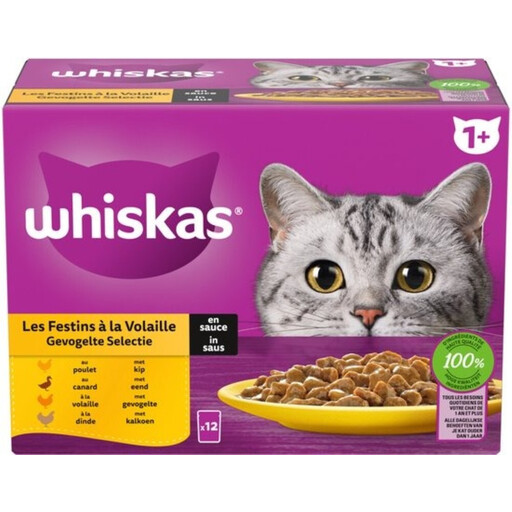
Why it suits this profile: The 12 pouches of 85 grams offer a choice of flavours and clear feeding guidelines for adult cats aged 1 year and over.
The product information confirms that this is complete food for adult cats. The individual portions make it easier to store any opened food neatly.
12 portion pouches, four flavour varieties and feeding advice based on body weight.
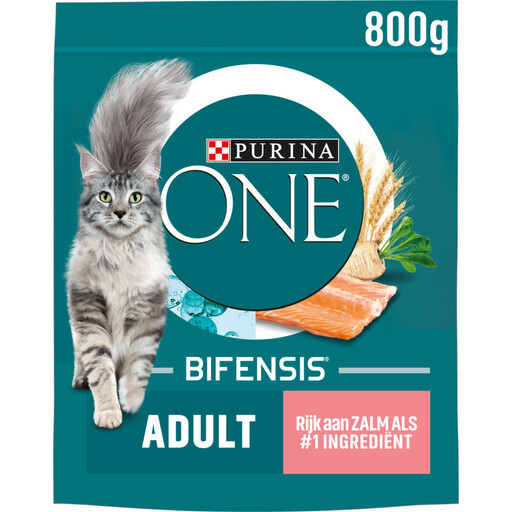
Why it suits this profile: This dry food is intended for adult cats, and salmon is the first ingredient listed in the product information.
The life stage and food type are clearly stated, making it easier to avoid confusing this product with kitten food or complementary food.
800 grams of dry food, easy to portion and store in an airtight container.
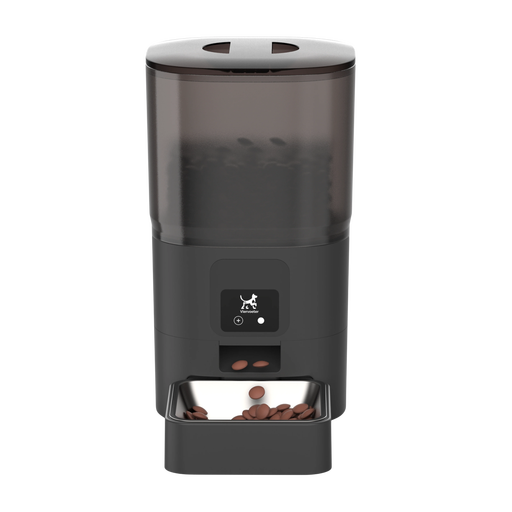
Why it suits this profile: Handy for owners with changing work schedules who want dry food dispensed at set times.
The feeder is designed for dry food up to 1.3 cm. Check the kibble size first: wet food and soup aren’t suitable for this feeder.
6-litre reservoir, app control, 2.4 and 5GHz Wi-Fi support, and a removable stainless-steel food bowl.
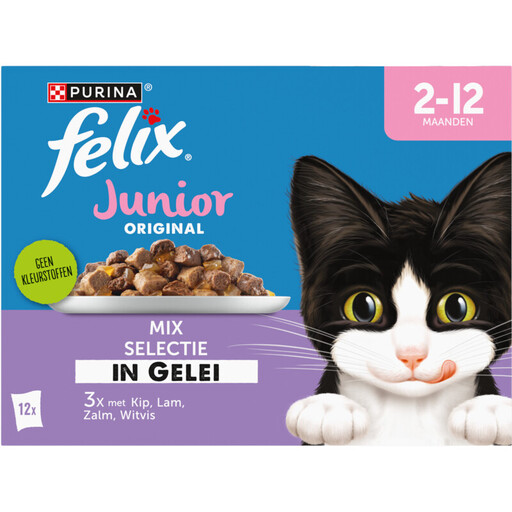
Why it suits this profile: According to the product information, this multipack is intended for kittens and contains four recipes in jelly.
The intended age group and feeding period are stated: kittens up to 12 months old. This makes it less likely you’ll accidentally choose adult cat food.
12 pouches of 85 grams, several flavours and instructions for splitting the daily portion across multiple meals.
Cat treats are complementary foods. Give them alongside, not instead of, a complete meal. For dental cat treats, Purina DentaLife, for example, provides a recommended daily amount and advises adjusting the main meal accordingly. The product information says the manufacturer claims the treats help reduce tartar build-up; treat this as a brand claim and follow the instructions for use.
When it comes to cat food accessories, hygiene and accurate portioning are key. Wash food bowls regularly, store dry food in an airtight container and check that an automatic feeder has a power supply, backup batteries and is compatible with your kibble size.
We’ve put together a complete, up-to-date list of products that meet these strict selection criteria and the applicable European safety regulations.
Wet food usually contains more moisture and is often sold in individual portions. Dry food is convenient to store and portion. You can feed both, as long as you adjust the total daily amount to your cat’s weight and activity level.
It varies by product. Cover opened wet food and keep it in the fridge, using it within the time stated on the packaging. Don’t leave an opened portion at room temperature for an extended period. Once opened, dry food should be stored somewhere cool and dry in a tightly sealed container.
It depends on your cat’s weight, the brands you choose, the balance of wet and dry food, and how many treats you give. Compare the price per 100 grams or per full day’s portion. With an automatic feeder, you’ll also need to factor in electricity use, any batteries and the size of the kibble.
