
Vandaag of morgen in huis

Kwaliteit gegarandeerd

Welkomstaanbiedingen ontgrendelen: GRATIS bezorging | Tot 80% korting | Gratis 30 dagen JoyPlus-proefperiode
Download de app
A toy often seems simple: a ball, a rope or a mouse. Yet cat and dog toys differ greatly in material, use and safety. A product that is suitable for a calm indoor cat may not be tough enough for a large dog that loves to tug and chew.
So don't just look at colour, shape or a promise like "extra strong". Instead, check the material, the dimensions and the way your pet plays with it. That way, you can avoid the toy fraying after a few weeks, making a noise your cat ignores, or shedding small parts.
A marketing term means little if the toy's composition isn't stated. With a rope ball for dogs, for example, look at the fibres, the weave and the strength of the joins. Cotton rope and hard-wearing fabric can be suitable for tugging and fetching games, but no toy is indestructible.
The same applies to chew toys for cats. Fabric, stuffing, feathers and sisal can come loose during play. So check regularly for fraying, tears and loose parts.
An indoor cat that loves to hunt may benefit more from toy mice for cats, cat balls or a cat wand than from a tough chew toy. A dog that mainly sniffs will use a snuffle mat for dogs differently from a dog that loves to fetch.
Interactive cat toys also need the right match. An electric cat toy can provide movement when your cat is home alone, but it doesn't replace supervision or shared playtime.
Some product descriptions mention support for dental care, relaxation or reducing boredom. Treat such information as a product claim, not a guaranteed result. According to the product description of certain brands, chewing can rub against the surface of teeth, but toys do not replace routine care or veterinary advice.
Also pay attention to herbs. With cat toys containing catnip or silvervine cat toys, every cat reacts differently. According to the product description, these scents can increase interest in the toy; that doesn't mean every cat will respond to them.
Check whether the product page states the material clearly. Examples include cotton rope, plush fabric, sisal, polyester fibre, plastic or synthetic feathers. A combination of materials can support different types of play, but it makes inspection even more important.
For tugging and fetching games, a tightly knotted rope structure is practical. With cat balls and toy mice, the key thing is that no small parts come loose. Only use a toy with feathers, bells or a squeaker under supervision if your cat or dog tends to bite parts off quickly.
A toy must be large enough not to be easily swallowed whole. At the same time, it should be light enough for your pet to lift, bat or carry. The ZEZE snuffle mat, for example, is 70 × 57 cm, while the HomerunPET automatic cat toy measures approximately 17.8 × 17.8 × 8 cm.
Also look at the target audience. A compact ball for cats is not automatically suitable for a large dog. Products that specify the animal type, age group or size give you a better starting point.
A toy only remains usable if you look after it properly. Follow the product instructions: some fabrics can be wiped with a damp cloth, while others must not be submerged. Allow washed or damp toys to dry completely to help prevent odours and mould.
Check the toy before and after use. Stop immediately if rope, fabric, feathers, stuffing or a mechanical part comes loose. If a large or non-edible part is swallowed, it is wise to contact a vet.
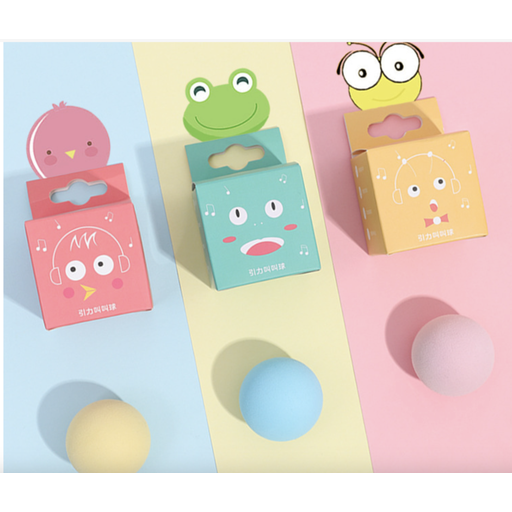
Why this suits the profile: A set of three compact balls offers a simple starting point for cats that love to bat, chase and go after moving objects.
The product description clearly states that colours are supplied at random and that the toy is intended for batting and chasing, not for intensive chewing.
Set of 3 pieces; compact round design; sound when moved; suitable for cats of different ages according to the product information.
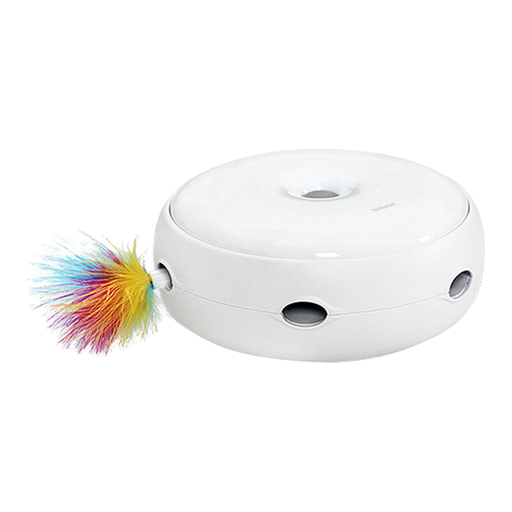
Why this suits the profile: For indoor cats that respond to unpredictable movement and for households where someone isn't always home during the day.
The product information mentions battery use, dimensions and the advice to supervise. It doesn't pretend the device remains safe without supervision.
Automatic rotating movement; battery-powered with no cord; base of 17.8 × 17.8 × 8 cm; feather teaser for interactive play.
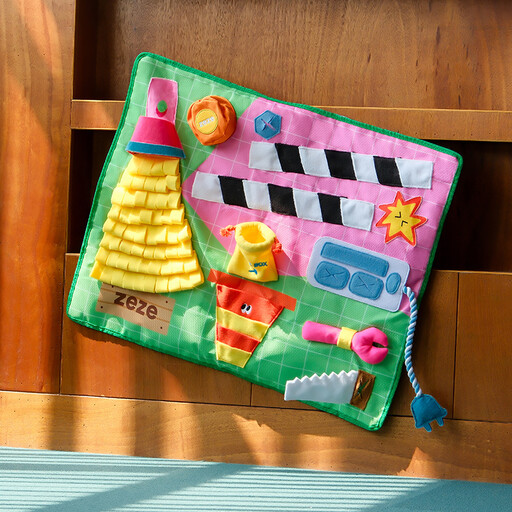
Why this suits the profile: For dogs that love to search and sniff, especially indoors or on days when a long outdoor session isn't possible.
The dimensions, materials and cleaning instructions are stated. The usage information also warns about dogs that may try to swallow fabric or plastic.
Size of 70 × 57 cm; multiple compartments and textures; suitable for dry food or treats; designed for searching and sniffing play.
We've put together a full, up-to-date list of products that fully meet these strict selection criteria and current European safety regulations.
The lifespan depends on the material, the intensity of play and your pet's behaviour. A toy for gentle fetching games can last longer than a product for daily tugging or chewing. Check regularly for tears, fraying, loose stuffing and small parts. Replace the toy as soon as its safety is no longer clear.
For indoor cat toys, you can alternate between hunting and searching games. Think of toy mice for cats, a cat wand, cat balls, interactive cat toys or electric cat toys. Rotate a few toys rather than offering them all at once. Supervise moving toys and small parts.
That depends on the number of play hours and the battery type. The HomerunPET toy runs on batteries; according to the product information, batteries are not included and you should check the recommended type in the manual. Turn the device off when not in use and remove the batteries for longer storage.
