
Vandaag of morgen in huis

Kwaliteit gegarandeerd

Welkomstaanbiedingen ontgrendelen: GRATIS bezorging | Tot 80% korting | Gratis 30 dagen JoyPlus-proefperiode
Download de app
A bag of dry food or a multipack of wet food might seem like a quick choice. Yet pet owners regularly pay over the odds for a product that doesn’t suit their animal’s age, size or daily routine. When it comes to cat and dog food, the decision isn’t just about taste or brand name – it’s about the verifiable information on the label.
“With chicken and turkey” sounds straightforward, but the ingredients list can show that the proportion of that particular meat is limited. So look for percentages next to terms like chicken, turkey, beef or fish. Some products, for example, state that a certain meat makes up just 4% of the recipe.
A flavour name is not a full nutritional analysis. Always compare the composition, crude protein, crude fat and moisture content.
Premium pet food is a commercial label. On its own, it doesn’t tell you whether the product is suitable for your cat or dog. Instead, check whether it’s complete food and which life stage it’s intended for.
A product for adult cats isn’t automatically suitable as kitten food. Likewise, dog food for adult animals can have a different energy density than puppy food. Claims about supporting digestion or joints, for example, should be read as information from the brand, not as a guaranteed effect.
Dry food stays practical for longer after opening than wet food, but a large bag does need proper storage. Keep food cool and dry, and seal an opened bag tightly. With wet food, pay attention to portion size and storage time. Several products advise keeping opened portions refrigerated and using them within a maximum of two days.
When buying a multipack, calculate the price per kilogram, not just the price per pack. A cat food multipack with small pots can be convenient, but it may work out more expensive per kilo than a larger pack.
Start with the basics:
Also consider the target audience. Some wet foods are specifically aimed at adult small-breed dogs, while certain dry foods are suitable for dogs of all breeds and ages.
The label should state whether the food is complete food. Complete food is intended as a daily meal according to the feeding guide on the pack. A complementary variety is not designed to provide all daily nutrients on its own.
Also check the nutritional values. For dry food, protein, fat, fibre, ash and moisture are all relevant. For wet food, the moisture content is much higher, so the protein percentage cannot be compared directly with dry food.
The recommended amount depends on weight, age and activity. Use the pack as a starting point and adjust the portion as needed to keep body condition stable. Always provide fresh drinking water.
When switching to dry dog food or dry cat food, do it gradually. A transition of around seven to ten days is recommended for several products. Gradually mix more of the new food with the old food. This way, you avoid buying a large bag that your pet won’t accept.
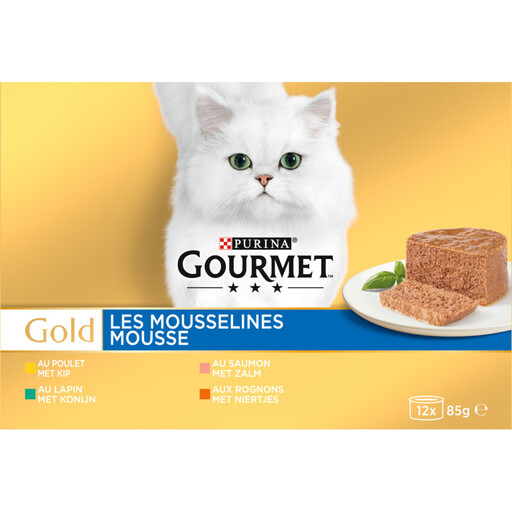
Why this suits the profile: A multipack of soft mousse can be handy when you want to offer different flavours without buying several large packs straight away. According to the product description, this is a complete food for adult cats.
The portion information and ingredients are on the pack. Check the full composition and feeding amount there rather than relying solely on the flavour name.
Soft mousse, multiple varieties and a pack designed to help you discover a flavour preference first.
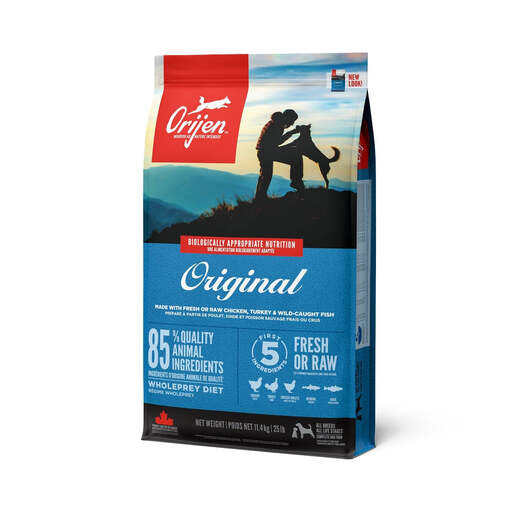
Why this suits the profile: For those who want to compare a detailed ingredients list and clear analytical values. According to the product information, this dry food contains 38% crude protein, 18% crude fat and 12% moisture.
The percentages and ingredients are verifiable on the product information. The claim about 85% animal ingredients comes from the brand’s product description.
Large 11.4 kg bag, clear nutritional analysis and intended for adult dogs of all breeds.
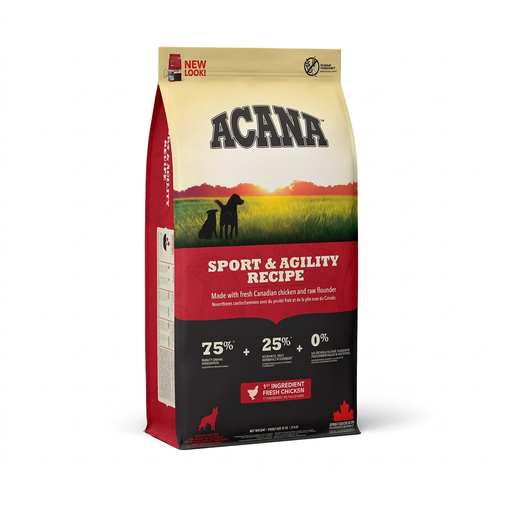
Why this suits the profile: Designed for adult and senior dogs of all breeds that get plenty of exercise. According to the product description, the food contains 33% crude protein and 19% crude fat.
The positioning for active dogs makes it important to adjust the portion to their exercise levels. Use the feeding guide on the bag and don’t automatically give a large amount.
17 kg content, 12% moisture and a specified analysis with protein, fat, fibre and energy content.
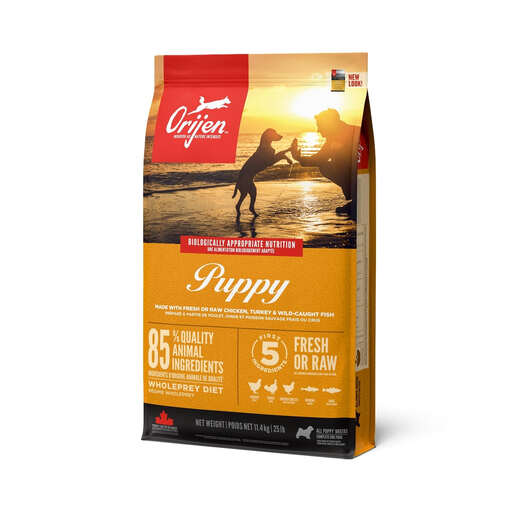
Why this suits the profile: For owners of puppies who are specifically looking for puppy food with a comprehensive nutritional analysis. According to the product information, this product contains 38% crude protein and 18% crude fat.
The pack states a target audience and feeding guide. When changing food, switch gradually and adjust the amount according to age, weight and breed size.
11.4 kg dry food, suitable for puppies of various breeds and supplied with a specified composition.
We’ve put together a full, up-to-date list of products that fully meet these strict selection criteria and comply with current European safety regulations.
That depends on your cat’s preference, its nutritional needs and your daily routine. Wet food generally contains more moisture and is often offered in portions. Dry food is easier to measure and store. With both types, check whether it’s complete food and follow the portion guide.
Always follow the label. Several of the products mentioned advise keeping leftovers refrigerated and using them within a maximum of two days. Don’t leave wet food at room temperature for long periods, and don’t use any packaging that is bloated, leaking or damaged.
Not automatically. Compare the price per kilogram, the recommended daily portion and the energy value. A larger bag of dry dog food can be practical for a large or active dog, but only when the composition and portion suit that dog. That way, you make a purchasing decision based on usage costs rather than just the selling price.
