
Vandaag of morgen in huis

Kwaliteit gegarandeerd

Welkomstaanbiedingen ontgrendelen: GRATIS bezorging | Tot 80% korting | Gratis 30 dagen JoyPlus-proefperiode
Download de app
The range of cat and dog food is vast. That makes buying online easy, but it also increases the chance of making the wrong purchase. An attractive label doesn't always tell you enough about whether it's suitable for your pet.
Pay particular attention to these common pitfalls:
Always start with the legal product name and the information on the packaging. Look for terms like complete pet food for adult cats, "kitten" or "senior". A product for cats should not be given to dogs, and vice versa.
For kittens, a product like Whiskas Junior Classic Selection in Sauce is specifically labelled as complete wet food for kittens. The product information includes feeding guidelines per age group. For older dogs, g'woon Senior 7+ Pâté is designed for senior dogs of all breeds. Always follow the instructions on the packaging when feeding, and adjust the portion according to weight, activity level and body condition.
Marketing terms like "with beef", "with chicken" or "with salmon" only mean something when you check the ingredients list. In many composite recipes, a specific ingredient might be listed at just 4%. That's more reliable than a big picture of meat or fish on the packaging.
Look out for:
According to Sheba's own information, the Delicacies in Sauce varieties contain no artificial colours, preservatives or flavourings. Treat this as a product feature, not a guarantee that every cat will tolerate the food well.
Texture affects acceptance and ease of feeding. Cat food in sauce is suitable for cats that enjoy soft chunks with sauce. Cat pâté has a smooth texture. Cat biscuits are dry and easy to portion, but always require access to fresh drinking water.
Portion packs are handy when you want to reduce food waste. With a cat food multipack containing 50g or 85g pouches, you can open the right amount for each meal. A 400g or 415g tin can be more economical for households with multiple pets, but leftovers must be stored in the fridge according to the label.
Complementary products have a different purpose:
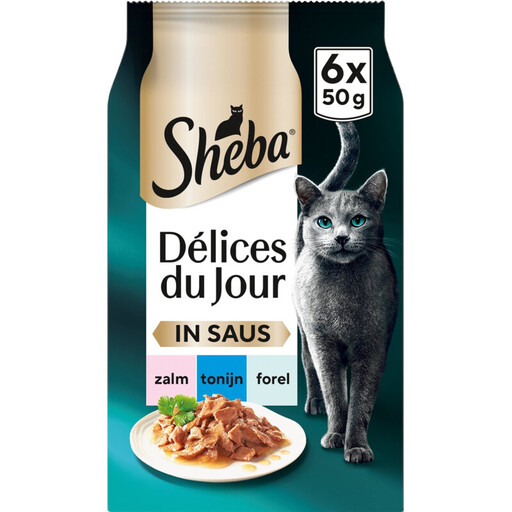
Why this fits the profile: The 50g portion pouches make portioning easy and offer several fish varieties for adult cats.
The product information states it is complete wet food for adult cats and provides portion guidelines by body weight.
300g total, three fish varieties and storage instructions for opened pouches.
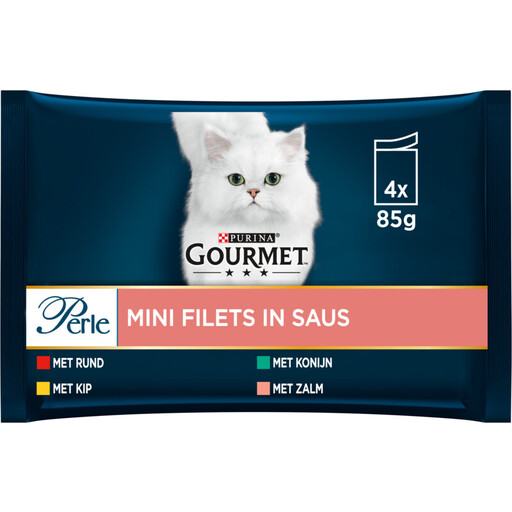
Why this fits the profile: The fine mini fillets in sauce are intended as complete food for adult cats and combine four varieties in one pack.
The composition and analytical values are listed, including 13% protein, 2.5% fat and 80% moisture.
Four flavours, 12 portions of 85g and no added artificial colours, preservatives or flavourings according to the product information.
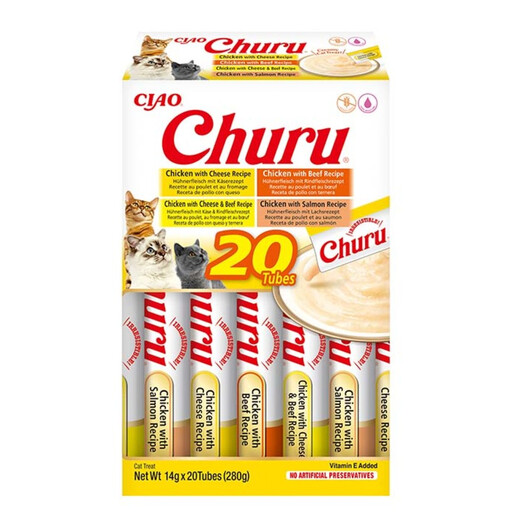
Why this fits the profile: The tubes are intended as a cat treat, topping or way to hide medication, not as a full main meal.
The product description clearly states it is complementary food. This means you won't accidentally replace the daily meal.
20 tubes, 91% moisture and 6 calories per tube according to the product information.
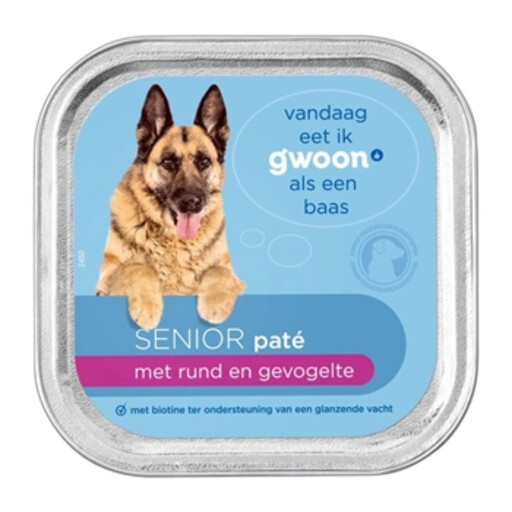
Why this fits the profile: The smooth pâté texture and the senior dog labelling suit a household with an older dog.
The product information lists senior as the target group and mentions beef and poultry in the composition.
Soft pâté, beef and poultry as listed ingredients and a 150g pack.
We've put together a full, up-to-date list of products that fully meet these strict selection criteria and comply with current European safety regulations.
Complete pet food contains, according to the product labelling, the nutrients needed for the relevant species and life stage when fed according to the guidelines. Complementary food, such as cat soup, cat broth or some cat treats, is intended as an extra. Always check the legal product name on the packaging.
This varies by product. Many pouches and tins should be covered and stored in the fridge after opening, and used within 24 to 48 hours. The exact time is stated on the packaging. Don't leave wet food at room temperature for longer than necessary, and throw away any leftovers that smell off or have been out of the fridge for too long.
Don't just compare the price of a tin or multipack. Calculate the price per 100g and look at the recommended daily amount. Also factor in treats, complementary food and waste from leftovers. This gives you a more realistic picture when you buy pet food.
