
Vandaag of morgen in huis

Kwaliteit gegarandeerd

Welkomstaanbiedingen ontgrendelen: GRATIS bezorging | Tot 80% korting | Gratis 30 dagen JoyPlus-proefperiode
Download de app
A basket full of toys doesn’t automatically mean your cat or dog will keep playing with them. Some products quickly lose their appeal, contain loose parts or don’t suit your pet’s play style. When choosing cat and dog toys, it’s worth looking beyond colour, shape and marketing claims.
Bright colours, eye-catching designs and claims such as “stress-relieving” say little about whether a toy is practical for your pet. According to some brands’ product descriptions, catnip or silvervine may increase a cat’s interest in play. However, this effect varies from cat to cat and shouldn’t be seen as guaranteed.
So start by considering the type of play: chasing, rolling, chewing, searching or sniffing.
Feathers, rope, stuffing, plastic and sisal can come loose over time. Regular checks are especially important for cats that chew enthusiastically and dogs that pull toys apart. A product that frays or tears after a few weeks may no longer be suitable.
Replace toys as soon as parts come loose, the fabric is damaged or pieces could be swallowed.
A small ball may be suitable for an adult cat to bat around, but that doesn’t automatically make it right for every dog. Soft plush toys aren’t intended for dogs that chew heavily either. Check the dimensions, materials and warnings before you order.
Pay attention to the combination of materials:
According to the manufacturer’s product information, a toy with damaged outer fabric, exposed stuffing or broken stems can no longer be used safely.
A 70 × 57 cm snuffle mat needs more floor space than a small cat ball. Check that the product can lie flat and that your dog has enough room to sniff without constantly shifting it around.
Compact toys are practical for cats in flats. A ball can roll across a smooth floor, while a toy with feathers or sisal is also suitable for play under a rug or piece of furniture.
Toys are no substitute for supervision. Check the product before and after use, and follow the care instructions. Some toys can only be cleaned with a damp cloth and must not be submerged or put in the washing machine.
For a dog snuffle mat, it’s best to use dry, firm treats. Remove any food left behind after play to help prevent mould and unwanted smells. A food puzzle for dogs also works better when its difficulty suits your dog’s experience.
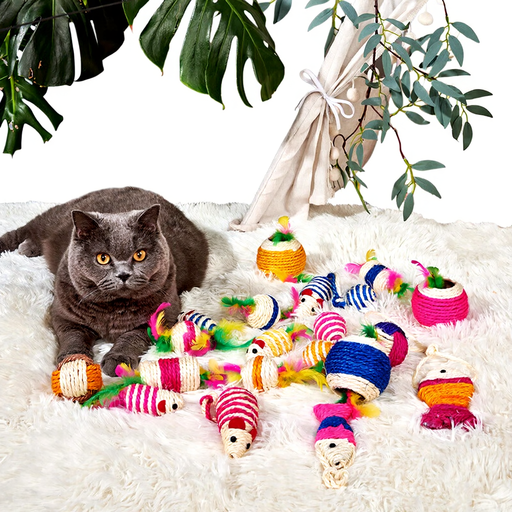
Why it suits this profile: A set of 4 cat toys gives you several lightweight balls for rolling, batting and chasing, without having to invest in a large interactive system straight away.
The set contains four toys, so wear to one ball doesn’t immediately leave you short of toys. Do check the feathers and sisal regularly.
Four colourful, lightweight balls; feathers and sisal rope combine to offer different textures.

Why it suits this profile: This compact toy is designed for cats that respond to scents and enjoy chewing on a soft object.
The listed materials include fleece, silvervine, catnip and polyester. This makes it easier to compare the product based on its materials, rather than choosing on design alone.
Measures 90 × 100 mm; contains silvervine and catnip according to the product description; suitable for chewing and play.
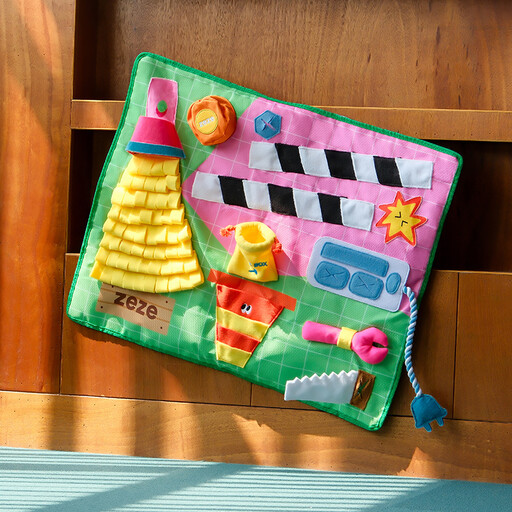
Why it suits this profile: For dog owners who want to build daily sniffing activities into their routine, this dog snuffle mat offers several pockets, folds and textures.
Its 70 × 57 cm size and instructions to use dry treats make it clear how to use the mat. The warning says it isn’t intended for dogs that swallow fabric or plastic.
Several hiding places; a combination of plush, woven fabric, rope and EVA; suitable as an interactive dog toy when used under supervision.
The Meowmagic Cat Chew Rope Toy Pack of 4 contains four rope toys. The product description lists durable rope and says they’re for cats. This could suit households looking for a change from a standard ball. Bear in mind that rope can fray too. Check each toy regularly and replace it if it breaks, loses parts or shows clear signs of wear.
A silvervine cat toy such as the ZEZE Corn Color Silver Vine Toy is another option for cats that enjoy chewing. According to the product description, the toy contains silvervine sticks and catnip. Claims about teeth, breath or digestion come from the brand’s product information and shouldn’t be taken as medical benefits. Supervise your cat and follow the warnings on the label.
We’ve put together a complete, up-to-date list of products that meet these strict selection criteria and the applicable European safety regulations.
It depends on the material and how your pet plays. Check toys before every use for loose threads, tears, broken parts and exposed stuffing. If a toy is damaged, it’s safer to replace it than to repair it with loose materials.
Shake out the crumbs and use a vacuum cleaner if needed. Spot-clean with a damp cloth and mild detergent, unless the label gives different instructions. Let the mat dry completely before adding treats again.
Brands sometimes market chew toys made with rope, catnip or silvervine as cat toys for teeth and stress. Reactions vary from cat to cat, and these toys are no substitute for veterinary advice. Choose a suitable size, supervise your cat and stop using the toy straight away if it becomes damaged or your cat swallows too much of it.
