
Vandaag of morgen in huis

Kwaliteit gegarandeerd

Welkomstaanbiedingen ontgrendelen: GRATIS bezorging | Tot 80% korting | Gratis 30 dagen JoyPlus-proefperiode
Download de app
A cast iron pan can be ideal for roasting, braising, baking and serving, but not every model suits every kitchen. A heavy pan with a base that’s too small is awkward on an induction hob. An enamelled interior requires different care to untreated cast iron. And a pan described as “suitable for all heat sources” can still have limitations for the oven, dishwasher or microwave.
This practical guide helps you avoid costly mistakes and compare pans on verifiable features: material, size, capacity, heat source and maintenance.
A diameter of 24 or 28 cm doesn’t tell you everything. The base diameter determines how much contact the pan makes with an induction zone. With an oval roasting dish, the hob may not heat part of the base directly. So, alongside the outer dimensions, always check the shape and the size of the base.
Capacity is equally important:
An enamelled cast iron pan has a smooth, glass-like layer. This generally makes cleaning easier and means you don’t have to season untreated cast iron. However, it doesn’t automatically mean you can use metal utensils without restriction. Manufacturers often recommend wooden or silicone spatulas to minimise scratches and damage.
A traditional cast iron frying pan without enamel can, with proper care, develop different cooking properties, but it requires more attention to drying, oiling and storage. So, choose based on your maintenance habits, not just the word “durable”.
For a casserole dish for induction, the product description must explicitly mention induction. Also check whether the pan is suitable for gas, electric, ceramic and halogen if you use multiple hob types. For oven use, the knob, handles and maximum temperature are all important.
Also watch out for exceptions. The Tefal Virtuoso wok pan is, according to the product specifications, suitable for induction and oven use up to 250 °C, but a glass lid may have a lower limit. The Tefal Easy Cook & Clean frying pan, on the other hand, is not suitable for induction, despite being suitable for gas, electric and ceramic hobs.
Cast iron retains heat for a long time, making it ideal for gentle roasting and braising. The downside is the weight. A Le Creuset pan of 24 cm, for example, weighs approximately 4.3 kg; a 26 cm model weighs around 5.1 kg, according to the stated product specifications.
An enamel layer makes the interior smoother and simplifies cleaning. However, check whether the particular version is dishwasher-safe. Maintenance instructions can vary by model: some models are suitable for the dishwasher, while hand washing is recommended to preserve the finish.
A cast iron casserole dish with a lid is ideal for stews, soups, roasts and oven-baked dishes. A round pan of 20 cm with a capacity of 2.4 litres is intended for smaller portions. A 22 cm model with 3.3 litres suits two to three people. For a family, a pan of 24 to 26 cm may be more practical.
A cast iron cooking pan is less suitable if you mainly want to cook quickly and lightly. For eggs, pancakes or a quick stir-fry, an aluminium pan with a non-stick coating or a stainless steel wok pan can be lighter and quicker to use.
Check that the handles are large enough for oven gloves and that the lid knob is oven-safe. A well-fitting lid helps retain heat and moisture in the pan, but “hermetically sealed” should not be confused with a pressure cooker.
For enamelled cast iron, use a soft sponge and avoid harsh abrasives. Allow a hot pan to cool down before cleaning it with cold water. Sudden temperature changes can damage the finish. An oven-safe pan should always be used according to the maximum temperature stated in the product information.
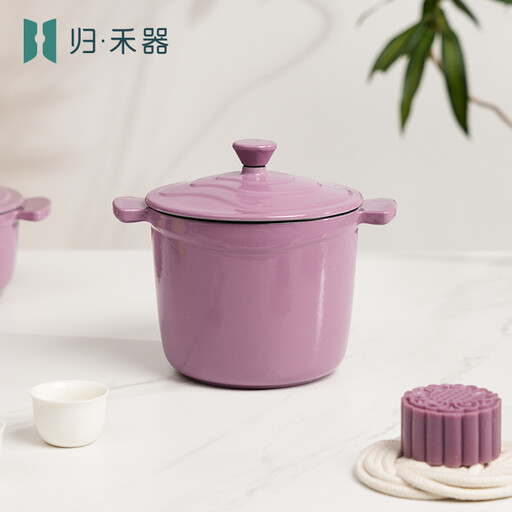
Why this fits the profile: The compact 1.3-litre capacity is ideal for one person, small portions of porridge or soup, and cooking on a smaller induction zone.
The small size prevents you from buying a heavy family casserole dish for portions you don’t need. The description states compatibility with induction.
Enamelled cast iron, 1.3-litre capacity and suitable for a single-person meal.
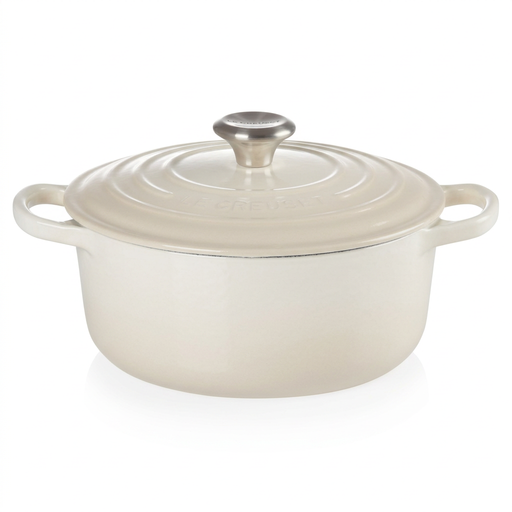
Why this fits the profile: The 4.2-litre capacity is designed for meals for around three to four people and combines induction cooking with oven use.
The product specifications state the capacity, the enamelled surface and suitability for induction and oven. Check the current care instructions before purchase.
4.2-litre capacity, enamelled cast iron and a stainless steel knob according to the product information.
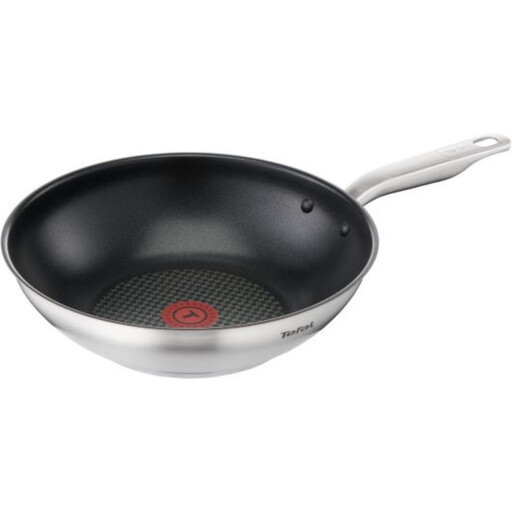
Why this fits the profile: This wok pan is designed for stir-frying and larger portions. The stated capacity is 3.64 litres and the pan is suitable for induction, gas, electric, ceramic and halogen.
The heat source compatibility and oven temperature up to 250 °C are clearly stated. Do note the separate limitation for any glass lid.
28 cm diameter, 3.64-litre capacity, non-stick coating and dishwasher-safe according to the product data.
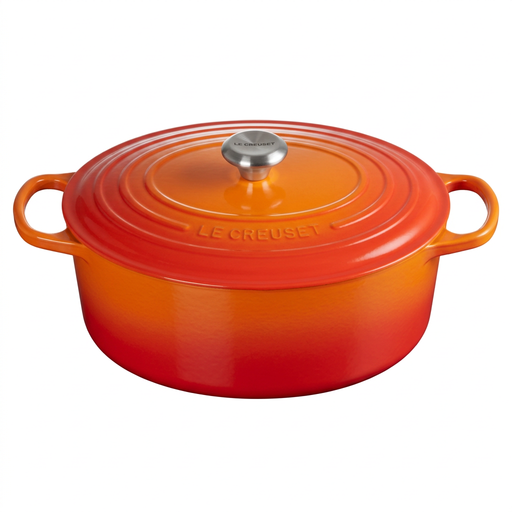
Why this fits the profile: The oval shape and large capacity are ideal for big family meals, joints of meat and stews.
The stated dimensions, 14.8-litre capacity and compatibility with all mentioned heat sources make the choice verifiable. Bear in mind the weight of approximately 11.4 kg.
Large capacity, lid included and enamelled cast iron with a smooth interior according to the product description.
We’ve put together a full, up-to-date list of products that fully meet these strict selection criteria and current European safety regulations.
Yes, cast iron generally works with induction, but always check the product specifications. Pay particular attention to a flat base, the correct diameter for your cooking zone and the overall weight. An oval or extra-large pan may receive heat less evenly when the cooking zone is smaller.
Many models are oven-safe, but the maximum temperature can vary. Check the knob, handles and lid. The Tefal Virtuoso wok pan, for example, states a maximum of 250 °C, excluding a glass lid. Always use oven gloves: cast iron and lid handles get hot.
The lifespan depends on use, care and the finish. Enamelled cast iron does not need to be seasoned, but abrasives, metal utensils and thermal shock can damage the enamel layer. An untreated cast iron pan requires regular drying and oiling. Also check the warranty at the time of purchase; several of the models mentioned come with a statutory warranty of at least two years according to the product information.
