
Vandaag of morgen in huis

Kwaliteit gegarandeerd

Welkomstaanbiedingen ontgrendelen: GRATIS bezorging | Tot 80% korting | Gratis 30 dagen JoyPlus-proefperiode
Download de app
A cast iron pan is an investment for your kitchen. Chosen wisely, it will last a lifetime and enhance the flavour of your dishes. But the market is flooded with marketing claims that complicate the choice. Many pans end up in the back of the cupboard after just a few months due to unexpected drawbacks. As a Joybuy Product Recommendation Officer, I'll help you recognise the right specifications so you can choose a pan that truly suits your needs.
Before we look at the solutions, it's important to understand the most common purchasing errors. These three pitfalls often lead to disappointment.
To avoid a bad buy, focus on the actual specifications. These three points are crucial for choosing the right cast iron pans.
This is the most important choice you'll make. It determines the maintenance and how you can use the pan.
Always check if the pan is suitable for your type of cooktop.
Not all cast iron pans are the same. Choose the model that fits the dishes you love to cook.
Based on objective specifications and user profiles, we have highlighted a few popular choices.
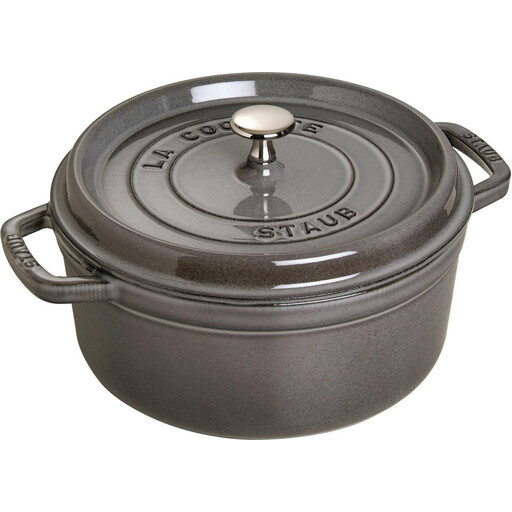
Why This Fits Their Persona: Ideal for those who want the benefits of cast iron without the complex maintenance. This cast iron Dutch oven is perfect for stews and soups, and the quality of Staub pans guarantees a long lifespan.
The enameled cast iron prevents the maintenance miscalculation (Pitfall 2). The pan won't rust and doesn't need to be seasoned, making it ready to use right out of the box.
The lid features 'picots' that evenly distribute condensation over the dish. Suitable for all heat sources, including induction.
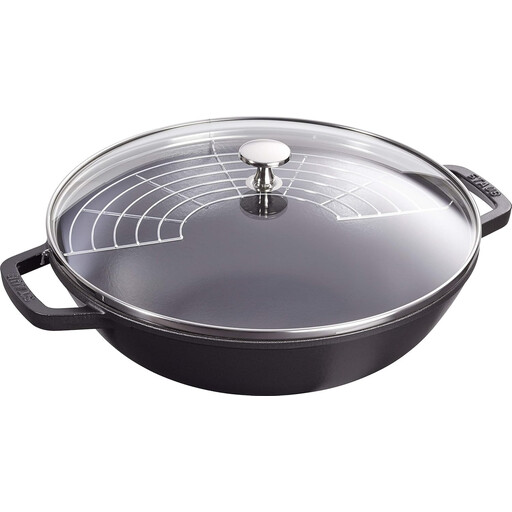
Why This Fits Their Persona: For those who are serious about stir-frying. This cast iron wok retains the high heat necessary for authentic Asian dishes. A piece of professional-grade cookware for your home.
The matte black enamel interior is scratch-resistant and durable. This bypasses the "miracle coating" pitfall (Pitfall 1) of pans with a fragile layer that wears out quickly.
Excellent heat retention and distribution for perfect stir-frying. Comes with a glass lid, tempura rack, and spatula.
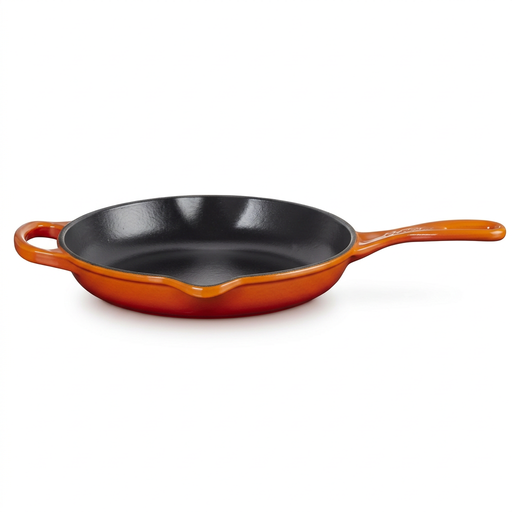
Why This Fits Their Persona: A classic skillet that can be used for almost anything: from frying an egg to searing a steak to perfection. The quality of Le Creuset pans is renowned for those who invest in durability.
This pan is explicitly a PFAS-free pan, but it relies on durable enamel instead of a fragile coating (Pitfall 1). The enamel also eliminates the need for the complex maintenance of bare cast iron (Pitfall 2).
The matte black enameled interior is designed for optimal caramelisation. Two convenient pouring spouts make draining fat easy.
We have compiled a complete, up-to-date list of products that fully meet these strict selection criteria and safety regulations.
Maintenance is simple. Allow the pan to cool after use and hand wash it with warm water and a soft sponge. Avoid metal scouring pads to prevent damaging the enamel. Although some manufacturers state the pan is dishwasher-safe, hand washing will significantly extend its lifespan. Always dry the pan thoroughly before storing it.
Cast iron is heavy and can cause scratches if you slide it. Therefore, always lift the pan when moving it. Also, ensure the bottom of the pan is clean and dry before use. For pans for induction, a flat base is crucial; this ensures maximum contact and the most efficient heat transfer.
The weight is a direct property of the material and also its greatest strength. The high density of the iron allows the pan to retain heat extremely well and distribute it very evenly. This prevents 'hot spots' and ensures a consistent and predictable cooking or searing result, something lighter pans cannot match.
