
Lunch supplies for several days
You regularly take cashews with you or share a supply with housemates. Compare the pack size with how much you expect to use. Albert Heijn and Jumbo list 500 g packs of unsalted varieties.


A large bag of cashews is a good choice if you regularly prepare lunch portions or share your supplies. If you use them less often, a smaller pack may be easier to match to how much you eat. Check the exact variety and follow the storage instructions on the label. The Voedingscentrum includes unsalted nuts in its Wheel of Five guidelines; canteens serving cashews must inform customers about the allergens present.
You regularly take cashews with you or share a supply with housemates. Compare the pack size with how much you expect to use. Albert Heijn and Jumbo list 500 g packs of unsalted varieties.
You’re specifically looking for unsalted cashews and want to check the variety rather than relying on the brand name or pack size alone. The Voedingscentrum includes unsalted nuts in its Wheel of Five guidelines.
You serve cashews to customers at lunchtime and need to make it clear which type of nut is present. The Netherlands Food and Consumer Product Safety Authority (NVWA) explains what allergen information is required.
First decide what matters most to you: the exact variety, the quantity you need for your lunches, portioning or allergen information. Then choose a pack that suits the way you’ll use it.
| What to consider | What should you check? | Who does this matter to? |
|---|---|---|
| How much you need | Compare the net weight with the number of lunches you want your supply to cover. | If I’m buying for several days or sharing a supply, I want an amount that suits how I use it. Around 33% of consumers put finding the right quantity first. |
| Unsalted ingredients | Check the variety name and ingredients on the pack; unroasted and unsalted don’t mean the same thing. | If I’m specifically looking for unsalted cashews, I want that clearly stated on the pack I choose. Around 27% of consumers prioritise an unsalted variety. |
| Portioning and storage | Think about how many portions you want from the pack, and follow the storage and resealing instructions on the label. | If I take nuts with me on different days, I want to be able to portion and store them conveniently. Around 20% of consumers prioritise managing their supplies. |
| Allergen information | Check which type of nut is present and how the information is provided, especially if the nuts are being served in a canteen. | If I serve lunch customers, I want to be able to clearly state which type of nut is present. Around 20% of consumers prioritise allergen information. |
A large supply means you’ll need to portion it yourself and store it. If you don’t take cashews with you often, a smaller pack may better suit how much you use.
Choose an amount that matches the lunches you actually want your supply to cover.
Pack size and portion size aren’t the same. As an example for planning your supplies, 125 g makes five 25 g portions; this isn’t individual dietary advice.
Divide the contents into portions in advance to suit your own plans, and store the rest according to the label.
These terms describe different characteristics. According to Stichting Voedselallergie, the nut allergen remains stable when heated, so roasting cashews does not make them a reliable alternative for someone with an allergy.
Check the variety and the label separately. If you have a diagnosed allergy, follow your personal medical advice.
The NVWA warning dated 20 May 2026 concerns Trader Joe’s unsalted cashews, 170 g, barcode 2003020120930 and best-before date 23-09-2026. The warning does not automatically apply to other packs.
Check the product name, weight, barcode and best-before date against the warning. Do not eat a pack that matches exactly.
A choice of unsalted and unroasted cashews in different pack sizes.
An unsalted variety is listed in a 500 g pack.
Trader Joe’s cashews are listed as roasted and unsalted in a 250 g pack.
The listed 200 g PLUS variety is unsalted and unroasted.
Duyvis describes Cashews Sea Salt as cashews flavoured with sea salt.
A Dutch product listing describes 500 g packs of Alesto roasted unsalted cashews.
This selection includes cashews for stocking up on lunch supplies, including salted varieties and smaller packs of roasted, unsalted cashews. Check the exact variety and weight for each product.
 Image unavailable
A good fit if you want to divide a larger pack of salted cashews between several lunches.
The pack contains 500 g; the ingredients list cashews and salt. The product information says they’re ready to eat.
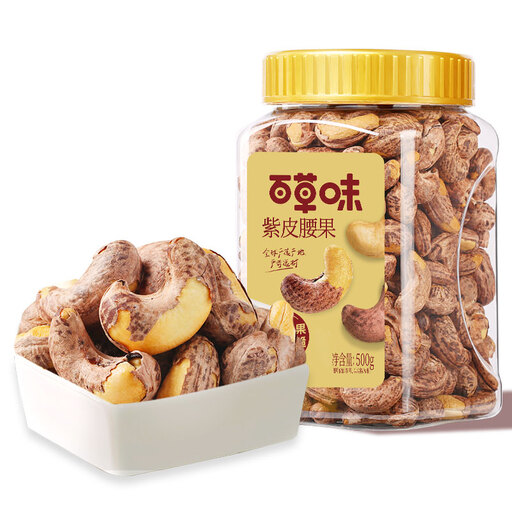 Image unavailable
An option if you’re looking for a larger pack of ready-to-eat cashews and prefer a salted variety.
The product information lists 500 g and salt; the product name specifies 180 grade.
 Image unavailable
A good fit if you want to take a smaller supply of ready-to-eat cashews with you.
The pack contains 160 g. The product information lists cashew kernels as the only ingredient.
 Image unavailable
A good fit if you’re looking for a smaller pack of roasted, unsalted cashews for lunch.
The pack contains 200 g. The product information says to store in a cool, dry place and reseal the pack securely after opening.
Divide the net weight by the portion size you’ve chosen for your plans. For example, 500 g makes twenty 25 g portions, 250 g makes ten and 200 g makes eight. This is an example for planning your supplies, not individual dietary advice.
Follow the label on your product. The Voedingscentrum’s general storage guide recommends keeping opened unsalted cashews in a kitchen cupboard for six months or in the freezer for one year; this isn’t a guarantee for every pack. If the nuts taste rancid, feel chewy or have mould on them, reassess their quality.
A canteen serving cashews or a dish containing cashews must inform customers about the allergens present, including the specific type of nut. The NVWA explains that allergen information for pre-packed products appears on the label; for unpackaged products, the information must be made available in an appropriate way. This applies to the food provider, not someone who is simply bringing their own lunch.
No. Roasting is not a reliable way to remove the nut allergen. Stichting Voedselallergie explains that the allergen remains stable when heated. If you have a diagnosed allergy, follow your personal medical advice and check the exact product label.
Don’t eat a pack if its product name, weight, barcode and best-before date match the warning. The NVWA warning dated 20 May 2026 names Trader Joe’s unsalted cashews, 170 g, barcode 2003020120930 and best-before date 23-09-2026. The Dutch Government says that complaints about food products can be reported to the NVWA.