What should you look for when choosing?
First, establish which dietary needs and allergens are relevant to the participants. Then consider the snack format, flavour and packaging. Choosing a product for one participant doesn’t automatically mean it’s suitable for someone else.
| What to consider |
What should you look for? |
Who is this important for? |
| Specific ‘free from’ claim |
Check the exact variant and whether its packaging includes the relevant claim. |
If I avoid gluten or lactose, I want to see that specific claim rather than assume other allergens are absent. Around 31% of consumers prioritise a specific ‘free from’ claim. |
| Cashews, peanuts and other nuts |
Read the ingredients and check for any warnings about possible presence. |
For participants with a food allergy, I want to check which nuts are relevant for each person. Around 31% of consumers prioritise checking allergens. |
| A safe time to eat |
Consider the child’s age and eating skills. Have children sit down calmly and stay nearby. |
If children are taking part, I want to avoid them eating whole nuts while walking around. Around 25% of consumers prioritise serving food safely to children. |
| Flavour and packaging |
Check whether the nuts are seasoned, unroasted or unsalted, and follow the storage instructions for that variant. |
Once dietary suitability has been checked, I also want to know which flavour and packaging will suit the occasion. Around 13% of consumers prioritise flavour and practicality. |
Cashews at Joybuy
These Joybuy products are cashew variants for participants who can eat cashews. Before serving, check the ingredients and warnings on the packaging of the exact variant.
 No image available
Jiazhouyuanye Original Flavour Large cashews, 160 g
An option for those who can eat cashews and are looking for an Original Flavour variant.
The product name specifies Large and a pack size of 160 g.
View at Joybuy
 No image available
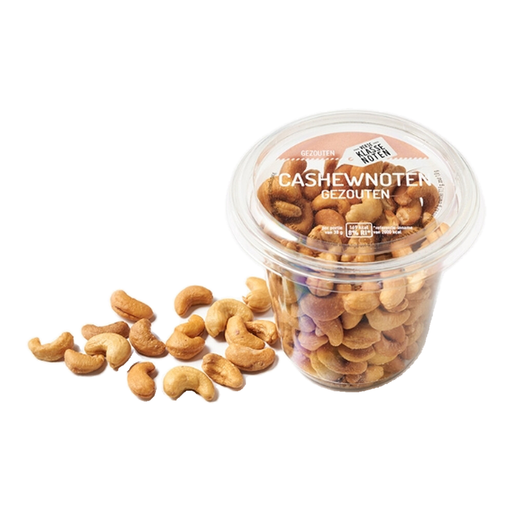
Verse Klassenoten salted cashews, 150 g
An option for those who can eat cashews and are looking for salted cashews.
The product name specifies a pack size of 150 g.
View at Joybuy
 No image available
g'woon roasted unsalted cashews, 200 g
An option for those who can eat cashews and are looking for roasted, unsalted cashews.
The product name specifies a pack size of 200 g.
View at Joybuy
 No image available
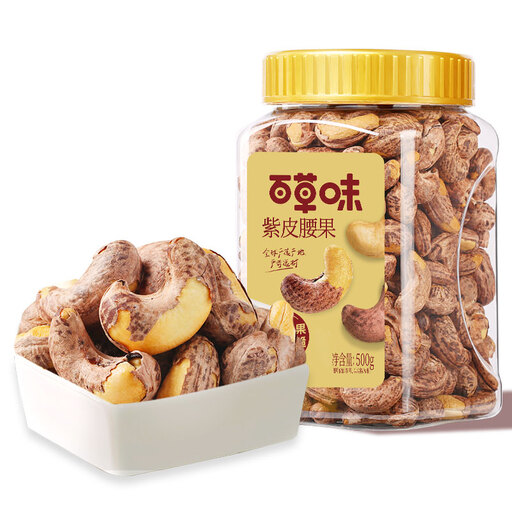
Be&Cheery cashews with purple skin, 180 grade, 500 g
An option for those who can eat cashews and are looking for cashews with purple skin.
The product name specifies 180 grade and a pack size of 500 g.
View at Joybuy
 No image available
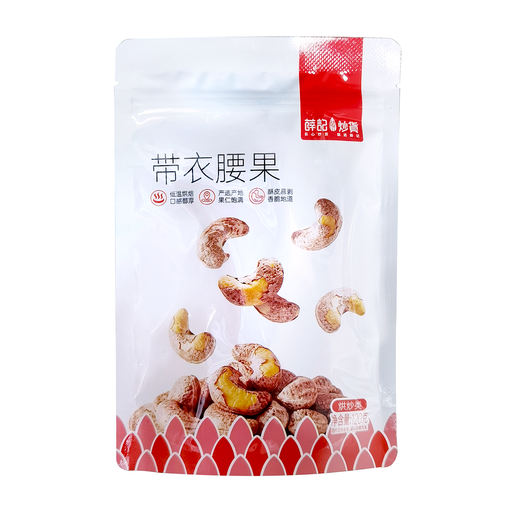
Xue Ji Chaohuo salted cashews with skin, 120 g
An option for those who can eat cashews and are looking for salted cashews with skin.
The product name specifies a pack size of 120 g.
View at Joybuy
Frequently asked questions
Are gluten-free cashews also suitable for someone with a milk allergy?
No. A gluten-free claim says nothing about milk protein. Lactose-free doesn’t mean suitable for someone with a milk allergy either: lactose intolerance relates to milk sugar, while a milk allergy is a reaction to milk protein.
Does roasting make cashews suitable for someone with a cashew allergy?
No. Stichting Voedselallergie states that allergens in nuts remain stable when heated. Roasting therefore won’t remove cashew allergens.
Can children eat cashews during an Easter egg hunt?
Whole nuts can pose a choking risk for children. The Netherlands Nutrition Centre advises having children eat calmly while sitting down. So plan a separate time to eat, choose a suitable snack format and stay nearby.
Does ‘may contain peanuts’ mean that peanuts are an ingredient?
Not necessarily. The ingredients list describes the ingredients; a warning may indicate the possible unintentional presence of an allergen. If someone has a food allergy, check both statements.
What allergen information is shown on packaged snacks in the Netherlands?
According to the Netherlands Food and Consumer Product Safety Authority, allergen information must appear on the label of prepacked products. Since 1 January 2026, new rules have applied in the Netherlands on how and when businesses must warn about the unintentional presence of allergens due to cross-contamination.


