What should you look for when choosing?
First compare the nutritional values on the same basis, then work out how they relate to your own portion. Also choose a product type and pack size that suit who’ll be eating and how you plan to use the cashew nuts.
| What to consider |
What should you look for? |
Who is this important for? |
| Protein per lunch portion |
Compare the protein per 100 g and relate it to the amount you actually eat. Assess a ‘high protein’ claim separately from the number of grams of protein. |
If you want to know how much a weighed portion adds to your lunch, protein content is the first thing to consider. Around 36% of consumers making this choice give it top priority. |
| Children at the table |
Bear in mind the risk of choking on whole nuts and read the allergen information on the current packaging. |
When children are eating too, you’ll want to carefully consider the form of the nuts and the allergen information. Around 29% of consumers making this choice put safe eating first. |
| Pack size |
Compare the net weight of the different options and choose an amount that suits the number of lunches you plan to use the nuts for. |
If you want to portion cashew nuts for several lunches, choosing a suitable amount matters more than simply opting for the largest pack. Around 21% of consumers making this choice prioritise pack size. |
| Preparation and salt |
Read ‘unroasted’, ‘roasted’ and ‘unsalted’ as separate product characteristics; also check the nutrition table. |
If you’re looking for a particular preparation method or a salted or unsalted taste, check each characteristic separately. Around 14% of consumers making this choice put this preference first. |
Cashew nuts at Joybuy
This selection includes different cashew nut products for comparing protein per 100 g, pack size and product type. Check the current product and allergen information before use.
 No image available
Jiazhouyuanye Original Flavour Large Cashew Nuts 160g
Useful for comparing the protein content per 100 g when you weigh out your own lunch portion.
The product description lists 19,8 g of protein and 0,028 g of salt per 100 g.
The pack contains 160 g. According to the product description, cashew kernels are the only ingredient.
Contains cashew; bear in mind that this is a tree nut if you have a food allergy.
View at Joybuy
 No image available
Duyvis Dry Roasted Cashews, 125 g
Suitable if you’re looking for a dry-roasted option and want to compare the nutritional values per weighed portion.
The product description lists 18 g of protein and 0,92 g of salt per 100 g, and says the cashews are dry-roasted without added fat or oil.
According to the product description, the 125 g pack provides 4–5 portions.
The product description lists gluten, wheat and peanuts as allergens.
View at Joybuy
 No image available
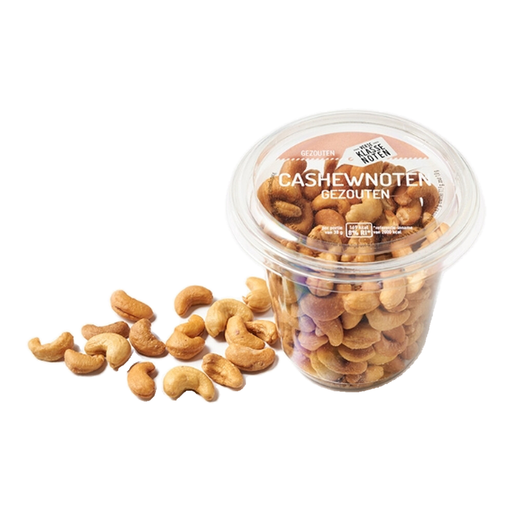
Verse Klassenoten Salted Cashew Nuts, 150 g
A salted option to compare with unsalted products when considering preparation and nutritional values separately.
The product description lists 21,0 g of protein per 100 g and names 98% cashew, sunflower oil and 1% salt as ingredients.
The pack contains 150 g; the product description says the cashews are freshly roasted.
Contains cashew; bear in mind that this is a tree nut if you have a food allergy.
View at Joybuy
 No image available
g’woon Cashew Nuts Roasted & Unsalted, 200 g
Suitable if you’re looking for roasted, unsalted cashew nuts for lunch, a snack, or for cooking and baking.
The product description lists 18,67 g of protein and 0,067 g of salt per 100 g.
The pack contains 200 g.
Contains cashew; bear in mind that this is a tree nut if you have a food allergy.
View at Joybuy
 No image available
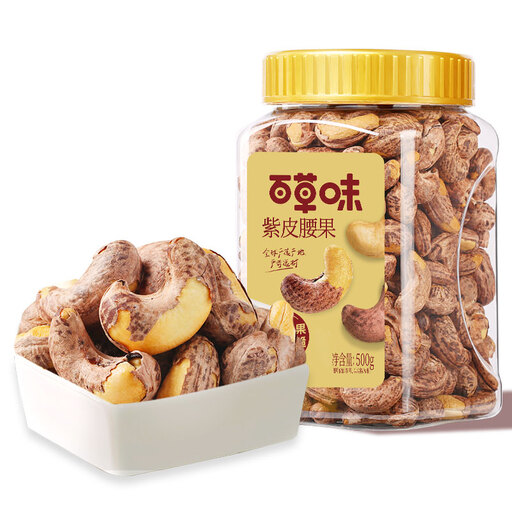
Be&Cheery cashews with purple skin, 180 grade, 500 g
The larger pack may suit you if you want to portion cashew nuts for several occasions.
The product description lists 16,4 g of protein and 1,2 g of salt per 100 g, and names cashew kernels and salt as ingredients.
The pack contains 500 g.
Contains cashew; bear in mind that this is a tree nut if you have a food allergy.
View at Joybuy
Frequently asked questions
Does a protein declaration automatically mean that cashew nuts are ‘high protein’?
No. A nutrition claim must meet the relevant European requirements; simply stating an amount of protein does not establish that the claim is permitted. The NVWA and the European Commission explain these requirements for nutrition claims.
Do you always need special protein products for sport?
According to the Netherlands Nutrition Centre, most people who do sport do not need special protein products as part of a healthy, varied diet. Protein requirements may be higher for strength or endurance sports, but that doesn’t prove that a specific cashew nut product will improve your recovery.
Can you give children whole cashew nuts without considering anything else?
Bear in mind the risk of choking: the Netherlands Nutrition Centre warns against whole nuts. Consider the form of the nuts for the children who’ll be eating them and check the allergen information on the packaging if anyone has a food allergy.
How do you compare packs for several lunches?
Compare the net weight and nutritional values per 100 g of the options you’re considering. Jumbo, for example, lists unsalted packs of 200 g and 500 g; a larger pack doesn’t automatically mean more protein per 100 g.
Why should you keep reading the packaging if you already know the product?
Albert Heijn recommends checking the packaging, and PLUS says that nutritional values and allergy information can change. So check the current information for the product before using it.
Which ALDI cashew nuts are covered by the NVWA safety warning?
The NVWA warning dated 20 May 2026 concerns Trader Joe's unsalted cashew nuts, 170 g, with a best-before date of 23-09-2026; the warning mentions possible metal fragments and says not to eat the cashew nuts. It applies to that specific pack and batch, not to all ALDI cashew nuts. The fact that the best-before date has passed does not in itself mean the warning has been lifted.


