
Campers avoiding an allergen
You’re looking for a snack that suits a specific food allergy. Cashews, peanuts and other nuts need to be considered separately; if you have a cashew allergy, this product category is not suitable.


Start with the allergen you need to avoid: cashew nuts are not an option if you have a cashew allergy, and a gluten-free or lactose-free claim does not mean they are free from other allergens. Albert Heijn lists its Unsalted Cashew Nuts 170 g as gluten-free and lactose-free; PLUS lists cashew nuts as an ingredient in its unroasted variety, which may contain peanuts. Then choose a quantity and preparation method to suit your camping trip, and follow the storage instructions on the exact pack.
You’re looking for a snack that suits a specific food allergy. Cashews, peanuts and other nuts need to be considered separately; if you have a cashew allergy, this product category is not suitable.
You need gluten-free information for the exact pack, rather than relying on its plain appearance or a short ingredients list. The AH variety reviewed is listed as gluten-free; the Duyvis variety reviewed warns that it may contain wheat.
You want to take unsalted cashew nuts for a snack or to use as an ingredient, and you’re considering the recipe, quantity and storage requirements. This is only suitable if cashews and any listed potential allergens fit your diet.
Start with the allergens you need to avoid, then check the information on the exact pack. Unsalted or unroasted says nothing about allergens in itself. The NVWA states that allergen information must appear on the label of prepacked products.
| What to consider | What should you check? | Who is this most relevant to? |
|---|---|---|
| Avoiding a specific allergen | Check whether cashews are suitable for you and read both the ingredients and warnings for the allergen you need to avoid. | If you need to avoid cashews, peanuts or another nut due to an allergy, check the information on the exact pack. Around 36% of consumers put allergen avoidance first. |
| Choosing gluten-free | Look for gluten-free information for the exact pack and check for any mention of wheat or cereals containing gluten. | If you need gluten-free information due to a gluten-related dietary requirement, don’t rely on the preparation method alone. Around 29% of consumers prioritise product-specific gluten-free information. |
| Taking them along and storing them | Choose a quantity that suits your trip and follow the storage and resealing instructions on the pack. | If you’re taking snacks for several occasions or fellow campers, you’ll want to be able to store and reseal the pack easily. Around 21% of consumers prioritise convenience when camping. |
| Recipe and salt level | Read the ingredients and compare nutritional values per 100 g; distinguish a lactose-free claim from information about milk proteins. | If you’re mainly concerned with a simple recipe, added salt or lactose, assess each of these separately. Around 14% of consumers make these preferences their priority. |
A product with a gluten-free or lactose-free claim still contains cashews. The claim says nothing in itself about other allergens.
First identify the substance you need to avoid, then assess the product for that specific requirement.
The unroasted PLUS variety reviewed lists cashew nuts as an ingredient, but also warns that the product may contain peanuts.
Read the allergen warning alongside the ingredients list; a short recipe doesn’t replace this check.
The Duyvis variety reviewed may contain wheat. The preparation method doesn’t prove that the product is suitable for a gluten-free diet.
Choose based on the dietary claim and allergen information for the exact variety.
Storage instructions vary by product and may call for storage in a cool, dry or dark place, with the pack resealed after use.
Choose a quantity that suits your trip and make sure you can store the opened pack according to the label.
The manufacturer describes Cashews Original as oven-roasted, savoury and made without added oil. The salted 125 g variety reviewed is a separate product listing.
The variety reviewed is AH Unsalted Cashew Nuts 170 g; the dietary information applies to this specific product.
The own-brand varieties reviewed are unsalted cashew nuts in 200 g and 130 g packs.
The range option reviewed is unsalted cashew nuts.
The range variety reviewed under the Trader Joe’s store brand is roasted and unsalted, in a 250 g pack.
The PLUS Unsalted Unroasted Cashew Nuts 200 g reviewed has a simple recipe.
Joybuy options for cashew nuts as a snack. For the exact variety, check the ingredients, salt content and any information relevant to your diet.
 No image available
If you can eat cashews and are looking for a simple snack, the product information lists 100% cashew kernels.
The description says the cashew nuts are ready to eat and should be stored in a cool, dry place.
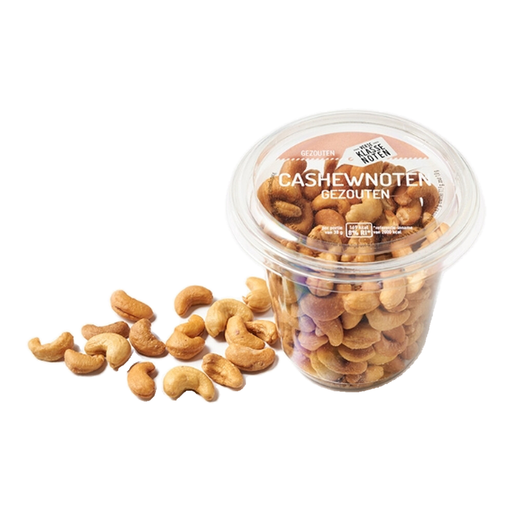 No image available
If you can eat cashews and want a salted snack, the product information gives details of the recipe and salt content.
The product information lists 98% cashew nuts, sunflower oil and 1% salt.
 No image available
If you’re looking for roasted, unsalted cashew nuts and can eat cashews, the title specifies the preparation method and salt level.
The product information lists cashew nuts as an ingredient and gives the salt content as 0.067 g per 100 g. Store in a cool, dry place and reseal the pack securely after opening.
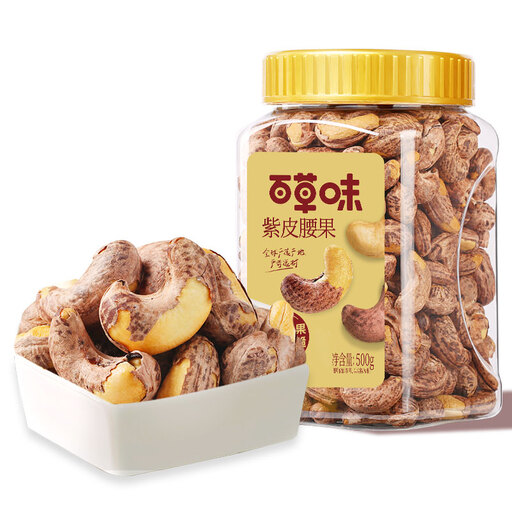 No image available
If you can eat cashews and are looking for a lightly salted snack, the product information lists cashew kernels with salt.
The product information specifies cashew nuts with purple skin, 180 grade and 500 g. The description recommends storing them in a cool, dry place.
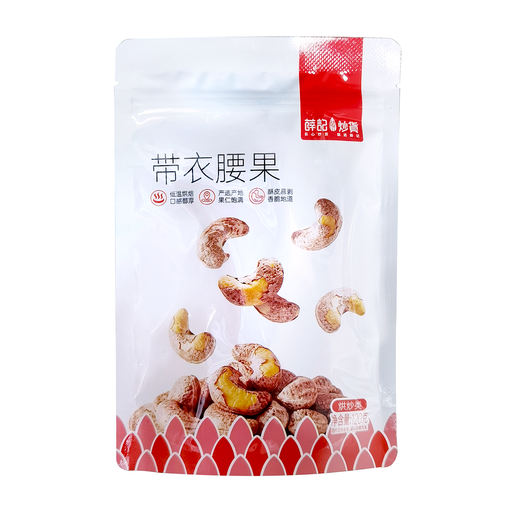 No image available
If you can eat cashews and want portions to take with you, the product information describes individually packed portions.
The description specifies 120 g portions and 0.9 g of salt per 100 g. It recommends consuming the product soon after opening.
No. Cashews are themselves a tree nut allergen. A gluten-free or lactose-free label doesn’t change that; if you have a cashew allergy, don’t choose cashew nuts.
No. Lactose intolerance affects the digestion of milk sugar; with a cow’s milk allergy, the immune system reacts to milk proteins. If you have a milk allergy, check the ingredients and allergen information rather than relying on a lactose-free claim alone.
This warning indicates that the product may have been unintentionally exposed to peanuts through cross-contamination; it doesn’t necessarily mean peanuts were deliberately added as an ingredient. If you need to avoid peanuts because of an allergy, don’t treat a product with this warning as a confirmed peanut-free option.
Check the gluten-free information on the exact pack. The Dutch product information lists AH Unsalted Cashew Nuts 170 g as gluten-free; the Duyvis Oven roasted cashews salted 125 g reviewed may contain wheat. Don’t assume a claim for one variety applies to a different pack.
Follow the storage and resealing instructions on the label for the variety you’ve chosen. The product information reviewed recommends storing various cashew nut products in a cool, dry place; for the AH variety, it also says to reseal the pack securely after use.