If you have a cashew nut allergy, don’t choose a cashew product as an allergy-friendly snack; look for an alternative that fits your personal avoidance advice. If you can eat cashews but avoid, for example, gluten or lactose, consider the free-from claim, ingredients and possible-presence warnings together: being unsalted or having a short ingredients list does not, by itself, prove that a product is safe for people with allergies.
Who is this guide for?
People who avoid cashews
You have a diagnosed cashew nut allergy and want to avoid being led to an unsuitable snack by a free-from claim. Avoiding cashews comes before taste, brand or preparation method. Jeroen Bosch Hospital discusses nut avoidance for children with a nut allergy; the Food Allergy Foundation lists cashew as a nut allergen that must be declared.
People who avoid other ingredients
Cashews fit your diet, but you avoid, for example, gluten or lactose, or have separate advice about peanuts or other nuts. You’re looking for information about a specific product, not a general promise that cashews are allergy-free. Albert Heijn labels one specific variant as gluten-free and lactose-free, alongside information about cashews and warnings about other nuts.
Allergy-aware households
You’re shopping for a household where ingredients and allergens need to be checked carefully. You want to distinguish between plain cashews, nut mixes and seasoned varieties, and check the packaging again next time you buy. Product information from Albert Heijn, PLUS and Jumbo shows why it’s important to check each variant separately.
What should you look for when buying?
First, establish which ingredient you need to avoid. Then check the exact recipe and any warnings on the packaging.
| What to consider |
What should you check? |
Who is this important for? |
| Avoiding cashews |
Check whether cashews are listed as an ingredient or allergen; a free-from claim for something else doesn’t change that. |
If your avoidance advice says you must not eat cashews, a cashew product isn’t suitable. Consumers who prioritise dietary suitability account for around 36% of shoppers in this purchasing decision. |
| Possible cross-contamination |
As well as the ingredients, read warnings such as ‘May contain ...’ or ‘Not suitable for people with a ... allergy’. |
If you want to know whether a relevant allergen could be present unintentionally, read this warning separately; consumers who prioritise this point account for around 29%. |
| Recipes and mixes |
Check the full product name and ingredients; don’t infer the recipe from ‘unsalted’ or the brand name alone. |
If you want to compare a simple recipe with a nut mix or seasoned variety, the ingredients are what matter. Consumers who prioritise checking the recipe account for around 21%. |
| Checking again |
Read the current packaging every time you buy, and follow the storage instructions for your chosen variant. |
When buying again, you’ll want to spot any changes to the information and compare products easily; consumers who prioritise this account for around 14%. |
These percentages show one main consideration for each consumer. They are an editorial estimate for this purchasing decision, not the result of consumer research.
Common mistakes
-
Assuming a free-from claim means a product is suitable for every allergy
The AH Unsalted Cashews reviewed are labelled gluten-free and lactose-free, but contain cashews and carry warnings about peanuts and other nuts.
Match each claim to the specific ingredient you avoid, and also read the full ingredients and allergen information.
-
Confusing a single ingredient with the absence of cross-contamination warnings
For the unsalted unroasted cashews reviewed, PLUS states ‘May contain PEANUTS’. For one unroasted variant, Jumbo warns that nuts and peanuts may be present.
Check the ingredients and warnings about possible unintended presence separately.
-
Choosing a mix or similar-looking variant without checking the ingredients
According to Duyvis, Cashews, Peanuts & Almonds Original also contains peanuts and almonds. Its recipe is therefore different from that of a single-ingredient cashew product.
Check the full variant name and ingredients; sharing a brand name doesn’t mean the allergens are the same.
-
Applying a warning for one pack to an entire range
On 20 May 2026, the Netherlands Food and Consumer Product Safety Authority published a warning about Trader Joe’s unsalted cashews, 170 g, with barcode 2003020120930 and best-before date 23-09-2026. The notice concerned that specific pack and does not apply to all ALDI cashews.
Compare the product name, barcode and best-before date with the warning before drawing conclusions; don’t apply a notice about one pack to other variants.
Brands and product ranges to explore
Duyvis
Relevant options include Cashews Original and a separate mix with peanuts and almonds.
- Duyvis describes Cashews Original as oven-roasted without added oil.
- The preparation method says nothing about allergy safety. According to Duyvis, the mix mentioned contains cashews, peanuts and almonds; check the exact variant.
Albert Heijn
The 100 g AH Unsalted Cashews reviewed have product-specific ingredient and dietary information.
- Albert Heijn lists 96% cashew nuts and sunflower oil, and describes the variant as gluten-free and lactose-free.
- The same product information lists cashews and the possible presence of peanuts and other nuts. Albert Heijn advises checking the current packaging again.
Jumbo
The variants reviewed include 140 g unroasted cashews and 200 g unsalted cashews; their recipes differ.
- For the 140 g variant, Jumbo lists cashews as an ingredient; for the 200 g variant, Jumbo lists 99% cashew nuts and sunflower oil.
- The product pages warn that nuts and peanuts may be present. This information applies to the variants mentioned, not the entire range.
PLUS
PLUS Unsalted Unroasted Cashew Nuts, 200 g, is a specific variant whose ingredients list is worth checking.
- PLUS lists cashews as an ingredient.
- PLUS also states ‘May contain PEANUTS’; the short recipe is therefore not a guarantee that the product is peanut-free. PLUS advises checking the current packaging.
Lidl
Alesto is a range of nuts and dried fruit; Lidl also sells Way To Go cashews.
- Lidl describes a Dutch cashew variety as roasted and salted, available in 250 and 500 g packs.
- This product description and Way To Go’s Fairtrade positioning don’t clarify the allergens. Check the packaging for the exact variant.
ALDI
The Trader Joe’s variant reviewed is roasted and unsalted, in a 250 g pack.
- ALDI confirms the variant and pack size on its product page.
- This product information is not a free-from guarantee. The NVWA warning about a different, specific 170 g pack should not be applied to this product range.
Cashew nuts at Joybuy
These Joybuy products include plain cashews and roasted varieties. They contain cashews and are therefore not suitable if you have a diagnosed cashew nut allergy; check the information for the exact variant if you avoid another ingredient.
 No image available
Jiazhouyuanye Original Flavour Large cashew nuts, 160 g
Contains cashews and is not suitable if you have a diagnosed cashew nut allergy. Only consider this product if cashews fit your diet.
View at Joybuy
 No image available
g'woon cashew nuts, roasted and unsalted, 200 g
The product name says roasted and unsalted. The product contains cashews and is not suitable if you have a diagnosed cashew nut allergy.
View at Joybuy
 No image available
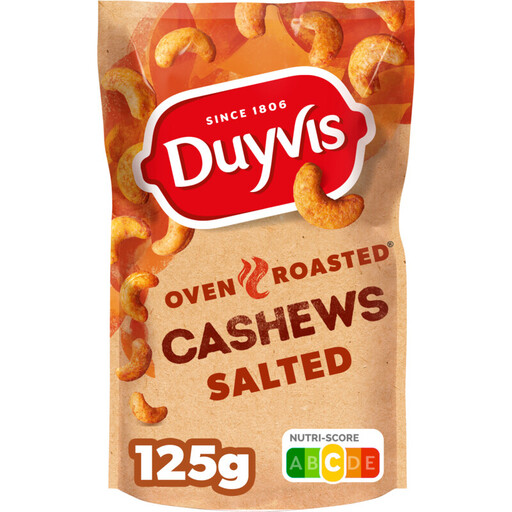
Duyvis Dry Roasted Cashews, 125 g
The product name says dry roasted. The product contains cashews; the product information also lists gluten, wheat and peanuts as allergens. Check whether that information fits your avoidance diet.
View at Joybuy
 No image available
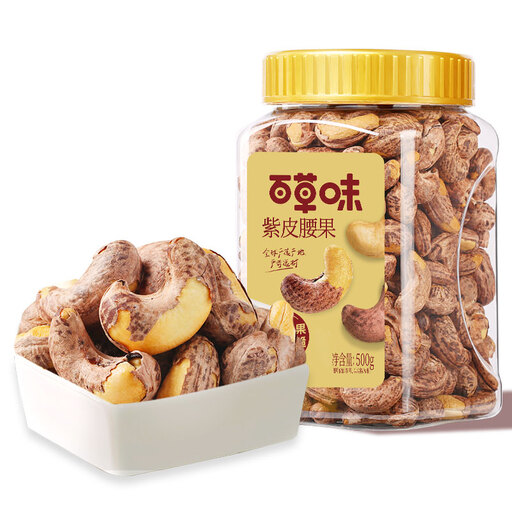
Be&Cheery cashews with purple skin, 180 grade, 500 g
Contains cashews and is not suitable if you have a diagnosed cashew nut allergy. Check the current ingredients and allergen information if you avoid other ingredients.
View at Joybuy
Frequently asked questions
Can I eat cashews if I’m allergic to another nut?
An allergy to one type of nut doesn’t automatically mean you’re allergic to all nuts. But that’s no reason to try a nut you suspect may cause a reaction. Find out which nuts you need to avoid, then check the ingredients and warnings for the specific product.
Do gluten-free or lactose-free claims mean cashews are allergy-free?
No. The AH variant reviewed is labelled gluten-free and lactose-free, alongside ‘Contains: Cashew’ and warnings about peanuts and other nuts. These statements answer a specific free-from question; they don’t tell you whether the product is suitable for every food allergy.
What do warnings about possible cross-contamination mean?
They are separate from ingredients deliberately used in the recipe. Since 1 January 2026, the Netherlands Food and Consumer Product Safety Authority has been overseeing the new rules for precautionary allergen warnings; the policy links such warnings to a risk assessment. Follow the personal avoidance advice for the allergen that is relevant to you.
Does a seller have to tell me which nuts are in loose products?
Yes. According to the Netherlands Food and Consumer Product Safety Authority, sellers of unpackaged food must inform customers about the allergens present. For nuts, it must be clear exactly which nuts are involved, so ask about the specific type.
Why should I read the packaging again when buying a product I’ve bought before?
Product and allergen information can change. Albert Heijn and PLUS advise checking the packaging, so check the exact variant, ingredients and warnings again, even if you’ve bought the product before.


