
Vandaag of morgen in huis

Kwaliteit gegarandeerd

Welkomstaanbiedingen ontgrendelen: GRATIS bezorging | Tot 80% korting | Gratis 30 dagen JoyPlus-proefperiode
Download de app
A great trip starts with the right preparation. A reliable carry-on suitcase is essential, yet the search is often frustrating. Suitcases sold as "cabin-approved" turn out to be too large at the gate. Wheels break off on the first kerb, and zips fail at the most inconvenient moment. These aren't exceptions; they are common pitfalls.
As a Joybuy Product Recommendation Officer, I see daily how marketing claims can differ from reality. This guide will help you see through the hype and choose a cabin suitcase that's built for the real world, not just the showroom.
Before we look at specific features, it's important to recognise the most common mistakes. This will help you avoid buyer's remorse.
Many manufacturers label their suitcases as "cabin-friendly." This is a vague claim. The permitted dimensions for carry-on luggage vary significantly between airlines. A suitcase that's fine for KLM might lead to expensive extra fees with Ryanair or EasyJet. Never blindly trust the marketing term; always check the specifications.
A lightweight suitcase sounds ideal, but the low weight is often achieved by using thin, fragile materials like cheap ABS plastic. These suitcases can crack on the first serious impact. The most vulnerable parts—the wheels, the telescopic handle, and the zips—are often low-quality and fail quickly. A few hundred extra grams for a sturdier model is a wise investment.
To make a durable and practical choice, focus on the following three key areas.
A hardside suitcase offers the best protection for your belongings. The material is crucial here.
Although rules vary, a 55 cm suitcase (in height) is often a safe choice for most European airlines. A common guideline is 55 x 35 x 20 cm. Always check the current regulations of the airline you're flying with before you travel. Measure the suitcase including its wheels and handles.
Based on these practical criteria, we have selected a few models that suit different travel profiles.
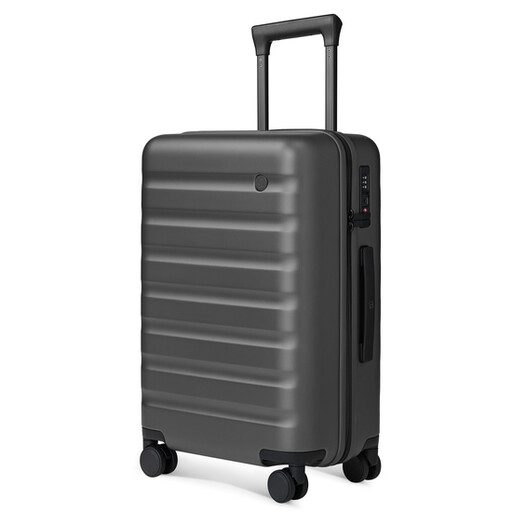
Why This Fits Their Persona: For the business or frequent traveller who values durability and smart details. The flat top can serve as a makeshift table for a laptop or coffee, and the robust construction is built for intensive use.
The shell is made of 100% polycarbonate, which is superior to brittle ABS. The manufacturer claims the zip is burst-proof, and the handles are recessed, minimising the risk of damage during transit and bypassing the pitfall of weak components.
Flat top for added convenience. Quiet 360° spinner wheels and a scratch-resistant texture.
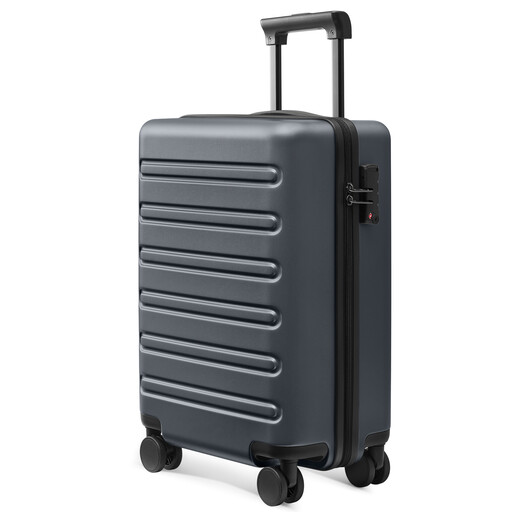
Why This Fits Their Persona: Ideal for those looking for a reliable suitcase for a weekend getaway or a short holiday, without the premium price tag. This suitcase offers all the essential features in a solid package.
The PC+ABS hardshell is a smart compromise that offers more durability than pure ABS. The dimensions (55.88 x 35.56 x 22.86 cm) are clearly stated, allowing you to check for yourself if they meet your airline's requirements and avoid the "one-size-fits-all" trap.
Good balance between price and quality. Equipped with 360° spinner wheels, a TSA lock, and an adjustable telescopic handle.
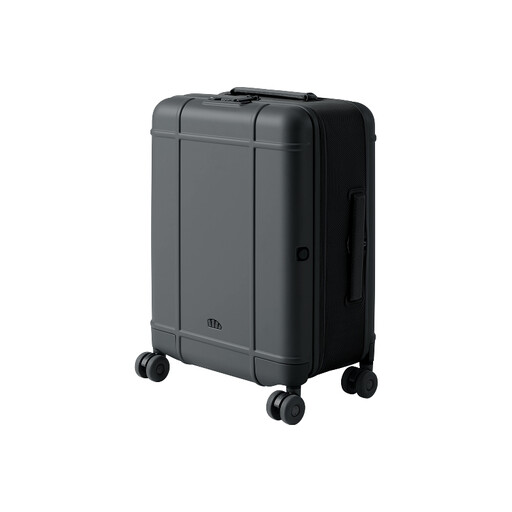
Why This Fits Their Persona: Perfect for those who live in an apartment or a smaller home and struggle with storage space. This suitcase offers the functionality of a full-sized trolley but can be folded down compactly after use.
This model tackles a different problem: storage. Instead of being a fragile, ultra-light suitcase, this design combines PC panels with durable fabric. It's a clever solution that doesn't compromise on core features like a TSA lock and 360° wheels.
Unique foldable design, reducing its thickness to about 13 cm. Ideal for storing under a bed or in a wardrobe.
We have compiled a complete, up-to-date list of products that fully meet these strict selection criteria and current regulations.
A 2-wheel suitcase (upright) must be pulled behind you. This can be strenuous on your arm and shoulder. A 4-wheel suitcase (spinner) can be rolled upright beside you, which requires far less effort and navigates more smoothly through crowds.
A hardside suitcase offers superior protection against impacts and is more water-resistant. This is ideal for transporting fragile items. Softside suitcases often have external pockets for quick access to documents and are more flexible if you're trying to pack just a little too much. The choice depends on your personal preference and what you're carrying.
Most TSA locks work in a similar way. The default code is usually 0-0-0.
