
Vandaag of morgen in huis

Kwaliteit gegarandeerd

Welkomstaanbiedingen ontgrendelen: GRATIS bezorging | Tot 80% korting | Gratis 30 dagen JoyPlus-proefperiode
Download de app
A good carry-on suitcase is the foundation of a seamless journey. Yet, the search is often frustrating. You're flooded with marketing jargon, vague specifications, and promises that hold little real-world value. The result? A suitcase that breaks after three trips or, even worse, gets rejected at the gate, leading to a hefty surcharge.
As a Joybuy Product Recommendation Officer, I see the challenges travellers face daily. Let's skip the marketing fluff and focus on what truly matters. These are the most common pitfalls and how to avoid them.
To avoid buyer's remorse, you need to focus on a few objective specifications. These are the three most important factors that determine if a suitcase is worth its price.
Dimensions are crucial. While many airlines use a guideline of 55 x 35 x 25 cm, there are always exceptions. A popular size like a 56x38x23 cm trolley often fits, but always double-check on your airline's website before departure.
Also, pay attention to the weight of the suitcase itself. Every kilogram the suitcase weighs is a kilogram you can't pack. A lightweight suitcase gives you more freedom to bring your belongings without exceeding the limit.
For a hardside suitcase, the material is everything.
Practical convenience is in the details.
Based on these objective criteria, we have selected a few products that suit different travel profiles.
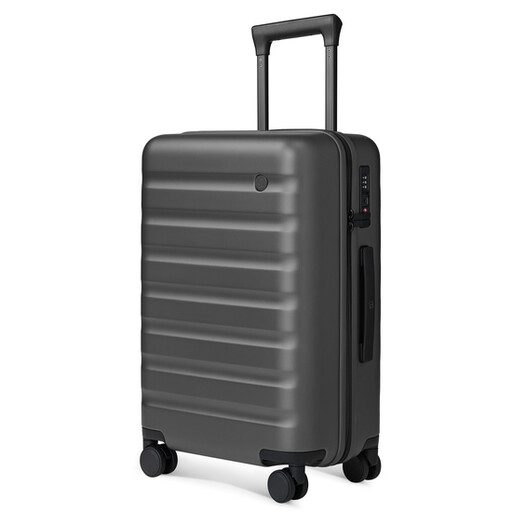
Why This Fits Their Persona: Ideal for the business traveller or for a planned weekend trip suitcase. This suitcase combines a professional look with functional, reliable specifications for those who have no time to waste.
The shell is made of 100% polycarbonate, which is superior to brittle ABS. The dual spinner wheels and the recessed TSA lock tackle the most common annoyances of cheap suitcases.
Scratch-resistant textured hardshell; SGS-certified silent 360° wheels; waterproof PVC pocket inside.
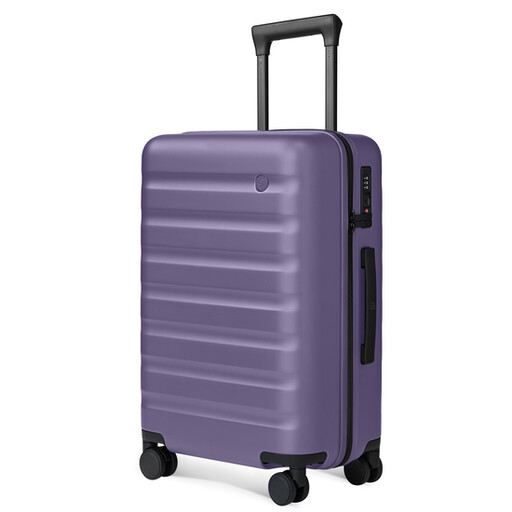
Why This Fits Their Persona: For those who see travel as an extension of their personal style. This suitcase offers the same high functionality as its gray counterpart but with a striking color that stands out on the baggage carousel and in the hotel.
Style doesn't come at the expense of quality here. The dimensions (56 x 38.5 x 23 cm) are clear, the material is durable polycarbonate, and the hardware (wheels, lock, zipper) is designed for heavy use.
Features a 'burst-proof' zipper tested over 2,500 times; fully recessed hardware prevents snagging and damage.
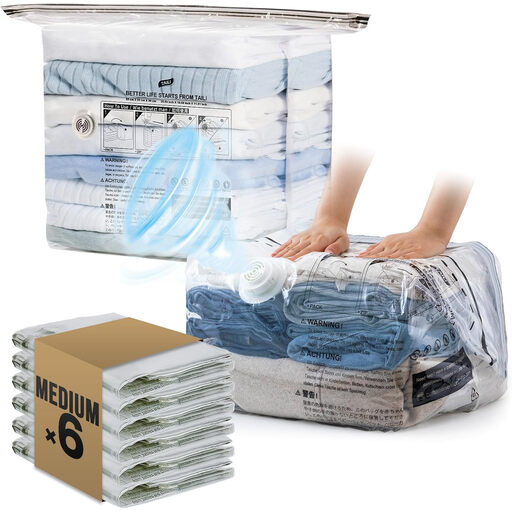
Why This Fits Their Persona: For the traveller who wants to get the most out of the limited space in a carry-on suitcase. Instead of cramming, you efficiently compress clothing and keep everything organised and fresh.
This tackles the core problem: lack of space. Instead of buying a larger (and potentially non-compliant) suitcase, you optimise the space you have. This ensures you always stay within the size limits.
Compresses clothing up to 3x its volume without a pump (hand-compression); made of tear-resistant and waterproof PA+PE material.
We have compiled a complete, up-to-date list of products that fully meet these strict selection criteria and Dutch regulations.
Rules can change, so always check before your flight. Currently (July 2026), KLM typically allows a maximum size of 55 x 35 x 25 cm. At Transavia, this is often 55 x 35 x 25 cm for a cabin suitcase that is guaranteed to be allowed in the cabin. A smaller item (40 x 30 x 20 cm) is always allowed under the seat.
Yes, based on material properties, polycarbonate is the superior choice for durability. It is more flexible and can therefore withstand impacts and drops better than the more rigid and brittle ABS. A 100% PC suitcase is an investment that pays for itself in the long run with a longer lifespan.
Most TSA locks work in a similar way. The default code is usually 0-0-0. To set a new code, open the lock and look for a small (reset) button, often recessed into the mechanism. Press it with a pen, set your new three-digit code, and confirm by sliding or pressing the opening button. The manufacturer's instructions, like those included with the NINETYGO suitcases, provide a clear guide for this.
