
Vandaag of morgen in huis

Kwaliteit gegarandeerd

Welkomstaanbiedingen ontgrendelen: GRATIS bezorging | Tot 80% korting | Gratis 30 dagen JoyPlus-proefperiode
Download de app
Buying a new carry-on suitcase seems simple—until you get to the airport. The case doesn't fit in the overhead bin, a wheel breaks on the way to the gate, or the zipper fails after just one trip. Many travellers fall into the same traps, lured by marketing claims that fall flat in practice. Before you invest in a new travel companion, it's wise to understand the most common mistakes.
To avoid buyer's remorse, focus on a few key specifications. These will determine whether your suitcase becomes a reliable companion or a source of frustration.
The exterior, or 'shell', is crucial for durability. With a hardshell suitcase, you'll typically encounter two materials:
The term cabin suitcase is not a regulated standard. Always check the maximum dimensions of the airlines you fly with most often. The IATA guideline is 55 x 35 x 20 cm, but carriers like Ryanair and Transavia often have their own, stricter rules. A 20-inch suitcase is a common size that is usually accepted, but always measure the total dimensions, including wheels and handles. A good suitcase is designed as a travel case for 3-5 days and maximises internal space within these limits.
Comfort and security make all the difference during your journey.
Based on these criteria, we have selected several suitcases that suit different travel styles.
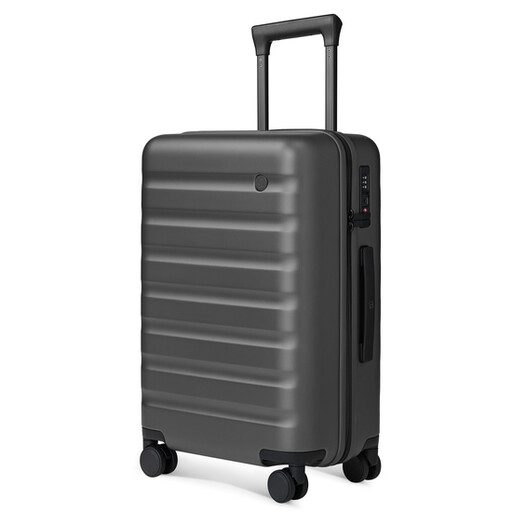
Why This Fits Their Persona: Ideal for the professional who values functionality and a sleek design. The flat top can serve as a temporary table for a laptop or coffee, and the silent wheels ensure a discreet arrival.
This NINETYGO suitcase is made from 100% polycarbonate, making it resistant to impacts and preventing it from cracking like cheaper ABS models. The 360° dual spinner wheels are designed for smooth, long-lasting use.
A fully recessed TSA lock prevents damage. The zipper is a dual-toothed, burst-resistant variant for extra security.
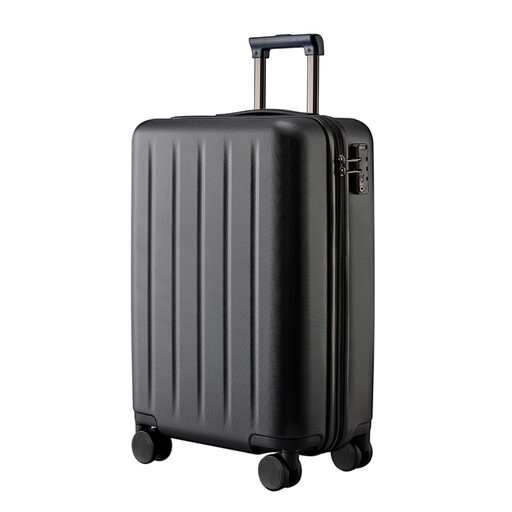
Why This Fits Their Persona: A reliable and stylish all-rounder for short trips of 3-5 days. Its minimalist design and practical layout make packing simple, while the robust construction provides peace of mind.
The dimensions (56.5 x 38 x 23 cm) are optimised for most airlines. The polycarbonate shell with a scratch-resistant texture protects against the usual wear and tear of travel.
Silent, dual spinner wheels for effortless manoeuvring. Internal zippered compartments and X-shaped straps keep your belongings organised and in place.
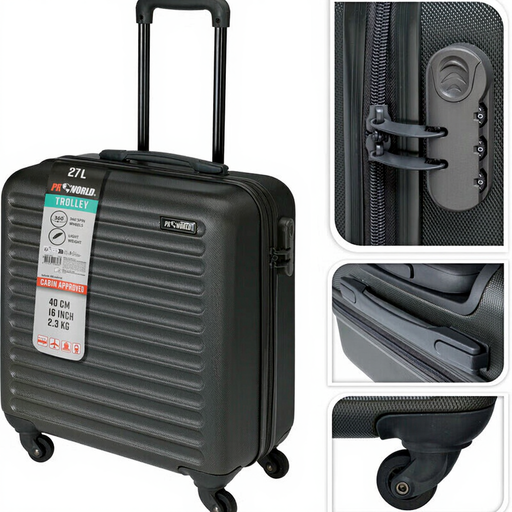
Why This Fits Their Persona: For the minimalist traveller who only packs the essentials for an overnight trip or as an extra bag. No-frills, just a practical and compact solution.
Thanks to its 16-inch size, this suitcase is virtually guaranteed to be allowed as carry-on, even with the strictest airlines. You avoid the pitfall of an oversized 'cabin suitcase'.
Extremely light and easy to handle. Ideal for train travel or when you have a lot of walking to do. The focus is on simplicity and an attractive price point.
We have compiled a complete, up-to-date list of products that meet these strict selection criteria and current regulations.
Most TSA locks work in a similar way. Open the lock with the default code (usually 0-0-0). Find a small, recessed button, often next to the dials. Press this button with a pen or other pointed object until you hear a click. Then, set your personal code. Finally, slide the unlock button; the setting button will pop back out, and your new code is set.
You pull a 2-wheel suitcase behind you. This is often more stable on uneven terrain like cobblestones or carpet. A 4-wheel spinner suitcase can be rolled upright beside you, which puts less strain on your arm and shoulder. This is especially convenient on the smooth floors of an airport. The choice depends on your personal preference and the type of trip.
The lifespan heavily depends on the material and frequency of use. A hardshell suitcase made of 100% polycarbonate (PC) can last for many years and dozens of trips with normal use. A cheaper suitcase made of ABS plastic is more vulnerable and can show signs of wear or even crack after just a few trips. Investing in a quality material pays off in the long run.
