
Cooking a large pan
You’re already making the soup in a pan and want to blend it for your guests without transferring it while hot. The Consumers’ Association says that blending soup straight in the pan is convenient.


For a large pan of carrot and ginger soup, a hand blender is handy if you want to blend the soup straight in the pan. With a jug blender, you’ll need to transfer the soup, and the usable capacity may mean blending in batches. A soup maker combines heating and blending, but make sure its stated capacity is right for your guests. Whichever jug blender you choose, check the instructions for hot ingredients.
You’re already making the soup in a pan and want to blend it for your guests without transferring it while hot. The Consumers’ Association says that blending soup straight in the pan is convenient.
You want a smooth texture and need to know whether the jug is suitable for hot ingredients and has enough usable capacity. The Consumers’ Association says a heat-resistant jug is essential for making soup in a blender.
You want to heat and blend in a soup maker, and will check in advance whether its stated capacity is enough. Philips says the refurbished HR2204/80R1 holds 1.2 litres, making four portions.
The Consumers’ Association describes blending soup straight in the pan as a convenient option. For a meal with guests, you’ll also need to consider whether the appliance is suitable for hot soup, its capacity and how easy it is to clean.
| What to consider | What to look for when buying | Who is this most important for? |
|---|---|---|
| Blending a large pan | Check whether you can blend the soup straight in the pan, and consider the grip and cord length. | I want to keep the soup in the cooking pan rather than transfer it in batches; around 36% of consumers give top priority to blending in a large pan. |
| Hot soup and texture | Check the model instructions for hot ingredients and compare the jug’s usable capacity with the amount of soup you’re making. | I care about a smooth result and clear instructions for hot ingredients; around 29% of consumers prioritise suitability for hot soup and texture. |
| Heating and blending | Compare the stated number of portions with your guest list and check that you’re looking at the right model variant. | I want to heat and blend in one appliance, even if I may need to make the soup in several batches; around 21% of consumers give this combination top priority. |
| Cleaning and other uses | Check which parts are removable or dishwasher-safe, and whether any included attachments are useful for other dishes you make. | I want less washing-up after the meal and to use the parts for other tasks too; around 14% of consumers give the most weight to ease of cleaning and versatility. |
For the Tefal PerfectMix+ BL871D31, Tefal states that the jug holds 2 litres, with a usable capacity of 1.5 litres. These figures aren’t interchangeable when you’re working out how much soup you can blend in one batch.
Compare the usable capacity with the amount of soup you want to make.
Not every blender jug is designed for hot ingredients. The Consumers’ Association says a heat-resistant jug is essential for making soup in a blender.
Check the manual for your exact model variant for guidance and approval for hot ingredients.
Philips states that the refurbished HR2204/80R1 has a capacity of 1.2 litres for four portions. If you’re serving more guests, you may need to make several batches.
Work out how much soup you want to serve and compare it with the stated portion size.
The Dutch government says you should contact the retailer if a product is faulty. An extended warranty doesn’t automatically replace your statutory rights.
Check what extra cover an extended warranty offers before paying for it.
MultiQuick hand blenders are an option if you want to blend soup straight in the pan.
The PerfectMix+ BL871D31 is a jug blender to compare if you’re looking for a model suitable for hot ingredients, with a usable capacity of 1.5 litres.
According to Philips, the refurbished SoupMaker HR2204/80R1 combines heating and blending, with dedicated soup programmes.
The VitaPower MMB6141B is a jug blender worth comparing for capacity and ease of cleaning.
This selection includes hand blenders for blending soup in the pan, and jug blenders for those who want to prepare soup in a jug. Check the instructions for hot ingredients for each model variant, and compare the capacity with the amount you need.
 No image available
A jug blender to consider if you want to blend soup in a jug; check the manual to see whether this model variant is suitable for hot ingredients.
The product name lists 1200 W and 1.5 L. Check the usable capacity for the amount you plan to make.
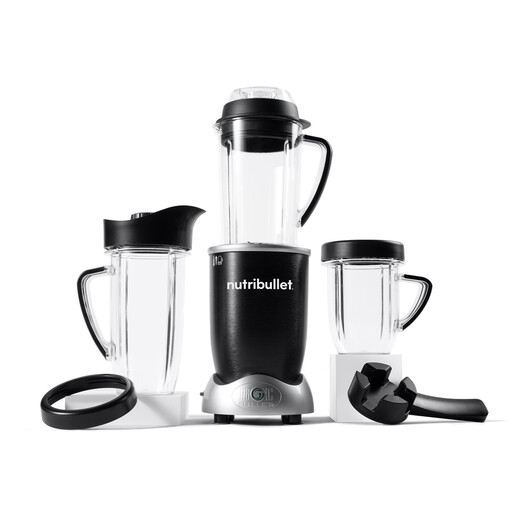 No image available
A blender to consider if you’re thinking of blending hot ingredients in a jug; check the instructions for use with hot ingredients and the capacity per batch.
The product name lists a 10-piece set and heat-resistant cups.
 No image available
A hand blender to consider if you want to blend soup straight in the pan.
The product name lists 800 W and a stainless steel design.
 No image available
A hand blender to consider if you want to blend soup in the pan and use a whisk and chopper too.
The product name lists two speeds, an 800 ml beaker and a 500 ml chopper bowl.
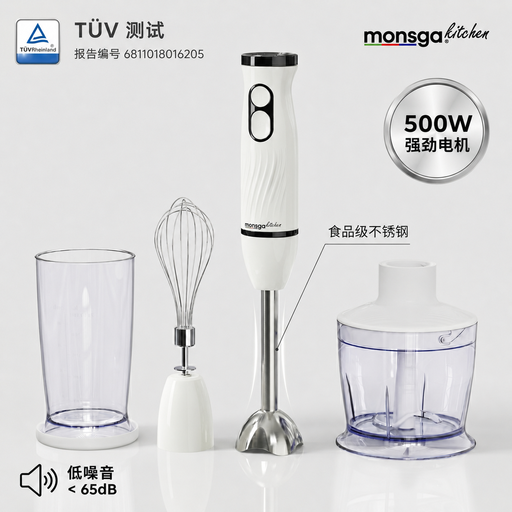 No image available
A hand blender to consider if you want to blend soup in the pan and use a whisk; check that the listed attachments suit your other cooking tasks.
The product name lists a standard and turbo setting, a 500 ml chopper bowl, a 500 ml beaker and a 1.5 m cord.
Yes. Cooking them until tender makes carrots easier to blend. The Consumers’ Association says cooked hard vegetables are easier to blend; add liquid if needed for a smooth mixture.
No, don’t assume you can. Check whether the manufacturer allows hot ingredients in the exact jug you have, and follow the filling and use instructions. The Consumers’ Association says a heat-resistant jug is essential for making soup in a blender.
It varies by model. Check the manual for the base, jug, blades and attachments; a removable hand blender shaft can make cleaning easier.
Yes. The Netherlands Food and Consumer Product Safety Authority (NVWA) says CE marking is mandatory for electrical products sold on the Dutch market. This general rule doesn’t prove that a specific model has been individually checked.
In the Netherlands, the retailer is your point of contact if a product is faulty, according to the Dutch government. There’s no fixed statutory warranty period; a paid extended warranty is most relevant if it gives you something beyond your existing rights.