
Vandaag of morgen in huis

Kwaliteit gegarandeerd

Welkomstaanbiedingen ontgrendelen: GRATIS bezorging | Tot 80% korting | Gratis 30 dagen JoyPlus-proefperiode
Download de app
A drink spilt on the sofa, mud on the rug or a pet accident on the car seat: a regular vacuum cleaner removes dry dirt, but it isn’t designed to extract moisture and set-in stains from fabric. A carpet and upholstery spot cleaner usually sprays water mixed with cleaning solution into the fibres, then sucks the dirty water back up.
However, not every machine is suitable for every job. Watch out for these common pitfalls.
A figure such as 15, 17, 18 or 20 kPa sounds clear-cut, but it doesn’t tell you everything about the results. The nozzle, airflow, hose length and seal also affect how well a machine extracts moisture. What’s more, high suction power isn’t the same as a full spray-extraction function.
So check that the machine actually sprays, brushes and vacuums. A wet and dry vacuum that can pick up liquid won’t automatically work as an upholstery cleaner.
A single tank may seem straightforward, but it can make it easier for clean and dirty water to mix. With dual water tanks, clean water stays separate from the dirty water that’s been vacuumed up. Check the capacity, too. A compact spot cleaner is handy for a chair or a few stains, but you’ll need to refill and empty it more often when cleaning a large sofa.
After use, moisture, hair and cleaning solution residue can remain in the hose, brush or dirty water tank. If the parts are difficult to reach, cleaning the machine can become a chore. Look for removable tanks, washable filters and the option to let hoses and nozzles dry completely.
A steam function isn’t automatically suitable for every material. Always test it on an inconspicuous area first and follow the manufacturer’s care and cleaning advice.
For a carpet, fabric sofa, mattress or car seat, you need a machine that dispenses liquid and then sucks it back up. This type of machine is also known as a spray-extraction cleaner, carpet and upholstery cleaner or furniture cleaner.
A suitable nozzle should fit snugly against the surface. A narrow suction nozzle is useful for stairs, seams and car seats. A wider brush can clean a sofa seat more quickly. Also check whether the manufacturer approves the cleaning solution you plan to use. Too much foam can make the machine harder to use and maintain.
A dual tank is a practical choice for more hygienic cleaning:
For occasional stains, a compact tank is often enough. If you’re cleaning several rooms, sofas or car interiors, larger tanks are more convenient. Just bear in mind that a larger model takes up more storage space.
A long hose and power cable mean fewer trips to find a socket. For example, a hose of around 1.8 metres is handy for cars, while a larger living room benefits from extra reach.
Also consider the weight. A heavy machine with a large tank may be stable, but it’s less convenient on stairs. A compact upholstery cleaner is easier to move around, but may not be suitable for longer cleaning sessions. The stated noise level, such as 75 or 84 dB, gives you an idea of what to expect during use. According to the brand’s product information, the actual experience may depend on the surface and the setting you choose.

Why it suits this profile: This compact model is designed for carpets, sofas, stairs and car seats. Its 1.8-metre hose makes it handy for small cleaning jobs without having to move a large machine around.
According to the product information, the machine has separate tanks for clean and dirty water. This means you don’t have to use one tank for both.
500 W motor, dual water tanks and Spot & Pet cleaning formula included, according to the product description.
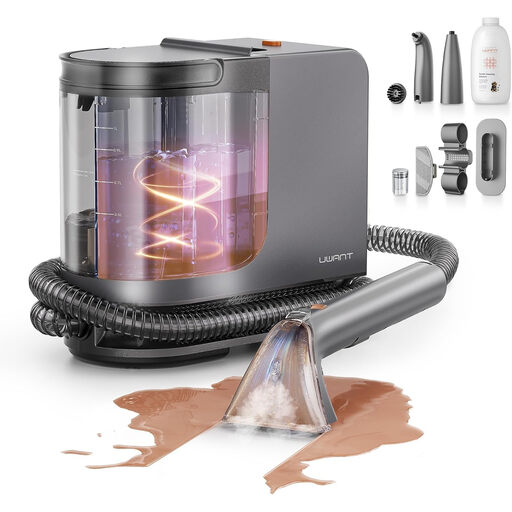
Why it suits this profile: Suitable for households that regularly clean sofas, beds, carpets or car interiors and want a machine that’s compact and easy to operate.
The product information specifies a combined design for clean and dirty water. The stated 18,000 Pa should be treated as a product specification, though, not a guarantee that every stain will be removed.
600 W, stated suction power of 18,000 Pa and a brush width of 14 cm, according to the product description. The stated noise level is 75 dB.
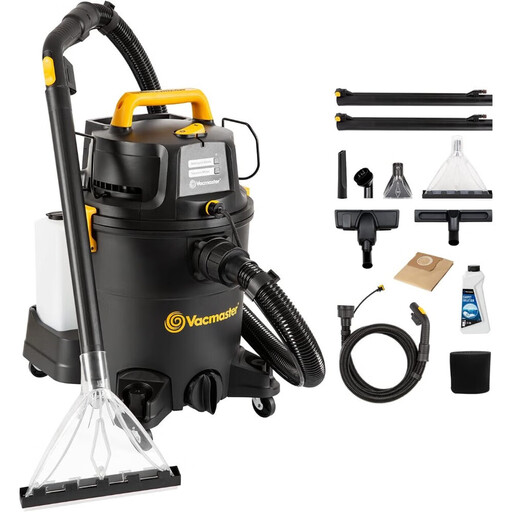
Why it suits this profile: This larger machine is a good fit for people who regularly clean large carpets, several sofas, stairs or car interiors.
The product description lists separate filters for dry vacuuming, wet pick-up and shampooing. This makes its functions clearer than those of a standard vacuum cleaner.
1300 W, a 23-litre collection tank and a separate 6-litre detergent tank, according to the product information. The stated noise level is 72 dB.
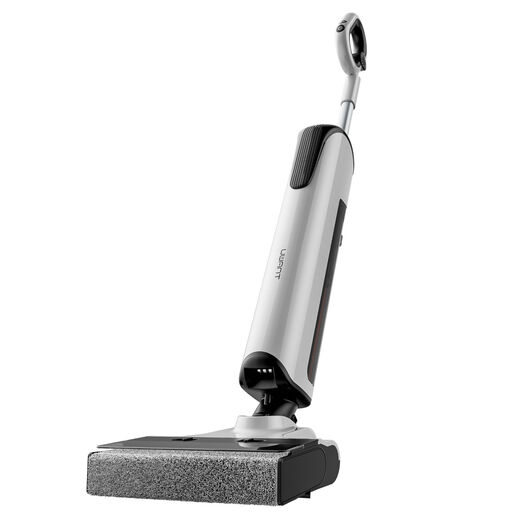
Why it suits this profile: This model is designed for wet and dry cleaning of hard floors. It may be a practical choice for households with a mix of different surfaces.
According to the product information, its stated cleaning functions, water control and self-cleaning base reduce the need for manual maintenance. Check beforehand whether your carpet is suitable for this type of floor cleaner.
Stated suction power of 20,000 Pa, a 180° tilting design and a stated running time of 45 minutes, according to the product description.
We’ve put together a complete, up-to-date list of products that meet these strict selection criteria and comply with current European safety regulations.
When removing pet stains, it’s important to act quickly. First scoop up any solid matter, blot up excess moisture and only use a product suitable for the fabric in question. A machine removes visible dirt and moisture, but the results also depend on how old the stain is and what material it’s on.
Often, yes, as long as the fabric is water-resistant and the manufacturer allows wet cleaning. Test an inconspicuous area first. Use a suitable upholstery cleaner and take care not to soak the sofa.
Empty and rinse the dirty water tank after every use. Clean the nozzle and check the filters regularly. Let all the parts dry completely before reassembling the machine; this helps prevent lingering smells and blockages.
Running costs mainly include electricity, water and cleaning solution. A compact machine often has smaller tanks, while a larger model needs refilling less often. Use the recommended amount of cleaning solution to avoid waste and excess foam.
