
Vandaag of morgen in huis

Kwaliteit gegarandeerd

Welkomstaanbiedingen ontgrendelen: GRATIS bezorging | Tot 80% korting | Gratis 30 dagen JoyPlus-proefperiode
Download de app
Carpets have to put up with a lot: crumbs, mud, pet hair and spilt coffee can quickly work their way into the fibres. A standard vacuum cleaner will pick up loose dirt, but it isn’t designed for damp stains or dirt that has worked deep into the pile. A good carpet cleaner can therefore be a practical addition to any home, especially for families and pet owners.
However, it’s not always easy to compare the options. Manufacturers use different terms for suction power, run time and cleaning features. So don’t base your decision on one impressive figure or a tempting promise.
A figure such as 17,000 Pa or 55,000 Pa sounds clear-cut, but it doesn’t tell you everything about how a machine performs in practice. Suction also depends on the nozzle, airflow, hose and the way the machine handles dirty water. Always compare the complete system.
For example, a wet carpet cleaner needs to apply clean water and then suck up the dirty water. A cordless vacuum cleaner is usually designed for dry dirt and pet hair, not spilt liquids.
After spraying, there will always be some moisture left behind when you use a carpet and upholstery cleaner. How quickly the surface dries depends on how much water you use, your suction strokes, ventilation and the material of the carpet or sofa.
Don’t use more cleaning solution than instructed, and work in slow, overlapping strokes. Then let the carpet dry completely before children or pets walk on it.
A machine with a dirty water tank isn’t maintenance-free. If dirty water, hair or traces of cleaning solution are left inside, odours can develop. Check:
Regularly emptying and maintaining the filter is also important for a carpet vacuum cleaner. A full dust container or clogged filter can reduce airflow.
Choose a spot cleaner or handheld carpet cleaner if you mainly want to tackle individual stains on a sofa, rug, mattress or car seat. These models spray a small amount of liquid and then suck it back up.
For everyday dust, crumbs and pet hair, a cordless vacuum cleaner or pet hair upright vacuum is more convenient. It’s quicker to get started, but it won’t replace wet cleaning for stains that have worked deep into the fibres.
The stated motor power, such as 550 or 600 watts, doesn’t directly indicate the suction power at the nozzle. A Pa rating should also be treated as a manufacturer’s product specification, not a universal performance standard.
Also consider the tank capacity. A larger dirty water tank means you’ll need to empty it less often, but it can make the machine heavier. A dual-tank system keeps clean and dirty water separate. This is useful for deep-cleaning carpets and cleaning sofas or car seats.
A cordless model gives you more freedom to move around, but has a limited run time and needs charging. Check whether the stated run time applies to the lowest setting or the carpet setting. For a corded model, the cable and hose lengths matter. A 5-metre cable or longer hose can save you from having to keep switching sockets.
A compact machine is usually enough for a small stain. For several rooms or a larger household, it’s the combination of reach, tank capacity, weight and ease of maintenance that matters most.
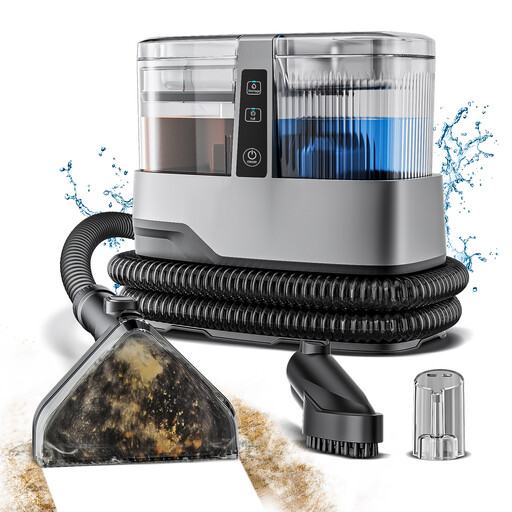
Why it suits this type of user: This corded model is designed for spot-cleaning carpets, upholstered furniture and car seats. It’s simple to use, with no battery to charge.
According to the product specifications, this model has clean and dirty water tanks and a 5-metre cable. So it isn’t a standard dry vacuum cleaner that’s unsuitable for liquids.
According to the manufacturer: 600 W motor, stated suction power of 17,000 Pa, and spray, brush and suction functions.
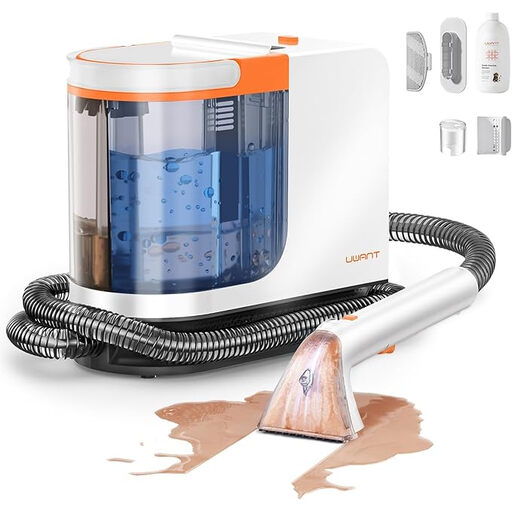
Why it suits this type of user: A good choice if you want one portable machine for rugs, sofas, car seats and other fabric surfaces.
The product specifications list a combined water tank system and a wide 14 cm brush. Check that these dimensions will suit narrow spaces and your furniture.
According to UWANT’s own product information: 600 W, stated suction power of up to 18,000 Pa and a stated noise level of 75 dB.
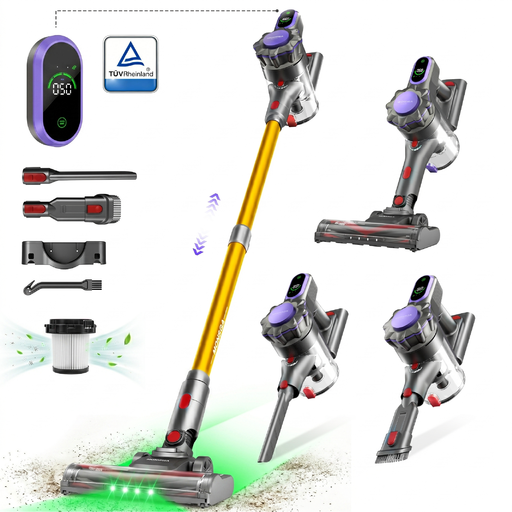
Why it suits this type of user: This cordless upright vacuum is designed for everyday dry dirt, carpets and pet hair across several rooms or floors.
The display shows the stated run time, battery status and maintenance alerts. This model isn’t designed for wet surfaces; use a separate carpet cleaner for those.
According to the product description: up to 55 minutes’ run time, 550 W, an anti-tangle brush and a 0.7-litre dust container.
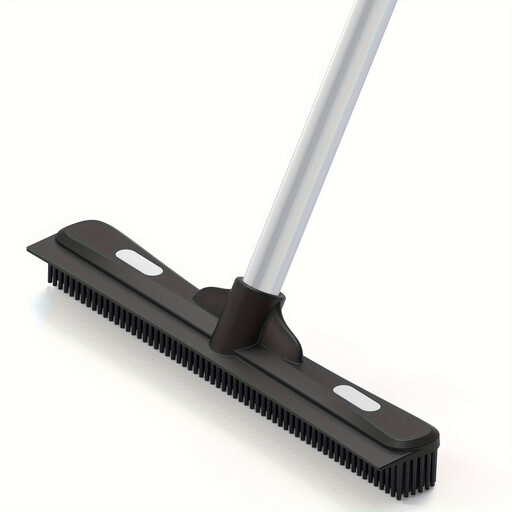
Why it suits this type of user: A manual carpet cleaner is handy for removing pet hair from carpets and hard floors, with no electricity, battery or water tank needed.
There’s no battery to lose capacity and no filter that can get clogged with hair. However, don’t expect wet cleaning or the removal of stains that have worked deep into the fibres.
According to the product description: rubber bristles, an adjustable 61-inch handle and an integrated squeegee for smooth surfaces.
Don’t use electrical appliances in a way that goes against the safety instructions. A wet cleaner isn’t automatically suitable for flammable liquids, boiling water or every type of flooring.
We’ve put together a full, up-to-date list of products that meet these strict selection criteria and the applicable European safety regulations.
You can if the manufacturer lists upholstered furniture and car seats as suitable uses. Check the material first and test on a hidden area. Use a small amount of liquid on thick upholstery and make sure there’s enough ventilation while it dries.
It depends on how the carpet is used, your household and whether you have pets. Spot-clean stains as soon as possible. You usually won’t need to wet-clean the whole carpet after every minor mishap. Cleaning too often or using too much water can extend drying time, and wet cleaning isn’t suitable for every carpet.
As well as the purchase price, you’ll pay for electricity or battery charging, water and possibly cleaning solution. A corded model doesn’t need a replacement battery; a cordless vacuum cleaner may be more economical for everyday dry dirt. Before you buy, compare maintenance needs, consumables and how often you expect to use it.
