
Vandaag of morgen in huis

Kwaliteit gegarandeerd

Welkomstaanbiedingen ontgrendelen: GRATIS bezorging | Tot 80% korting | Gratis 30 dagen JoyPlus-proefperiode
Download de app
A spilt drink, muddy children’s shoes or a pet accident: stains often appear on carpets and upholstery faster than you can prevent them. A carpet cleaner can be more practical than calling in a professional cleaning company every time. Yet many models look similar, while the differences in suction power, water usage and operation can be significant.
Pay particular attention to these three common pitfalls:
After spraying, a carpet cleaner should collect as much of the dirty water as possible. A model with strong suction power can help leave less moisture in the fibres, but the result also depends on the brush, the number of cleaning passes and the type of material.
Product descriptions sometimes state 12,000, 13,000, 15,000 or 18,000 Pa. These figures are not necessarily directly comparable: manufacturers may use different measurement methods. Treat them as one selection criterion, rather than a guarantee of a particular cleaning result.
Allow cleaned fabrics to dry thoroughly. Good ventilation, using no more cleaning solution than necessary and working steadily can all help.
Separate clean- and dirty-water tanks prevent you from continuing to work with the same dirty water. Check:
For occasional stains, a portable carpet cleaner with a smaller tank is often sufficient. For larger areas, models holding around 1.2 to 1.7 litres are more practical, as you will need to refill or empty them less often.
According to some brands’ product descriptions, warm water can help tackle greasy dirt. For example, the Uwant B200 SE is designed for water up to 60 °C. Do not exceed the stated temperature, as this could damage the seals or the reservoir.
A steam cleaner for carpets works differently from a conventional spray-extraction cleaner. Steam loosens dirt, but the machine must also remove the moisture effectively afterwards. Only use steam when the material is suitable for it. Claims about bacteria, mites or “sterilisation” come from the brand’s product communications and should not be interpreted as medical or health claims.
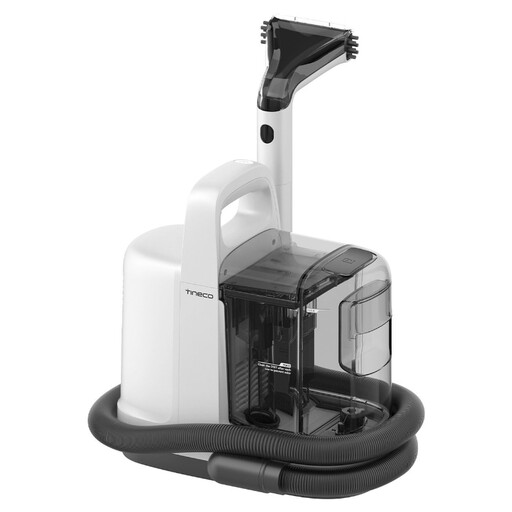
Why it suits this profile: This compact model is designed for isolated stains on sofas, carpets, mattresses and car seats. Its portable design takes up little space.
The product description mentions two separate tanks and an integrated sprayer, keeping cleaning solution and dirty water separate.
400 watts, rotating brush, removable tank and upholstery attachment included.
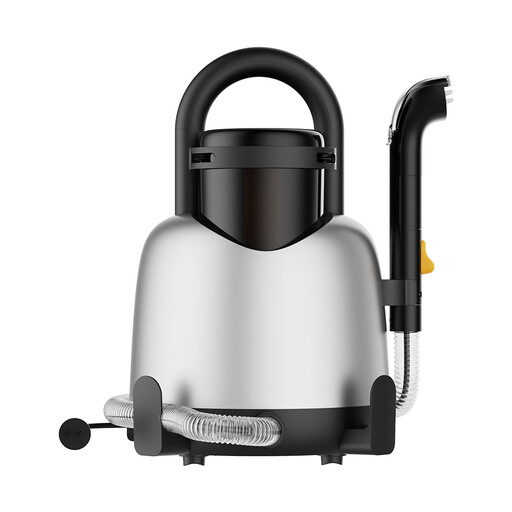
Why it suits this profile: This model offers several cleaning modes and accessories for households that regularly want to clean different fabrics.
The specifications mention separate clean- and dirty-water tanks and a self-cleaning function, which can make maintenance easier to manage.
1700 watts, stated suction power of 13 kPa, three water modes and 1.7- and 1.4-litre tanks.
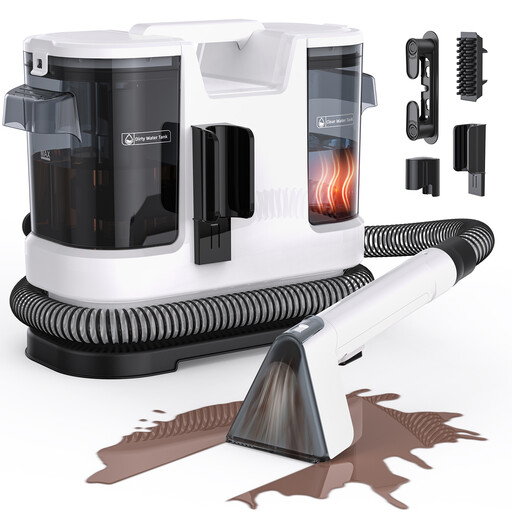
Why it suits this profile: The mains-powered design and larger format suit anyone wanting to clean carpets, sofas and car interiors in a single session.
According to the product name, this model has a stated suction power of 15,000 Pa, a large reservoir and a long power cable. Check the full technical specification for the exact tank capacity.
1400 watts according to the product name, upholstery cleaning and use on carpets, furniture and car interiors.
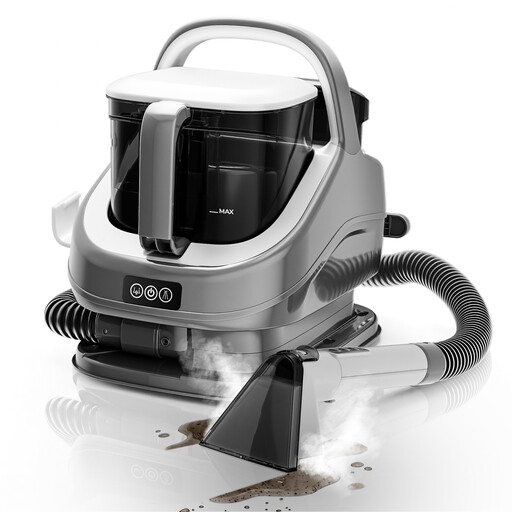
Why it suits this profile: The three settings make this model appealing for anyone who alternates between cleaning carpets, sofas, stairs, cushions and car seats.
The product description states that it has separate 1400 and 1200 ml tanks and a 1.1-metre hose. After use, the components must be rinsed and dried.
1300 watts, stated suction power of 13 kPa, cold water, warm water and steam, plus a 3-metre cable.
We have put together a complete, up-to-date list of products that fully meet these strict selection criteria and the applicable European safety regulations.
A carpet cleaner is more economical to run and will generally remain usable for longer when you use it correctly:
For regular use, replacement parts, warranty terms and the availability of replacement brushes matter more than the purchase price alone. Also check electrical safety, the CE mark and the safety information in Dutch. When buying online, the statutory consumer rights in the European Union also apply. The stated warranty may vary from one product page to another, so check the current terms and conditions before buying.
Often yes, provided the fabric is water-resistant and the manufacturer states that it is suitable for upholstery. Use a suitable small nozzle and do not make the surface wetter than necessary. Leather, silk and delicate or glued fabrics require extra care.
That depends on your household. A spot cleaner is suitable for occasional incidents, while a carpet and upholstery cleaner with larger tanks is more convenient for periodic maintenance. Cleaning with water too often can increase drying time and wear, so remove loose dirt while dry first.
As well as electricity, you will use water and possibly cleaning solution. Energy consumption depends on the wattage and how long the cleaner is used. A model with heating or steam may use more electricity than a basic fabric cleaner. So do not look only at the purchase price; also consider tank capacity, cleaning time, maintenance and the cost of suitable accessories.
