
Vandaag of morgen in huis

Kwaliteit gegarandeerd

Welkomstaanbiedingen ontgrendelen: GRATIS bezorging | Tot 80% korting | Gratis 30 dagen JoyPlus-proefperiode
Download de app
A spilt drink, mud from children’s shoes or a pet accident calls for a different approach from ordinary vacuuming. A carpet cleaner sprays water and cleaning solution into the fabric, then sucks up the dirty liquid. This also makes these appliances useful as spot cleaners, upholstery cleaners, sofa cleaners or car seat cleaners.
Many models look alike, but there can be significant practical differences. So don’t just look at wattage or marketing terms such as “deep cleaning”. Check these points in particular.
A motor’s power rating in watts tells you how much electrical power the appliance uses. The figure in kPa indicates the stated vacuum pressure or suction power. These two figures aren’t directly comparable between brands, so a model with more watts isn’t automatically better suited to every carpet.
Also consider how the appliance handles dirty water. In practice, a carpet cleaner with a suitable nozzle and separate tanks may be more convenient than a model that simply has a high power rating.
Some appliances are designed for wet extraction: they spray liquid and then suck it back up. Other models are suitable for dry dirt only. The Aspiron AS-CA038, for example, is a cordless handheld vacuum cleaner for crumbs, dust and pet hair. According to the product information, this model must not be used for liquids.
A steam cleaner also works differently from a carpet washer. Steam may be suitable for certain surfaces, but the appliance doesn’t always have a system for sucking dirty water out of carpets or upholstery.
After every wet clean, you need to empty and rinse the dirty water tank. Hoses, filters and nozzles need to be left to dry. So check:
A large tank means fewer interruptions, but it also makes the appliance heavier when full.
For spot cleaning, a portable carpet cleaner with a spray function and extraction is usually practical. The OMESER C688A product information lists a power rating of 600 W and stated suction power of 17 kPa. The appliance has clean and dirty water tanks and a 5-metre cord.
Other models in this selection list figures such as 13, 15 or 17 kPa. Use this figure mainly as a point of comparison within the same product category. The brush, nozzle, hose length and cleaning method also affect the results.
A dual-tank system keeps clean and dirty water separate. This is useful for sofas, mattresses, stairs and car seats. You can also see how much dirty water has been collected and when the tank needs emptying.
Check the capacity of both tanks separately. A model may have a large clean water tank but a relatively small dirty water tank. If you use it intensively, you’ll still need to stop regularly.
Not every fabric is water-resistant. Test a carpet cleaner on an inconspicuous area first and follow the fabric’s care label. Bear drying time in mind too: using too much liquid can leave upholstery wet for a long time.
When using a carpet cleaner for pets, it’s best to remove solid debris and loose hair first. Only use the specified or recommended cleaning solution. Claims about removing odours or stains come from the brand’s product description and aren’t a guarantee for every type of fabric or dirt.
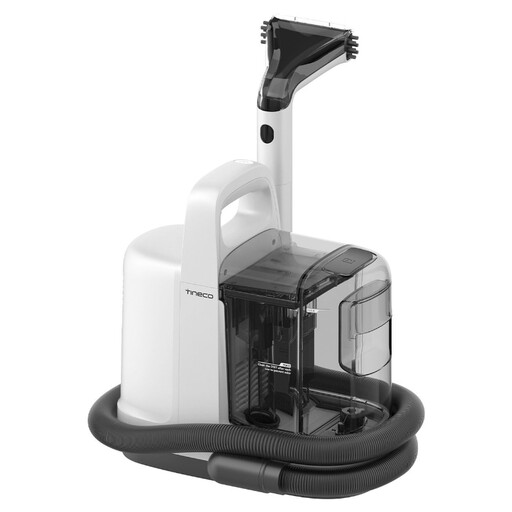
Why it suits this profile: This compact, corded spot cleaner is designed for localised dirt on carpets, furniture, mattresses and car upholstery. The two tanks and integrated sprayer make it easy to use.
The product details specifically mention a rotating brush, an upholstery attachment and a removable tank. Check the current warranty information in the listing, as the details provided aren’t entirely consistent.
400 W power, two water tanks, a rotating brush and a compact design for targeted cleaning.
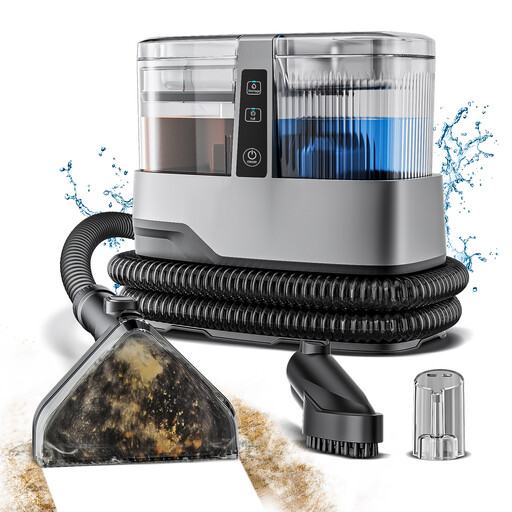
Why it suits this profile: This corded model combines a stated power rating of 600 W with suction power of 17 kPa. It’s designed for carpets, sofas, stairs and car interiors where a longer, uninterrupted cleaning session is useful.
The product description lists separate clean and dirty water tanks, a transparent suction nozzle and maintenance after each use. This helps you keep a closer eye on water flow and dirt.
600 W, stated suction power of 17 kPa, a 5-metre cable and a handy design for a range of fabric surfaces.
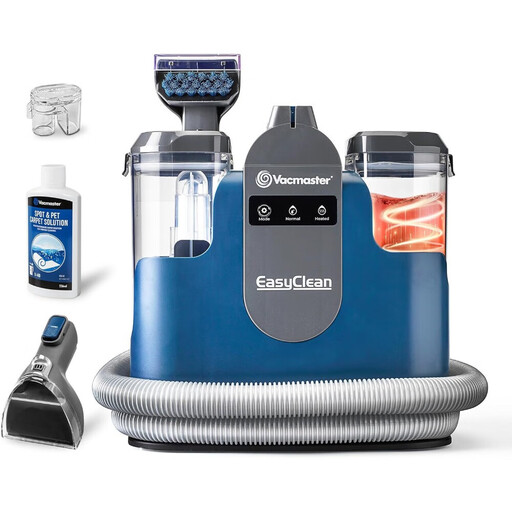
Why it suits this profile: With a 1.6-litre clean water tank, a 0.95-litre dirty water tank and a 1.8-metre hose, this model is designed for sofas, stairs, carpets and car seats.
The product information describes the two cleaning modes separately. Only use the heated mode as instructed in the manual, and check first that the fabric is suitable.
500 W, two tanks, a 1.8-metre hose and a self-cleaning attachment for the hose.
We’ve put together a complete, up-to-date list of products that meet these strict selection criteria and current European safety regulations.
Never use boiling water unless the manual specifically allows it. The OMESER C688A, for example, has a stated maximum temperature of 40 °C. Don’t suck up flammable liquids or immerse the motor unit in water.
It can be, provided the upholstery is water-resistant and the manufacturer lists the surface as suitable. Use only a little liquid, test a hidden area first and allow plenty of time for it to dry. An upholstery cleaner with a narrow suction nozzle is handy for gaps and edges.
Empty and rinse the dirty water tank after every use. Let the tanks, filters, nozzles and hose dry completely before putting the appliance away. If you use it regularly, also check for blockages, worn seals and a dirty filter.
As well as the purchase price, you’ll pay for water, cleaning solution and electricity. A corded model uses electricity while cleaning; a battery-powered version needs charging and has a limited running time per charge. The total running costs depend mainly on how much cleaning solution you use, the tank capacity and how often you use the appliance.
