
Vandaag of morgen in huis

Kwaliteit gegarandeerd

Welkomstaanbiedingen ontgrendelen: GRATIS bezorging | Tot 80% korting | Gratis 30 dagen JoyPlus-proefperiode
Download de app
A coffee stain on the rug, mud on the dog’s bed or dirt on a car seat calls for a different approach from vacuuming. A carpet cleaner sprays water and cleaning solution into the fabric, then sucks up the dirty liquid. This can be useful for carpets, sofas, mattresses and car interiors, but only if you choose the right machine.
Many buyers focus on a high wattage or a big suction-power figure. That doesn’t tell the whole story. Below, you’ll find the main pitfalls to avoid, the specifications to look for and practical product choices for UK households.
Higher power sounds appealing, but it doesn’t automatically mean a machine is easier to use. The shape of the nozzle, the hose, the water tanks and the way dirty water is collected all play a part too.
So always check:
A compact spot cleaner with a hose is handy for a sofa or car seat. For several rooms, a larger carpet washer may be more practical.
A carpet or sofa will remain damp after wet cleaning. If you spray on too much liquid or work too slowly, it will take longer before the surface can be used again. This can be particularly inconvenient in a home with children or pets.
Choose a model with separate clean- and dirty-water tanks. Don’t use more liquid than the instructions recommend, and air the room after cleaning. Test a new machine on an inconspicuous area first. Some fabrics may fade, shrink or develop watermarks.
A stain remover for clothes isn’t automatically suitable for carpets, leather or upholstery. Check what the product is intended for and read the label. Products containing fragrances, enzymes or surfactants can react differently depending on the material.
When using sprays, it’s important to:
A product with a hazard warning needs extra care. Keep it out of children’s reach and avoid contact with eyes and skin.
Suction power partly determines how much dirt and moisture is removed from the fibres. A model rated at 13 to 18 kPa may be suitable for spot cleaning, but only compare figures if manufacturers use the same testing method. In practice, performance also depends on how well the nozzle seals and how quickly you move it over the fabric.
For an upholstery cleaner, sofa cleaner or car interior cleaner, a narrow nozzle is often more important than a large tank. It lets you work more precisely around seams, steps and the edges of seats.
A dual-tank system keeps clean and dirty water separate. This stops you spreading dirty water back over the fabric. Check the capacity:
Rinse the tanks, hose and nozzles after every cleaning session. Let all parts dry completely to help prevent odours and build-up.
A cordless model gives you more freedom of movement, but running time depends on the battery. A corded model provides a constant power supply while you clean. Check the distance to the nearest socket beforehand. For cars, a long hose or an extension lead is often more important than a large tank.
A wet and dry cleaner can handle several tasks, but is usually larger. A steam cleaner uses heat and steam, and isn’t suitable for every type of fabric. Steam also doesn’t always replace extracting dirty water.
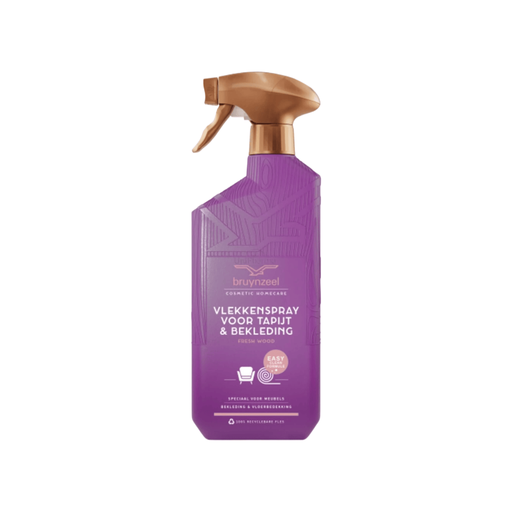
Why it suits this type of user: For households that want to treat the occasional fresh stain on a carpet, mattress, chair or clothes without having to store a machine.
You don’t need to buy a large machine for occasional stains. The product instructions say to spray, dab and wipe; just remember to test the fabric first.
500 ml capacity; according to the product description, suitable for carpets, upholstery, mattresses, chairs and clothes.
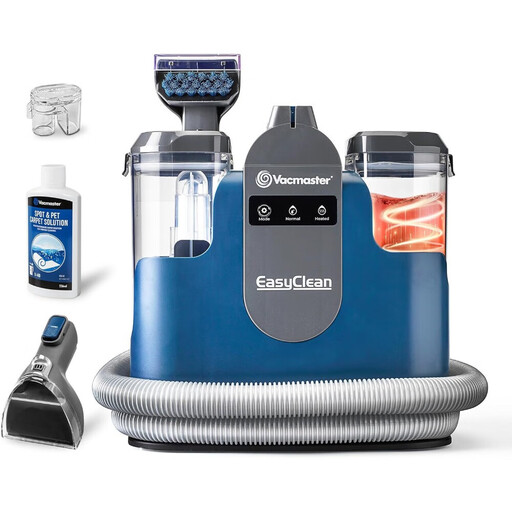
Why it suits this type of user: For anyone who regularly cleans carpets, stairs, sofas and car seats, and values a separate water-tank system.
The product listing specifies a 1.6-litre clean-water tank, a 0.95-litre dirty-water tank and a 1.8-metre hose. That makes the specifications easy to check.
500 W power; standard and heated cleaning modes; removable tanks and a self-cleaning hose attachment.
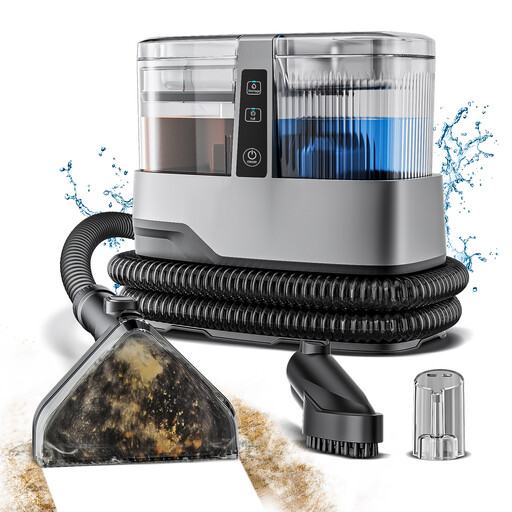
Why it suits this type of user: For pet owners and motorists looking to tackle localised dirt on sofas, rugs, car seats or pet beds.
Its handheld design is made for small and hard-to-reach areas. The dual tank keeps clean and dirty water separate.
600 W power; stated suction power of 17,000 Pa; 5-metre cable and use with warm water up to 40 °C, according to the product instructions.
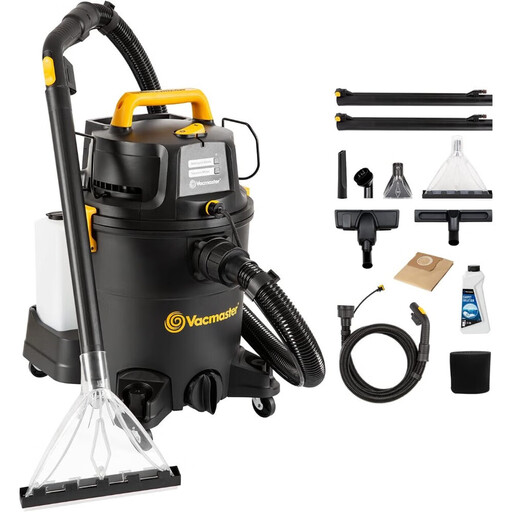
Why it suits this type of user: For larger households, workshops or anyone looking for one machine to vacuum dry, clean wet surfaces and treat carpets.
The large tanks mean fewer interruptions during bigger jobs. Do bear in mind its stated weight of 12 kg and larger dimensions.
1300 W power; 23-litre collection tank; 6-litre cleaning-solution tank; suitable for wet, dry and carpet cleaning according to the product listing.
We’ve put together a complete, up-to-date list of products that meet these strict selection criteria and comply with current European safety regulations.
Only if the fabric is suitable for wet cleaning. Check the care label and test the cleaner on a hidden area first. Use a small amount of liquid, work evenly and let the sofa dry completely before using it again.
Empty and rinse the dirty-water tank after every use. Clean the nozzle, hose and filters too, following the instructions. Let removable parts air-dry before putting the machine away. This helps prevent odours and blockages.
Running costs include electricity, water and cleaning solution. A machine with a larger tank may be more efficient for large areas, while a spray can be cheaper and simpler for a single small stain. So compare more than just the purchase price: check how much solution you’ll need for each cleaning session too.
