
Vandaag of morgen in huis

Kwaliteit gegarandeerd

Welkomstaanbiedingen ontgrendelen: GRATIS bezorging | Tot 80% korting | Gratis 30 dagen JoyPlus-proefperiode
Download de app
A knocked-over drink, muddy little hands or a pet accident: ordinary vacuum cleaners remove visible dirt, but they aren’t designed to extract moisture from fabrics. A carpet cleaner sprays water mixed with cleaning solution into the fibres, then sucks the dirty liquid back up. You can also use one on sofas, mattresses, stairs and car upholstery.
However, not every spot cleaner is suitable for regular use. Marketing often focuses on high wattage or a wide range of uses, even though other features can matter more. Watch out for these three common pitfalls.
A 1,300 or 1,700-watt motor sounds impressive, but the power it uses doesn’t directly tell you how much dirt and moisture the machine can extract from fabric. Check the stated suction power too, for example in kPa or Pa, and find out how the manufacturer measured it.
A lower-wattage machine can still work well in practice if the hose, nozzle and water flow are well matched. So treat a stated figure such as 13,500 Pa or 17,000 Pa as a technical indication, not a guarantee of a particular stain-removal result.
A hot-water cleaner or steam function can be useful on suitable colourfast fabrics. However, not every carpet, mattress or upholstery fabric can withstand high temperatures. Always test it on an inconspicuous area first and check the fabric’s care label.
For everyday use, a standard carpet and upholstery cleaner that uses lukewarm water is often a more practical choice. Only use a cleaning solution that the instruction manual says is suitable. Too much foam can affect how well the machine works and how long the fabric takes to dry.
A large tank doesn’t automatically mean you can clean for longer. Check whether the machine has two separate tanks: one for clean water and one for dirty water. This helps prevent used water from ending up back on the fabric.
Also check how easy it is to rinse the tanks, filters, hose and nozzle. Moisture and dirt left behind can cause unpleasant smells after use. A compact machine that’s easy to empty thoroughly after each session is often more convenient than a larger model that’s awkward to maintain.
The machine needs to do more than spray liquid onto the fabric: it must extract it again too. A higher stated suction power can help with deep cleaning carpets, sofas and car seats. The final drying time also depends on how much water you use, the thickness of the fabric, ventilation and the number of cleaning passes.
Move the nozzle slowly over the surface, then make a few dry passes without spraying any more liquid. Avoid soaking the fabric. A wet and dry cleaner isn’t suitable for every type of flooring or furniture, so only use it on water-resistant materials.
A portable carpet cleaner with a compact tank is enough for a small stain. Larger tanks are more practical for cleaning a large sofa, several stairs or a car interior. Many models have a clean water tank of around 1 to 1.6 litres and a separate dirty water tank.
Empty and rinse the dirty water tank after every use. Let all the parts air-dry completely before putting them back in place. This is particularly useful in households with children or pets, where the machine may be used regularly to remove pet stains.
A hose measuring 1.1 to 1.8 metres is useful for cleaning sofas, stairs and chairs. A longer power cable means you’ll need to change sockets less often. Check whether the machine comes with a narrow nozzle, upholstery brush or wide brush too.
For a mattress or sofa cleaner, a compact handle is often more important than wheels. A larger model may be more comfortable for bigger carpeted areas. Check the weight and dimensions before you buy, particularly if you’ll be storing the machine in a cupboard or under a sink.
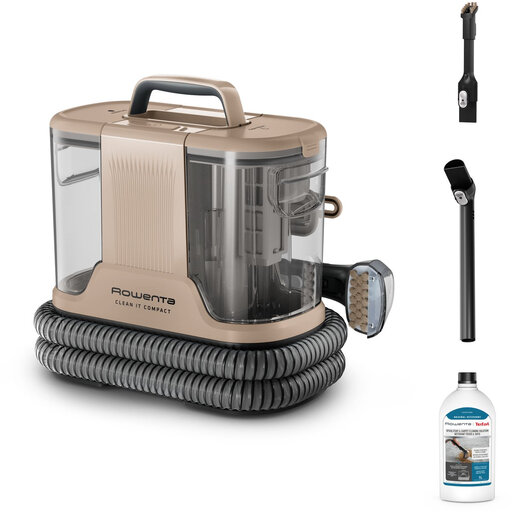
Why it suits this type of user: A compact choice for everyday stains on carpets, sofas, mattresses and car upholstery. The included brushes make it easy to get started.
The stated specifications include 400 W, suction power of up to 11.5 kPa, and two tanks with capacities of 1.5 and 0.85 litres. That means you can look beyond wattage alone.
Compact design, self-cleaning attachment, 4-metre cable and several attachments.
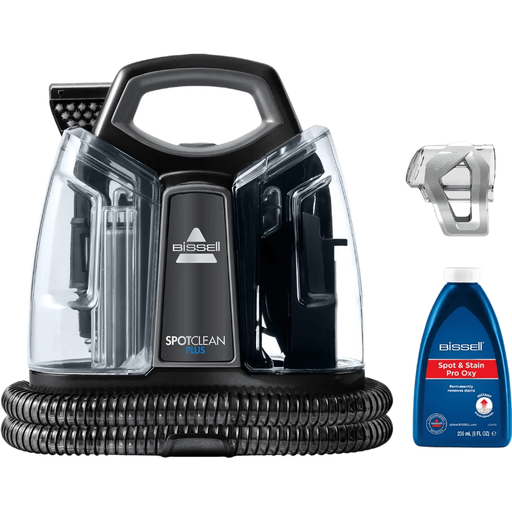
Why it suits this type of user: A good choice if you regularly clean sofas, stairs, rugs and car interiors, and value extra reach.
The two tanks keep clean and dirty water separate. The manufacturer also lists a 2.2-metre hose, so you won’t need to move the machine as often.
2.2-metre hose, 5-metre cable, two tanks with capacities of 1.1 and 0.725 litres, and a HydroRinse cleaning attachment.
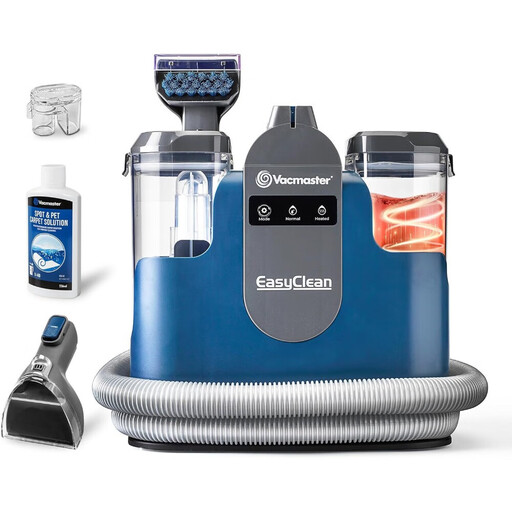
Why it suits this type of user: An option for tackling stains on carpets, sofas, stairs and car seats.
The manufacturer lists two cleaning modes and two separate water tanks. You can choose between the standard mode and the heated mode, depending on the material.
500 W, 1.6-litre clean water tank, 0.95-litre dirty water tank and a 1.8-metre hose with a self-cleaning connection.
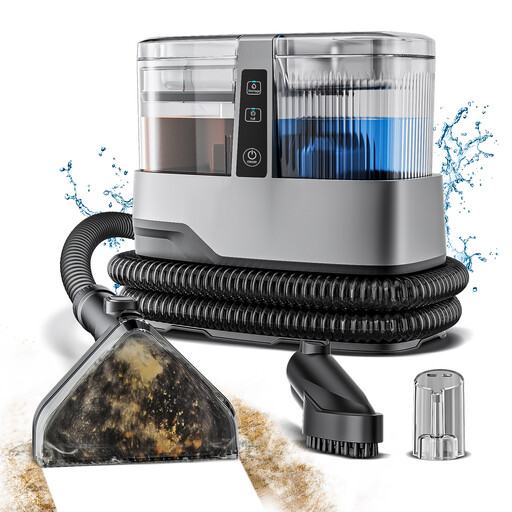
Why it suits this type of user: Useful for tackling stains on rugs, sofas, mattresses and car interiors, particularly when they crop up often.
The product information lists 600 W, suction power of 17,000 Pa, and separate clean and dirty water tanks. The 5-metre cable makes it suitable for use at home or in the car.
Handheld design, two separate tanks, wet cleaning with spray and suction, and a 5-metre cable.
We’ve put together a complete, up-to-date list of products that meet these strict selection criteria and current European safety regulations.
Don’t use a carpet cleaner on flammable liquids, unknown chemicals or materials that aren’t water-resistant. If you’re using a steam or hot-water function, pay extra attention to colourfastness and the maximum temperature stated in the instruction manual.
It depends on how you use it. If you have children or pets, you may need to clean up individual accidents as they happen. A full clean of a carpet or sofa is usually needed less often. Cleaning too frequently or using too much water can put unnecessary strain on fabrics.
Drying time varies depending on the fibres, how much water you use, ventilation and suction power. Open the windows if you can and use a fan. Wait until the carpet is completely dry before walking on it regularly again.
As well as the purchase price, you’ll pay for water, cleaning solution and electricity. The amount used per session depends on how long you clean for and the motor’s power. A machine with two separate water tanks and good maintenance can save time, as you’ll need to stop less often to empty or refill it.
